
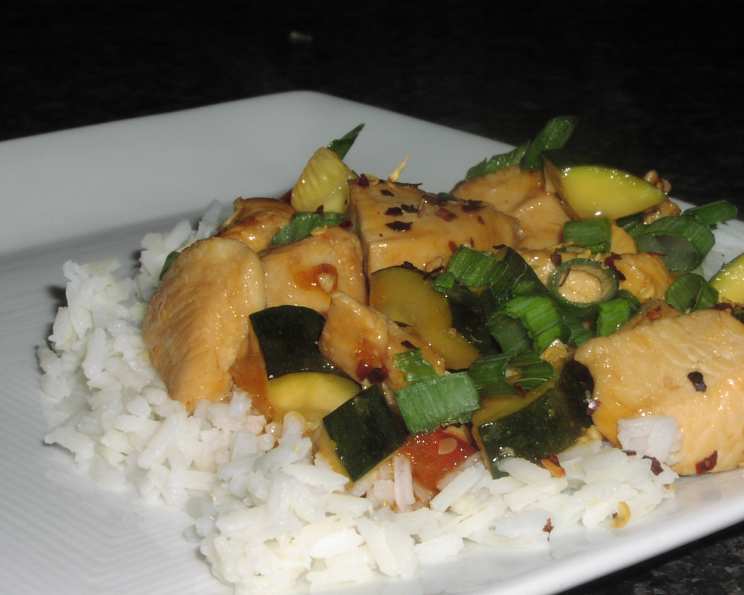
Kung Wow Chicken: A Symphony of Sweet, Savory, and Sizzle
There are some dishes that, when they land on your plate, instantly transport you back in time. For me, Kung Wow Chicken is one of those culinary time capsules. I remember my first encounter with it wasn’t in a bustling Chinatown eatery, but rather during a chaotic family gathering, where my aunt, bless her heart, had bravely tackled a more “Americanized” version of this classic. While it lacked the nuanced depth of its authentic counterpart, the vibrant flavors, the tender chicken, and that irresistible sweet-and-tangy sauce were an immediate revelation. It was a dish that promised adventure on a fork, a promise that has fueled my own culinary explorations ever since, leading me to refine and perfect this very recipe.
Recipe Overview
- Prep Time: 15 minutes (plus 1 hour marinating time)
- Cook Time: 10 minutes
- Total Time: 1 hour 25 minutes
- Servings: 4
- Yield: 4 servings
- Dietary Type: Adaptable
Ingredients
For the Chicken Marinade:
- 1 tablespoon white wine
- 1 tablespoon soy sauce
- 1 teaspoon brown sugar
- 3 medium green onions, finely chopped (white parts only)
- 1 lb boneless, skinless chicken breast, cut into 1-inch pieces
For the Kung Wow Sauce:
- 1 tablespoon white vinegar
- 2 tablespoons rice vinegar
- 1 tablespoon soy sauce, to taste
- 1 tablespoon Asian chili paste (sambal), to taste
- 1 tablespoon sesame oil
- 2 tablespoons brown sugar
- 2 teaspoons ketchup
- 2 tablespoons white wine
- 4 garlic cloves, minced
For the Vegetables and Stir-Fry:
- 1 tablespoon cornstarch
- 2 tablespoons water
- 2 tablespoons peanut oil
- 2 cups zucchini, cubed
- 1 cup red bell pepper, cubed
- 1/2 cup chicken broth
- 1/4 cup dry roasted salted peanuts
- Salt and fresh ground pepper, to taste
- 1/4 cup green onion tops, chopped
For Serving:
- 4 cups cooked white rice
Equipment Needed
- Medium bowl (for marinating chicken)
- Small bowl (for sauce)
- Small bowl (for cornstarch slurry)
- Heavy-duty, nonstick skillet or wok
- Measuring spoons and cups
- Sharp knife and cutting board
Instructions
- Begin by preparing the chicken marinade. In a medium bowl, whisk together 1 tablespoon of white wine, 1 tablespoon of soy sauce, 1 teaspoon of brown sugar, and the finely chopped white parts of the green onions.
- Add the cut chicken pieces to the marinade, ensuring each piece is thoroughly coated. Cover the bowl and refrigerate for at least 1 hour to allow the chicken to absorb the flavors. This marinating step is crucial for tenderizing the chicken and building a foundational layer of taste.
- While the chicken is marinating, prepare the Kung Wow sauce. In a separate small bowl, combine 1 tablespoon of white vinegar, 2 tablespoons of rice vinegar, 1 tablespoon of soy sauce, 1 tablespoon of Asian chili paste (sambal), 1 tablespoon of sesame oil, 2 tablespoons of brown sugar, 2 teaspoons of ketchup, 2 tablespoons of white wine, and the minced garlic cloves. Whisk all these ingredients together until well combined. Set this flavorful sauce aside.
- In another small bowl, create the cornstarch slurry by mixing 1 tablespoon of cornstarch with 2 tablespoons of cold water. Stir until smooth, ensuring there are no lumps. This slurry will be used to thicken the sauce at the end of the cooking process.
- Heat 2 tablespoons of peanut oil in a heavy-duty, nonstick skillet or wok over high heat until it shimmers. Add the marinated chicken pieces to the hot skillet. Stir-fry the chicken, tossing it frequently, until it begins to brown, which should take about 2 minutes.
- Once the chicken has started to brown, add the cubed zucchini and red bell pepper to the skillet. Continue to cook and stir for another 2 minutes, allowing the vegetables to begin softening. Pour in the 1/2 cup of chicken broth and stir to deglaze the pan, scraping up any browned bits from the bottom.
- Now, pour the prepared Kung Wow sauce mixture into the skillet with the chicken and vegetables. Stir everything together and cook until the vegetables are tender and the chicken is no longer pink in the center. This will take approximately 2 minutes.
- Give the cornstarch slurry a quick stir, then gradually stir it into the simmering sauce in the skillet. Continue to cook and stir for about 30 seconds, or until the sauce has thickened to your desired consistency. Immediately remove the skillet from the heat to prevent the sauce from becoming too thick.
- Gently toss in the dry roasted salted peanuts. Season the dish with salt and fresh ground pepper to your personal taste. Finally, stir in the chopped green onion tops just before serving.
- Serve the Kung Wow Chicken immediately over 4 cups of cooked white rice. The fluffy rice is the perfect canvas for soaking up all the delicious sauce.
Expert Tips & Tricks
For truly succulent chicken, consider patting the chicken pieces very dry before marinating. This helps the marinade adhere better and allows for a better sear in the pan. If you prefer a spicier kick, don’t be afraid to add a bit more Asian chili paste to the sauce. For an extra layer of texture and flavor, toast your peanuts lightly in a dry pan before adding them; just be careful not to burn them! When stir-frying, a very hot pan is your best friend. This ensures quick cooking, which keeps the vegetables crisp-tender and the chicken moist. Don’t overcrowd the pan; if you’re making a larger batch, cook the chicken in batches to maintain high heat.
Serving & Storage Suggestions
Kung Wow Chicken is best served piping hot, piled high over a generous portion of cooked white rice. The vibrant colors of the bell pepper and green onions make for an appealing presentation. If you find yourself with leftovers, allow the dish to cool completely before transferring it to an airtight container. It can be stored in the refrigerator for up to 3 days. To reheat, gently warm it in a skillet over medium-low heat, adding a splash of water or chicken broth if the sauce has thickened too much. Microwaving is also an option, but be sure to stir halfway through for even heating.
Nutritional Information
| Nutrient | Amount per Serving | % Daily Value |
|---|---|---|
| Calories | 636.7 kcal | |
| Calories from Fat | 189 g | |
| Total Fat | 21.1 g | 32 % |
| Saturated Fat | 3.5 g | 17 % |
| Cholesterol | 72.6 mg | 24 % |
| Sodium | 883.8 mg | 36 % |
| Total Carbohydrate | 74 g | 24 % |
| Dietary Fiber | 3.7 g | 14 % |
| Sugars | 12.9 g | 51 % |
| Protein | 35.1 g | 70 % |
Nutritional values are estimates and can vary based on specific ingredients and preparation methods.
Variations & Substitutions
While this recipe offers a delightful balance of flavors, feel free to experiment! For a gluten-free option, ensure you are using a gluten-free soy sauce or tamari. If you don’t have zucchini, broccoli florets or snap peas make excellent substitutes. For a bit of heat variation, consider using a different chili paste, such as sriracha, adjusting the quantity to your preference. Adding a handful of cashews along with the peanuts can also elevate the dish.
FAQs
Q: Can I use chicken thighs instead of chicken breast?
A: Absolutely! Chicken thighs are often more forgiving and can result in an even more tender dish. Just ensure they are cut into bite-sized pieces and adjust cooking time if necessary.
Q: My sauce is too thin, what did I do wrong?
A: The cornstarch slurry is key to thickening. Ensure you whisked it well and added it to a simmering sauce. If it’s still too thin after simmering for 30 seconds, you can make a small additional slurry (1 tsp cornstarch + 1 tbsp water) and stir it in carefully.
Q: Can I make this dish vegetarian or vegan?
A: Yes! For a vegetarian version, substitute the chicken with firm tofu or seitan and use vegetable broth instead of chicken broth. For a vegan dish, ensure your soy sauce and chili paste are vegan, and use vegetable broth.
Q: How can I make the vegetables crispier?
A: Ensure your pan is very hot before adding the vegetables. Stir-frying for too long will make them soggy. Aim for vibrant colors and a slight crispness.
Q: What’s the difference between white vinegar and rice vinegar?
A: White vinegar is typically made from distilled grain and has a sharper, more pungent flavor. Rice vinegar is milder and slightly sweeter, made from fermented rice. Using both provides a complex tanginess to the sauce.
Final Thoughts
This Kung Wow Chicken recipe is a testament to how a few simple, well-balanced ingredients can create a dish that’s both comforting and exciting. It’s the kind of meal that satisfies a craving for something familiar yet offers a delightful surprise with every bite. I encourage you to embrace the process, taste as you go, and make it your own. Serve it with a crisp green salad or some steamed dumplings, and savor the explosion of flavors. I’d love to hear about your culinary adventures with this dish – share your thoughts and any delightful twists you’ve discovered!