
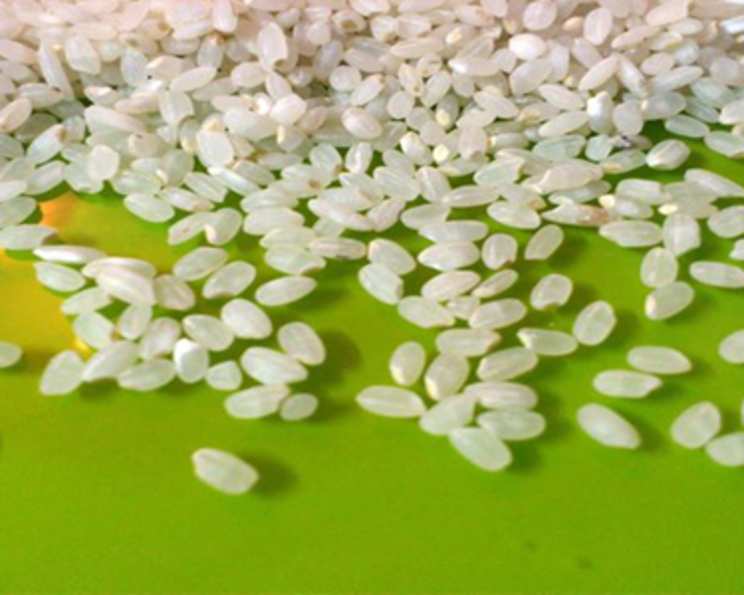
Suleimany-Style Rice: A Taste of Kurdish Comfort
The aroma of this rice, fragrant with the subtle sweetness of caramelized onions and the depth of perfectly cooked grains, always transports me back to bustling souks and the warm hospitality of my Kurdish friends. I remember a particular evening in Erbil, where a generous host, noticing my fascination with his cooking, pulled me into his kitchen. He meticulously prepared this very rice, explaining each step with a passion that ignited my own culinary curiosity. The resultant dish, served alongside tender braised lamb and a vibrant salad, was not just a meal, but a symphony of textures and flavors that spoke of tradition and deep-rooted culinary heritage. It’s a dish that embodies the heart of Kurdish cooking: simple ingredients elevated to extraordinary heights through thoughtful preparation.
Recipe Overview
- Prep Time: 15 minutes
- Cook Time: 30 minutes
- Total Time: 45 minutes
- Servings: 6
- Yield: Approximately 6 cups cooked rice
- Dietary Type: Vegan (can be made vegetarian or with meat accompaniments)
Ingredients
- 3 cups medium-grain rice
- 3 cups water
- 1 big onion
- ½ cup vegetable oil
- Salt, to taste
Equipment Needed
- Large pot or saucepan with a tight-fitting lid
- Sharp knife
- Cutting board
- Stirring spoon
Instructions
- Begin by finely chopping the big onion. The smaller you chop it, the more evenly it will fry and distribute its flavor throughout the rice.
- In a large pot or saucepan, pour in the vegetable oil. Place the pot over medium-high heat.
- Once the oil is hot, add the chopped onion to the pot. Fry the onion, stirring occasionally, until it turns a deep brown color. This caramelization is crucial for the distinctive flavor and color of this rice. Be patient, as this process can take about 10-15 minutes.
- While the onion is frying, prepare your rice. If your medium-grain rice requires soaking or washing (check the rice package instructions or the usual practice for your chosen brand), do this now. Rinse the rice under cold water until the water runs clear, or soak it as directed.
- Once the onion is beautifully browned, carefully add the 3 cups of water to the pot. Season generously with salt at this stage. Bring the water to a rolling boil.
- When the water is boiling, add the prepared rice to the pot. Stir the rice thoroughly to ensure it is evenly distributed and no grains are sticking to the bottom of the pot.
- Cover the pot with a tight-fitting lid. Maintain high heat initially.
- Continue to cook the rice, stirring it frequently from the bottom up. This is important to prevent sticking and ensure even cooking. The goal is for the rice to absorb the water. This stage should also be kept on high heat.
- Once the water has been absorbed by the rice, reduce the heat to low-medium. The exact setting will depend on your stove; you want a gentle simmer, not a vigorous boil. Cover the pot again with the lid.
- Let the rice cook undisturbed for 20 minutes.
- After 20 minutes, remove the lid and gently stir the rice. The aim here is to turn the rice over, bringing the bottom layer to the top. This ensures that any part of the rice that might have been sticking or cooking unevenly now gets a chance to cook through.
- Taste a few grains of rice to check for doneness. If it is well-cooked, it is ready. If it still feels a bit too firm or dry, cover the pot again and let it cook for an additional 5-10 minutes.
- If you find the rice is becoming too hard or appears too dry, you can add a small amount of water, about ¼ cup at a time, and cover it again for 10 more minutes.
- Once the rice is perfectly cooked to your liking, leave the rice in the pot, covered, for about 3 minutes before serving. You can turn off the stove during this resting period or keep it on very low heat.
- Adjust the salt if needed, and if you feel there is too much oil, you can try to drain some carefully. However, this rice is meant to have a good amount of oil for richness and flavor, so don’t be afraid of the oil; it will taste better with enough of it.
Expert Tips & Tricks
- The Onion is Key: Don’t rush the browning of the onions. The deeper the caramelization, the richer the flavor and the more appealing the golden-brown hue of the finished rice will be. If your onions start to burn before they brown, reduce the heat and stir more frequently.
- Rice Rinsing/Soaking: Always follow the specific instructions for your medium-grain rice. Some varieties benefit from rinsing to remove excess starch, leading to fluffier grains, while others might need a brief soak to ensure even cooking.
- Stirring Technique: When stirring the rice, be gentle to avoid breaking the grains too much, especially after the initial absorption of water. The goal is to redistribute heat and moisture, not to mash the rice.
- Heat Control: Understanding your stove is paramount. The transition from high heat to low-medium heat should be managed to create a gentle steaming environment once the water is absorbed. If your stove runs hot, you might need to go to the absolute lowest setting.
- Salt Adjustment: Salt is crucial for bringing out the flavors. Add it to the boiling water, as this allows it to dissolve and distribute evenly from the start. Taste the water before adding the rice to ensure it’s adequately seasoned.
Serving & Storage Suggestions
This Suleimany-style rice is incredibly versatile. It shines when served as a magnificent bed for tender braised meats, grilled chicken, or flavorful stews. A side of fresh salad, perhaps a simple cucumber and tomato salad with a lemon-tahini dressing, or a dollop of cooling yogurt, makes for a complete and satisfying meal. You can also serve it with a hearty broth or a cooked vegetable soup for added depth.
Leftovers can be stored in an airtight container in the refrigerator for 2-3 days. When reheating, it’s best to add a tablespoon or two of water or broth to the rice and gently warm it over low heat on the stovetop or in the microwave. This helps to restore moisture and prevent the rice from becoming dry. Freezing is also an option, though the texture might be slightly altered upon thawing.
Nutritional Information
| Nutrient | Amount per Serving (approx.) | % Daily Value (approx.) |
|---|---|---|
| Calories | 521.6 kcal | – |
| Calories from Fat | 168 kcal | – |
| Total Fat | 18.8 g | 28% |
| Saturated Fat | 2.5 g | 12% |
| Cholesterol | 0 mg | 0% |
| Sodium | 5.5 mg | 0% |
| Total Carbohydrate | 79.7 g | 26% |
| Dietary Fiber | 1.8 g | 7% |
| Sugars | 1.1 g | 4% |
| Protein | 6.7 g | 13% |
Note: Nutritional values are estimates and can vary based on specific ingredients and portion sizes.
Variations & Substitutions
While this recipe is deeply rooted in tradition, there’s always room for personal touches. For a richer flavor, you could explore using ghee or a good quality olive oil instead of vegetable oil for frying the onions. Some variations might include adding a pinch of turmeric along with the water for a brighter yellow hue, or a small amount of cardamom pods to the boiling water for an aromatic twist. If you’re not serving it with meat, consider adding cooked lentils or chickpeas during the final cooking stages for a heartier, plant-based protein boost.
FAQs
Q: Can I use basmati rice instead of medium-grain rice?
A: While basmati rice is delicious, it has a different starch content and cooking behavior. Medium-grain rice is traditional for this dish, providing the desired texture. If you do use basmati, you may need to adjust the water ratio and cooking time significantly.
Q: My rice came out sticky. What did I do wrong?
A: Stickiness can occur if the rice wasn’t rinsed properly to remove excess starch, or if it was stirred too vigorously, breaking the grains. Ensure you’re using the correct type of rice and handle it gently.
Q: How can I prevent the rice from sticking to the bottom of the pot?
A: Consistent stirring, especially in the initial stages of cooking when the water is still present, is key. Also, ensuring the heat isn’t too high after the water is absorbed will help prevent scorching and sticking.
Q: The onions burnt before they browned. What should I do?
A: This means the heat was likely too high. Next time, start with medium-high heat but be prepared to reduce it slightly as the onions begin to soften and brown. Stirring them continuously will also help prevent burning.
Q: Can I make this dish ahead of time?
A: Yes, the rice can be made ahead and reheated. For best results, add a little extra liquid when reheating to ensure it doesn’t dry out.
Final Thoughts
This Suleimany-style rice is more than just a side dish; it’s an invitation to experience a cornerstone of Kurdish cuisine. It’s a testament to how simple techniques, like the patient caramelization of onions and the careful management of heat and water, can transform humble grains into something truly spectacular. I encourage you to try this recipe, to savor the subtle complexities, and to share it with loved ones. It’s a dish that truly nourishes the soul, and I’m confident it will become a treasured addition to your culinary repertoire.