
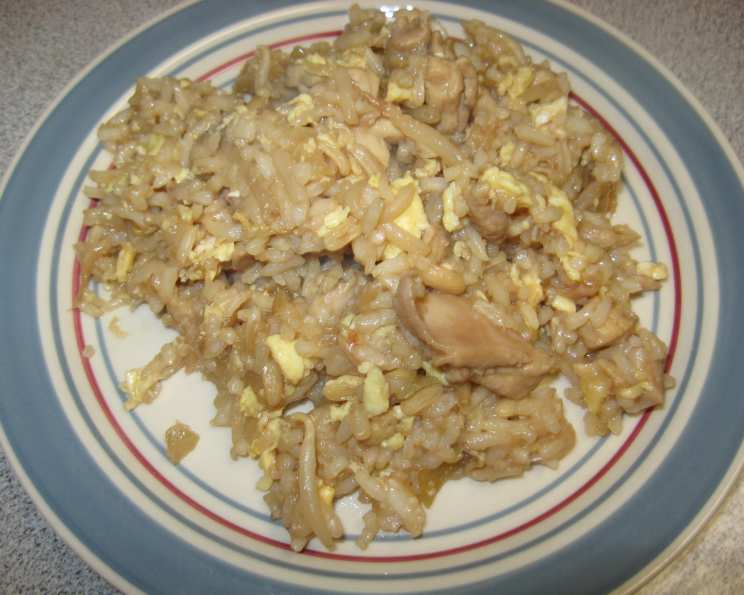
Kylie’s Chicken Fried Rice: A Symphony of Flavors and Textures
There are some dishes that, from the very first bite, transport you back to a specific moment in time, a particular feeling, or a cherished memory. Kylie’s Chicken Fried Rice is one such dish for me. I remember a brisk autumn evening, the kind where the air bites just a little and hints at the coming winter. I was assisting a friend, a fellow culinary enthusiast, in her bustling kitchen, the air thick with the tantalizing aromas of ginger, garlic, and soy. We’d opened Kylie Kwong’s “Simple Chinese Cooking,” a treasure trove of accessible yet authentic flavors, and this fried rice recipe stood out. The promise of a sauce richer than plain soy, the simplicity of the stir-fry technique, and the sheer joy of perfectly cooked rice – it all came together that night, creating a meal that was not just food, but an experience. Even the leftovers, often a humble affair, sang with renewed flavor the next day, a testament to its well-balanced composition.
Recipe Overview
- Prep Time: 30 minutes
- Cook Time: 10 minutes
- Total Time: 40 minutes
- Servings: 4
- Yield: Serves 4 generously
- Dietary Type: Adaptable (can be made gluten-free with GF soy sauce)
Ingredients
This recipe is a beautiful example of how a few quality ingredients, expertly combined, can create something truly special. The secret lies in the balance of the sauce and the thoughtful layering of flavors and textures.
For the Fried Rice:
- 1⁄3 cup vegetable oil, divided
- 4 eggs, lightly beaten
- 1 small red onion, finely diced
- 1 tablespoon gingerroot, finely diced
- 1 lb boneless chicken thighs, finely sliced (a bit more or less chicken works fine, but thighs offer great flavor and moisture)
- 2 teaspoons white sugar
- 1 tablespoon dry sherry (or shao hsing wine, a classic Chinese cooking wine)
- 4 cups steamed rice (day-old, chilled rice is ideal for fried rice as it’s drier and less likely to clump. I used 3 cups in the original test and it worked fine, so don’t stress too much about exact volume.)
- 1 cup bean sprouts
- 2⁄3 cup green onion, sliced (divided, for cooking and garnish)
- 2 tablespoons oyster sauce
- 1 tablespoon light soy sauce (use tamari for gluten-free)
- 1⁄4 teaspoon sesame oil
- 1⁄4 cup fresh cilantro, sprigs or chopped
For Garnish (Optional):
- 1⁄4 cup green onion, thinly sliced
Equipment Needed
- Large wok or a large, heavy-bottomed frying pan. A wok’s shape is ideal for stir-frying, allowing ingredients to be tossed and cooked quickly and evenly.
- Spatula (a heat-resistant rubber or silicone spatula is excellent for scrambling eggs and managing stir-fries)
- Paper towels
- Sharp knife and cutting board for ingredient preparation.
Instructions
The beauty of fried rice lies in its speed once the prep is done. It’s a testament to efficient cooking, where each step builds upon the last to create a harmonious whole.
- Prepare the Egg Omelette: Begin by heating half of the vegetable oil (approximately 2 tablespoons plus 2 teaspoons) in your hot wok over medium-high heat. You’ll know it’s ready when the surface of the oil seems to shimmer slightly. Pour the lightly beaten eggs into the wok. Let them cook undisturbed for about 10 seconds, allowing a thin omelette to form on the base. Then, using your spatula, carefully fold the egg mixture over onto itself. Continue to lightly scramble the eggs for about 1 minute, or until they are almost cooked through but still retain a little moisture.
- Drain and Set Aside: Gently remove the cooked omelette from the wok with your spatula and place it on a plate lined with paper towels to drain any excess oil. Once cooled slightly, you can cut or break the omelette into smaller, bite-sized pieces. Set this aside for later.
- Sauté Aromatics: Add the remaining vegetable oil to the now-hot wok. Once the oil is shimmering again, add the finely diced red onion and the finely diced gingerroot. Stir-fry these aromatics for about 30 seconds until they become fragrant and slightly softened. Be careful not to burn the ginger.
- Cook the Chicken: Introduce the finely sliced boneless chicken thighs to the wok. Stir-fry the chicken for about 1 minute, ensuring it’s cooking evenly and beginning to change color.
- Build the Sauce Base: Sprinkle the white sugar over the chicken and aromatics. Cook, stirring continuously, for 20 seconds. This helps to caramelize the sugar slightly and begin to form the base of your flavorful sauce.
- Deglaze and Infuse: Pour in the dry sherry (or shao hsing wine). Stir-fry for a further 20 seconds, allowing the alcohol to evaporate and its subtle flavor to infuse into the chicken.
- Combine and Stir-Fry: Now, it’s time to bring everything together. Toss in the reserved, chopped omelette along with the steamed rice, bean sprouts, and two-thirds of the sliced green onion. In a separate small bowl, whisk together the oyster sauce, light soy sauce, and sesame oil to create your sauce. Add this sauce mixture to the wok.
- Final Stir-Fry: Stir-fry everything vigorously for about 2 minutes. Use your spatula to break up the egg into smaller pieces and to ensure the rice is well combined with the other ingredients and heated through. This is where all the flavors meld beautifully.
- Finish with Freshness: Remove the wok from the heat. Toss the fried rice with the fresh cilantro. The residual heat will gently wilt the cilantro, releasing its bright, herbaceous aroma.
- Serve: Transfer the chicken fried rice to a serving bowl. Garnish with the remaining thinly sliced green onion (if using the optional garnish) and serve immediately.
Expert Tips & Tricks
- Rice is King: The key to great fried rice is using day-old, chilled rice. Freshly cooked rice is too moist and will result in a clumpy, mushy texture. If you don’t have leftovers, cook your rice a day in advance, spread it on a baking sheet to cool completely, then refrigerate it.
- High Heat, Quick Cooking: Fried rice is a stir-fry, which means high heat and constant movement are crucial. Don’t overcrowd your wok; cook in batches if necessary to ensure ingredients stir-fry rather than steam.
- Mise en Place: This recipe moves quickly once you start cooking. Ensure all your ingredients are prepped and measured before you even turn on the stove. This is what chefs call “mise en place” – everything in its place.
- Don’t Fear the Wok: If you don’t have a wok, a large, heavy-bottomed frying pan or skillet will work. The key is to get it nice and hot.
- Oyster Sauce Power: Oyster sauce is a fundamental ingredient in many Chinese stir-fries, providing a savory, umami depth. If you’re vegetarian or vegan, look for vegetarian oyster sauce.
Serving & Storage Suggestions
This Chicken Fried Rice is a meal in itself, offering a delightful balance of protein, carbohydrates, and fresh vegetables. Serve it piping hot, straight from the wok, for the best texture and flavor. A sprinkle of toasted sesame seeds can add an extra layer of nutty aroma if you wish.
Storage:
Leftovers can be stored in an airtight container in the refrigerator for 2 to 3 days.
Reheating:
For best results, reheat in a wok or skillet over medium-high heat, stirring frequently, until heated through. You can also reheat it in the microwave, but be sure to stir halfway through to ensure even heating.
Nutritional Information
Here’s an approximate nutritional breakdown for Kylie’s Chicken Fried Rice, keeping in mind that actual values can vary based on specific ingredient brands and precise measurements.
| Nutrient | Amount per Serving | % Daily Value |
|---|---|---|
| Calories | 723.4 kcal | (N/A) |
| Calories from Fat | 369 kcal | (N/A) |
| Total Fat | 41.1 g | 63% |
| Saturated Fat | 8.9 g | 44% |
| Cholesterol | 281.3 mg | 93% |
| Sodium | 662.4 mg | 27% |
| Total Carbohydrate | 53.9 g | 17% |
| Dietary Fiber | 2.1 g | 8% |
| Sugars | 5.1 g | 20% |
| Protein | 32.2 g | 64% |
Note: Daily Values are based on a 2,000 calorie diet. Your daily values may be higher or lower depending on your calorie needs.
Variations & Substitutions
This recipe is wonderfully adaptable. While the chicken is classic, feel free to experiment:
- Shrimp Fried Rice: As my initial inspiration mentioned, shrimp is a fantastic substitute for chicken. Add them towards the end of the chicken cooking stage, as they cook much faster.
- Vegetarian Fried Rice: Omit the chicken and increase the vegetables. Consider adding firm tofu, cubed and pan-fried until golden, or a medley of colorful vegetables like broccoli florets, bell peppers, peas, and corn. Use a vegetarian oyster sauce or a mushroom-based sauce for the umami depth.
- Gluten-Free: Ensure you use tamari instead of light soy sauce and check that your oyster sauce is also gluten-free.
- Spice It Up: For those who enjoy a little heat, add a finely chopped red chili or a pinch of chili flakes along with the ginger and onion.
FAQs
Q: Can I use freshly cooked rice instead of day-old rice?
A: While it’s not ideal, you can. Spread freshly cooked rice on a baking sheet and let it cool completely to dry out before using it. This helps prevent a gummy texture.
Q: What kind of wok should I use?
A: A carbon steel wok is traditional and offers excellent heat distribution. However, a good quality non-stick or stainless steel wok will also work well.
Q: My fried rice turned out a bit greasy. What went wrong?
A: This can happen if the pan wasn’t hot enough, causing the ingredients to steam rather than fry, or if too much oil was used without proper draining. Ensure your wok is very hot and only use the amount of oil specified.
Q: Can I add other vegetables to this recipe?
A: Absolutely! Peas, carrots (diced finely), corn, bell peppers, and mushrooms are all excellent additions. Add them with the chicken or a bit before, depending on their cooking time.
Q: How do I know if the chicken is cooked through?
A: The chicken pieces should no longer be pink in the center. Finely slicing them ensures they cook quickly and evenly.
Final Thoughts
Kylie’s Chicken Fried Rice is more than just a recipe; it’s an invitation to embrace the simplicity and satisfaction of home-cooked Asian cuisine. It’s the kind of dish that proves you don’t need a long list of obscure ingredients or hours in the kitchen to create something truly delicious and memorable. The vibrant colors, the enticing aromas, and the perfect balance of savory, sweet, and fresh flavors are sure to delight your taste buds. So, gather your ingredients, fire up your wok, and embark on this culinary adventure. I’d love to hear about your experience and any personal touches you add to this already fantastic recipe. Enjoy every single, delicious bite!