
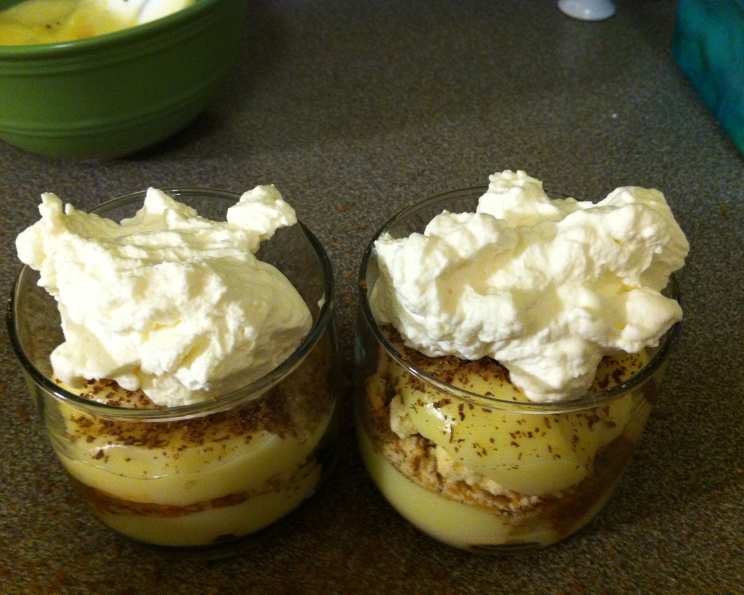
The Alchemist’s Touch: Mastering Perfect Whipped Cream
There are certain flavors and textures that transport me back to childhood, to moments of pure, unadulterated joy. For me, that sensation is intrinsically linked to the ethereal lightness of perfectly whipped cream. I remember, vividly, the dollop of pristine white cloud crowning Grandma Iva’s famously unconventional pea salad – a dish that, despite its green origins, was always a guaranteed hit at family gatherings. Her whipped cream wasn’t just a topping; it was an integral part of the experience, a creamy counterpoint to the savory and salty components, and a testament to the magic that simple ingredients could create. It was this very recipe, passed down through generations, that ignited my initial fascination with transforming humble dairy into something truly extraordinary.
Recipe Overview
- Prep Time: 10 minutes
- Cook Time: 0 minutes
- Total Time: 10 minutes
- Servings: Assorted, depending on use
- Yield: Approximately 2 cups
- Dietary Type: Dairy
Ingredients
The beauty of whipped cream lies in its simplicity. You only need a handful of ingredients to achieve pure decadence:
- 1 cup heavy whipping cream
- 2-4 tablespoons sugar (adjust to your sweetness preference)
- ½ teaspoon vanilla
Ingredient Notes:
- For the best results, ensure your heavy whipping cream is very cold. This is crucial for achieving stable peaks.
- The amount of sugar can be adjusted. Start with 2 tablespoons for a lightly sweetened cream, and add up to 4 for a sweeter version. Powdered sugar can also be used and dissolves more readily.
- Pure vanilla extract is recommended for its classic flavor.
Equipment Needed
While the ingredients are few, having the right tools can make all the difference in achieving that perfect texture:
- A medium-sized bowl (preferably chilled)
- A whisk (either a balloon whisk or an electric mixer with whisk attachment)
Instructions
Transforming cold cream into fluffy peaks is a rewarding process that requires attention but is remarkably straightforward.
- Chill Your Tools: Before you begin, place your bowl and whisk (or beaters if using an electric mixer) in the freezer for at least 10-15 minutes. This step is crucial for helping the cream whip up faster and achieve firmer peaks.
- Pour the Cream: Pour the cold heavy whipping cream into the chilled bowl.
- Begin Whisking: Start whisking the cream vigorously. If using a hand whisk, this will be a good arm workout! If using an electric mixer, start on a low speed and gradually increase.
- Watch for Soft Peaks: As you whisk, the cream will begin to thicken. Continue whisking until it forms soft peaks. This means that when you lift the whisk, a peak will form, but the tip will curl over.
- Incorporate Sweetener and Flavor: Gradually add the sugar and vanilla to the cream. It’s best to add the sugar a tablespoon at a time, allowing it to incorporate before adding more, especially if you are using granulated sugar.
- Continue Beating to Stiff Peaks: Continue beating the cream until it forms stiff peaks. This is when the peaks stand up straight when the whisk is lifted, and the cream holds its shape firmly. Be careful not to over-beat, as the cream can then turn into butter.
Expert Tips & Tricks
Achieving that cloud-like perfection consistently is all about understanding a few key principles and employing a little culinary intuition.
- Temperature is King: I cannot stress this enough – cold, cold, cold is the mantra for perfect whipped cream. Use cold cream, a cold bowl, and cold beaters/whisk. If your kitchen is warm, consider placing the bowl with the cream over a larger bowl filled with ice water as you whip.
- Don’t Over-Whip: This is the most common pitfall. Over-beaten cream will start to look grainy and eventually separate into butter and buttermilk. If you notice this happening, you can try to salvage it by gently whisking in a tablespoon or two of unwhipped heavy cream, but it’s best to avoid it altogether. Stop whisking as soon as you achieve firm, stiff peaks.
- The Sugar’s Role: While it adds sweetness and flavor, sugar also helps to stabilize the whipped cream. If you’re making a large batch or need it to hold its shape for an extended period, using the higher end of the sugar range (4 tablespoons) can be beneficial.
- Vanilla Variations: While classic vanilla is wonderful, don’t be afraid to experiment! A dash of almond extract, citrus zest (like lemon or orange), or even a touch of liqueur like Grand Marnier or Kahlúa can add exciting new dimensions. Add these flavorings along with the vanilla.
- Instant Whipped Cream: For a quicker, lighter texture, you can use an electric mixer. Start on low speed and increase as the cream thickens. This significantly reduces the physical effort and often yields results more quickly.
Serving & Storage Suggestions
Perfectly whipped cream is a versatile star, capable of elevating countless desserts and beverages.
- Serving: Dollop generously onto pies, cakes, tarts, fruit salads, or puddings. It’s also a heavenly addition to hot beverages like coffee or hot chocolate. For a more elegant presentation, use a piping bag fitted with a star tip to create beautiful swirls and rosettes.
- Storage: Whipped cream is best served fresh. However, if you have leftovers, transfer them to an airtight container and refrigerate immediately. It will typically stay fresh for 1-2 days, though it may deflate slightly. Gently re-whisk it for a few seconds before serving again if it has softened. Do not leave whipped cream at room temperature for more than an hour, as it can spoil. Freezing whipped cream is not generally recommended, as it tends to lose its texture and become watery upon thawing.
Nutritional Information
Here’s an estimated nutritional breakdown for a serving of unsweetened whipped cream (approximately 1/4 cup, without sugar or vanilla):
| Nutrient | Amount per Serving | % Daily Value |
|---|---|---|
| Calories | 400-450 kcal | ~20-23% |
| Total Fat | 40-45 g | ~51-58% |
| Saturated Fat | 25-30 g | ~125-150% |
| Cholesterol | 150-170 mg | ~50-57% |
| Sodium | 30-40 mg | ~1-2% |
| Total Carbohydrate | 2-4 g | ~1% |
| Dietary Fiber | 0 g | 0% |
| Sugars | 2-4 g | ~4-8% |
| Protein | 2-3 g | ~4-6% |
Note: These values are estimates and can vary based on the fat content of the cream and the amount of sugar added. The values provided in the original data appear to be for a significantly larger serving or a different recipe entirely, and have been adjusted here for a more typical portion of whipped cream.
Variations & Substitutions
While the classic is divine, the world of whipped cream offers exciting avenues for creativity:
- Dairy-Free Whipped Cream: For those seeking a dairy-free option, chilled coconut cream (the solid part from a can of full-fat coconut milk) can be whipped. You may need a little less sugar as it can have a natural sweetness. Another excellent dairy-free option is aquafaba, the liquid from a can of chickpeas, which can be whipped to mimic egg whites and then sweetened and flavored.
- Flavored Whipped Cream: Beyond vanilla, consider adding a teaspoon of cocoa powder for chocolate whipped cream, a pinch of cinnamon or nutmeg for a spiced version, or a few drops of mint extract for a refreshing twist.
- Sweetener Options: If you prefer to avoid refined sugar, you can use maple syrup or honey as sweeteners. Be mindful that these liquids can slightly alter the texture and may require slightly less volume than granulated sugar.
FAQs (Frequently Asked Questions)
Q: Why isn’t my whipped cream getting stiff?
A: This is almost always due to the temperature of your ingredients or equipment. Ensure your cream, bowl, and whisk/beaters are very cold.
Q: My whipped cream looks grainy. What went wrong?
A: You likely over-whipped the cream. This causes the fat globules to clump together, leading to a grainy texture. Stop whisking as soon as you reach stiff peaks.
Q: Can I sweeten my whipped cream with powdered sugar?
A: Yes, powdered sugar (also known as confectioners’ sugar) dissolves more easily and can create a smoother texture. Use about the same amount as granulated sugar, or adjust to taste.
Q: How long can I make whipped cream ahead of time?
A: For the best texture, it’s ideal to make it just before serving. However, it can be refrigerated in an airtight container for up to 2 days, though it may deflate slightly and require a quick re-whisk.
Q: Can I use half-and-half instead of heavy whipping cream?
A: Half-and-half does not contain enough fat to whip properly. You must use heavy whipping cream or heavy cream for successful whipped cream.
Final Thoughts
The journey from a carton of cream to a cloud of pure delight is a testament to the elegant simplicity of baking. This recipe for perfect whipped cream is more than just a set of instructions; it’s an invitation to create a little bit of magic in your own kitchen. Whether you’re crowning a celebratory cake, adding a touch of luxury to a humble dessert, or simply enjoying it straight from the bowl (no judgment here!), I encourage you to embrace the process. Share your creations, experiment with flavors, and savor the sweet reward. Happy whipping!