
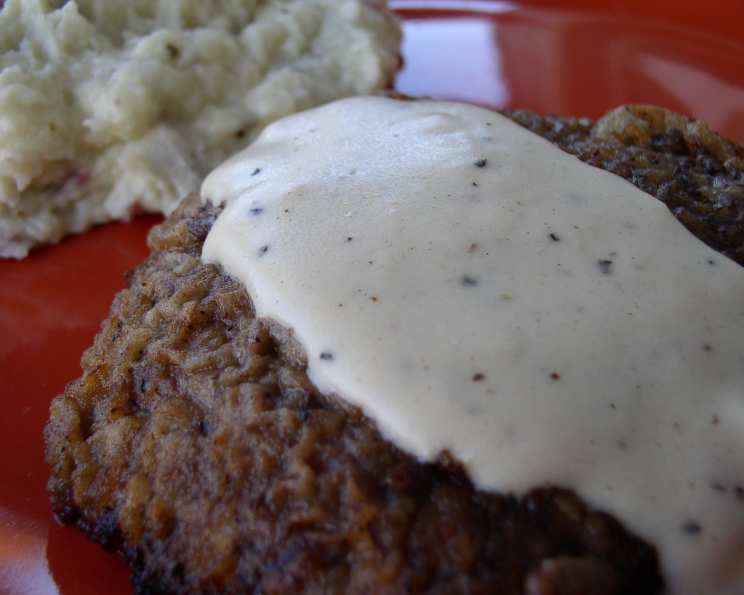
Quick Chicken-Fried Steak With Pan Gravy: A Comfort Food Classic
Growing up, the scent of pan-frying meat and simmering gravy was a siren song that could draw me from any activity. It wasn’t just about the delicious aroma; it was the promise of a hearty, soul-warming meal that was both simple and incredibly satisfying. My grandmother, a magician in her tiny kitchen, would whip up variations of this dish, sometimes with tender beef, other times with the slightly gamier, yet equally beloved, venison steak. Each bite was a taste of home, a testament to the power of humble ingredients transformed into something truly special.
Recipe Overview
- Prep Time: 15 minutes
- Cook Time: 25 minutes
- Total Time: 40 minutes
- Servings: 4
- Yield: 4 servings
- Dietary Type: Contains Dairy, Gluten
Ingredients
This recipe calls for a few pantry staples and some quality steak to create that irresistible crispy exterior and tender interior, all bathed in a luscious pan gravy.
For the Chicken-Fried Steak:
- 4 (6 ounce) beef steaks, cubed (chuck or round steak are excellent choices for their tenderness when pounded and fried)
- 1/2 cup all-purpose flour (for dredging)
- 1 teaspoon salt, plus more to taste
- 1 teaspoon black pepper, plus more to taste
- 1 teaspoon paprika, plus more to taste
- 1 cup milk, divided
- 1 cup vegetable oil, for frying (or enough to reach about 1/4 inch depth in your skillet)
For the Pan Gravy:
- 4 tablespoons all-purpose flour
- 3 cups milk, divided (you will have used 1 cup for the steak, so this is an additional 3 cups)
- Salt and pepper to taste
Equipment Needed
To bring this classic dish to life, you’ll want to have these essential tools on hand:
- A large, heavy-bottomed skillet (cast iron is ideal for even heating)
- A shallow bowl or plate for dredging the steak
- A whisk
- A plate or baking sheet to hold the fried steaks
- A meat mallet or heavy rolling pin (optional, for tenderizing the steak)
- Tongs
Instructions
Crafting this comforting meal is a straightforward process, with each step contributing to the final symphony of flavors and textures.
- Prepare the Steak: If your beef steaks are particularly thick, you can gently pound them to about 1/2 inch thickness using a meat mallet or the flat side of a heavy rolling pin. This ensures even cooking and a more tender result. Cut the steaks into approximately 2-inch cubes.
- Create the Dredging Station: On a plate or shallow bowl, combine the 1/2 cup of all-purpose flour with 1 teaspoon of salt, 1 teaspoon of black pepper, and 1 teaspoon of paprika. Stir this mixture with a fork until it is thoroughly blended.
- Prepare the Milk Bath: In a separate shallow bowl, pour 1/2 cup of milk.
- Dredge the Steak: Dip each beef steak cube into the milk, allowing any excess to drip off. Immediately transfer the wet steak to the flour mixture, coating it generously on all sides. Press the flour mixture onto the steak to ensure a good, even crust. Place the coated steaks on a clean plate or baking sheet.
- Heat the Skillet: Place your skillet over medium-high heat. Add the 1 cup of vegetable oil. Heat the oil until it reaches 375°F (190°C). You can test this by dropping a tiny bit of the flour mixture into the oil; it should sizzle immediately.
- Fry the Steak: Carefully add the floured steak cubes to the hot oil in a single layer, ensuring not to overcrowd the pan. You may need to do this in batches. Cook until seared and well-crusted on one side, approximately 2 minutes.
- Flip and Finish: Using tongs, carefully turn the steaks over. Cook for an additional 2 minutes for medium doneness.
- Keep Warm: Transfer the fried steaks to a plate lined with paper towels to drain any excess oil. You can cover them loosely with foil to keep them warm while you prepare the gravy.
Prepare the Pan Gravy:
- Drain Excess Oil: Carefully pour off all but 4 tablespoons of the cooking oil from the skillet. If there are any browned bits stuck to the bottom, that’s good – that’s where the flavor is!
- Return to Heat: Return the skillet to medium heat.
- Make the Roux: Whisk in the remaining 4 tablespoons of all-purpose flour into the hot oil remaining in the pan. Cook, whisking constantly, for 1 minute to cook out the raw flour taste. This mixture is called a roux.
- Add Milk and Thicken: Gradually whisk in the additional 3 cups of milk, a little at a time, ensuring there are no lumps. Continue to cook and whisk until the gravy thickens, approximately 3 minutes.
- Adjust Consistency: If the gravy becomes too thick, you can add more milk, a tablespoon at a time, until it reaches your desired consistency.
- Season the Gravy: Season the gravy with salt, pepper, and paprika to taste.
Serve:
- Spoon generous portions of the hot pan gravy over the chicken-fried steak.
- Serve immediately with mashed potatoes for the ultimate comfort food experience.
Expert Tips & Tricks
- Achieving the Perfect Crust: For an extra crispy crust, you can double-dip the steak. After the initial flour coating, dip it back into the milk, then into the flour mixture again.
- Don’t Overcrowd the Pan: Frying in batches is crucial. Overcrowding the skillet will lower the oil temperature, resulting in soggy, greasy steak instead of a beautifully crisp crust.
- Temperature Control: Maintaining the oil at 375°F (190°C) is key. If the oil is too cool, the steak will absorb too much grease. If it’s too hot, the crust will burn before the steak is cooked through.
- Flavorful Roux: Don’t rush the roux-making process. Cooking the flour for a minute with the oil helps develop a nutty flavor and ensures a smooth gravy.
- Seasoning is Key: Taste and adjust your seasonings for both the steak coating and the gravy. Don’t be afraid to add a little extra paprika for a touch of smokiness and color.
Serving & Storage Suggestions
This dish is best enjoyed piping hot, straight from the skillet, for that unparalleled crispy texture. It’s a quintessential comfort food that pairs beautifully with creamy mashed potatoes, buttermilk biscuits, or a simple green salad to cut through the richness.
Leftovers can be stored in an airtight container in the refrigerator for up to 2 days. Reheat gently in a skillet over medium-low heat with a splash of milk or water to refresh the gravy and a little oil to re-crisp the steak. Be aware that the crust may not be as crisp after refrigeration.
Nutritional Information
| Nutrient | Amount per Serving | % Daily Value |
|---|---|---|
| Calories | 687.3 kcal | 34% |
| Total Fat | 61.5 g | 94% |
| Saturated Fat | 11.3 g | 56% |
| Cholesterol | 25.6 mg | 8% |
| Sodium | 672 mg | 28% |
| Total Carbohydrate | 27.1 g | 9% |
| Dietary Fiber | 1 g | 3% |
| Sugars | 0.1 g | 0% |
| Protein | 8.6 g | 17% |
Note: Nutritional values are approximate and can vary based on specific ingredients and portion sizes.
Variations & Substitutions
While this recipe is a classic for a reason, there’s always room for a little culinary creativity!
- Gluten-Free Option: For a gluten-free version, substitute the all-purpose flour with a gluten-free all-purpose flour blend for both the dredging and the gravy. Ensure your blend contains a binder like xanthan gum.
- Spicy Kick: Add a pinch of cayenne pepper to the flour mixture for a touch of heat.
- Herbal Notes: Incorporate freshly chopped parsley or chives into the gravy just before serving for added freshness and color.
- Different Cuts: While chuck or round steak is ideal, you can experiment with other cuts of beef that are suitable for cubing and frying.
FAQs (Frequently Asked Questions)
Q: What kind of beef steaks are best for chicken-fried steak?
A: Cuts like chuck steak or round steak work wonderfully because they become tender when pounded and fried. Their marbling also contributes to a flavorful final dish.
Q: How can I ensure my chicken-fried steak is crispy and not soggy?
A: The key is to ensure your oil is at the correct temperature (375°F/190°C) and to avoid overcrowding the pan. Fry in batches to maintain the oil’s heat and achieve a truly crisp crust.
Q: What can I do if my gravy is lumpy?
A: If your gravy has lumps, you can try passing it through a fine-mesh sieve. To prevent lumps in the future, always whisk the milk in gradually, a little at a time, especially when starting.
Q: Can I use a different type of oil for frying?
A: Yes, you can use other high-smoke-point oils like canola oil or peanut oil. Vegetable oil is a common and effective choice.
Q: How long does the leftover gravy last?
A: Homemade gravy can be stored in an airtight container in the refrigerator for 3 to 4 days.
Final Thoughts
This Quick Chicken-Fried Steak with Pan Gravy is more than just a recipe; it’s a culinary hug, a nod to tradition, and a testament to how simple ingredients can create extraordinary comfort. It’s the kind of dish that brings people to the table, sparking conversation and creating lasting memories. I encourage you to gather your ingredients, embrace the sizzle, and let the aroma of this classic fill your kitchen. Serve it proudly, perhaps with a crisp, cold beverage that complements its hearty nature, and savor every delicious bite. Happy cooking!