
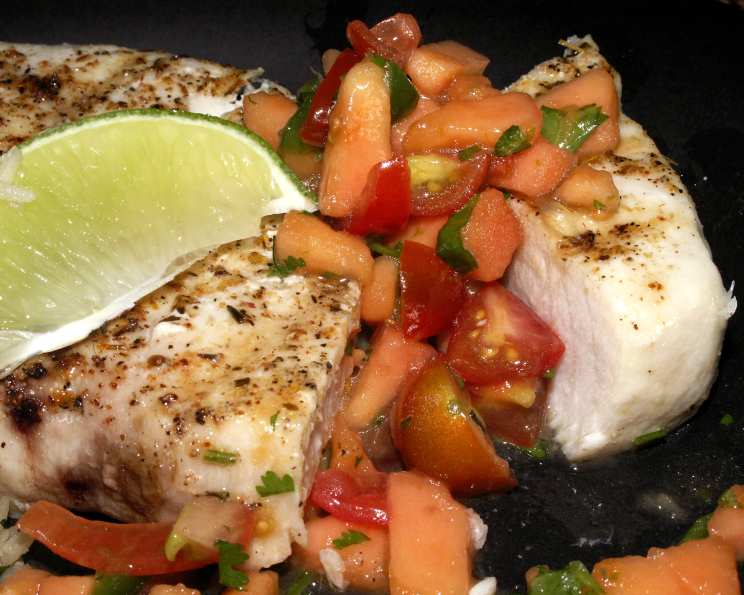
Quick Grilled Swordfish With Papaya Salsa
There are certain dishes that, with a single bite, transport you to a sun-drenched locale, the gentle breeze carrying the scent of salt and tropical fruit. This grilled swordfish with papaya salsa is one of those culinary postcards for me. I remember a trip to the coast of Mexico years ago, where I stumbled upon a humble beachfront palapa serving this exact combination. The smoky char of the perfectly cooked swordfish, coupled with the vibrant, sweet-and-tangy salsa, was an revelation in its simplicity and sheer deliciousness. It’s a flavor memory I’ve cherished and recreated countless times, especially when I crave a taste of paradise on a weeknight.
Recipe Overview
- Prep Time: 10 minutes
- Cook Time: 8-10 minutes
- Total Time: 20 minutes
- Servings: 4
- Yield: 4 servings
- Dietary Type: Gluten-Free, Dairy-Free
Ingredients
For the Swordfish:
- 4 swordfish steaks, about 6 ounces each
- 1 tablespoon olive oil
- 1/4 teaspoon salt
- 1 tablespoon fish seasoning (if you don’t have a pre-mixed fish seasoning, mix 1/2 teaspoon paprika, 1/4 teaspoon cayenne pepper, 1/4 teaspoon sugar, and 1/4 teaspoon black pepper)
For the Papaya Salsa:
- 2 cups fresh papayas, small dice
- 1/2 cup grape tomatoes, small dice
- 2 tablespoons fresh cilantro, chopped
- 2 tablespoons lime juice
- Zest of 1 lime
- 2 tablespoons jalapeno peppers, minced
- 1/2 cup cucumber, small dice (optional)
- 1/4 cup red onion, small dice (optional)
Equipment Needed
- Grill (gas or charcoal)
- Small bowl (for mixing salsa)
- Whisk or fork (for mixing salsa)
- Spatula or tongs (for handling fish on the grill)
- Cutting board
- Sharp knife
Instructions
-
Preheat the Grill: Begin by preheating your grill. For a gas grill, this usually takes about 10 minutes on medium-high heat. If you’re using a charcoal grill, arrange your coals and let them ash over, also ensuring it reaches medium-high heat.
-
Prepare the Fish: While the grill is coming up to temperature, focus on the swordfish steaks. Pat them dry with paper towels – this helps achieve a better sear. In a small bowl, whisk together the olive oil, salt, and your fish seasoning. Brush this mixture evenly over both sides of the swordfish steaks.
-
Make the Papaya Salsa: Now, for the vibrant papaya salsa. In a separate small bowl, combine the diced fresh papayas, diced grape tomatoes, chopped fresh cilantro, lime juice, lime zest, and minced jalapeno peppers. If you like, you can also add the optional diced cucumber and diced red onion at this stage. Gently stir everything together, taking care not to mash the fruit and vegetables. The goal is for all the components to be in small, uniform pieces. Set the salsa aside at room temperature to allow the flavors to meld while the fish grills.
-
Prepare the Grill for Fish: Once the grill is preheated, it’s time to prepare the grates for the swordfish. To prevent sticking, which is crucial for delicate fish, you can use a grill-safe non-stick spray or lightly oil the grates with a paper towel dipped in oil (using tongs for safety).
-
Grill the Swordfish: Carefully place the seasoned swordfish steaks onto the hot grill grates. Grill for 4-5 minutes per side. The exact time will depend on the thickness of your steaks and the heat of your grill.
-
Check for Doneness: Cooking swordfish to perfection is an art, and the key is not to overcook it, as this will result in a dry texture. Unlike many other fish, swordfish shouldn’t “flake apart” when it’s perfectly cooked. Instead, when you try to gently separate a piece with a fork, there should still be a slight resistance. You want the fish to be opaque and firm, with just a hint of translucency in the very center for maximum moisture.
-
Serve: Once the swordfish is cooked to your liking, remove it from the grill. Serve immediately with a generous spoonful of the prepared papaya salsa spooned over the top. A wedge of lime on the side is the perfect finishing touch, allowing each diner to add an extra burst of citrus if they wish.
Expert Tips & Tricks
- Uniform Dicing is Key: For the salsa, take your time to ensure all the ingredients are diced into similarly small, uniform pieces. This not only makes for a visually appealing salsa but also ensures a balanced distribution of flavors in every bite.
- Spice Level Adjustment: The heat of the jalapeño can vary greatly. If you’re sensitive to spice, consider removing the seeds and membranes from the jalapeño before mincing, or start with half the amount and add more to taste.
- Grill Marks Matter (Aesthetically): For those beautiful grill marks, resist the urge to move the fish too soon after placing it on the grates. Let it sear for a solid minute or two before attempting to turn it.
- Prepping Ahead: The papaya salsa can be made a few hours in advance. However, it’s best to add the lime juice and zest just before serving to keep the ingredients fresh and vibrant. If making ahead, keep the salsa chilled and let it come to room temperature for about 15 minutes before serving.
Serving & Storage Suggestions
This Grilled Swordfish with Papaya Salsa is best enjoyed immediately after grilling, allowing the warmth of the fish to contrast beautifully with the cool, refreshing salsa. It pairs wonderfully with a simple side of coconut rice, grilled asparagus, or a light, leafy green salad.
If you happen to have leftovers, store the swordfish and the papaya salsa separately in airtight containers in the refrigerator. The swordfish will keep for up to 2 days, though it’s best consumed within the first day for optimal texture. The papaya salsa will also keep for 2-3 days, though the papayas may soften slightly over time.
To reheat the swordfish, a gentle warming in a low oven (around 275°F or 135°C) or a quick sear in a non-stick skillet over low heat is recommended to avoid drying it out. The papaya salsa is best served chilled or at room temperature.
Nutritional Information
| Nutrient | Amount per Serving | % Daily Value |
|---|---|---|
| Calories | 228.4 kcal | N/A |
| Calories from Fat | N/A | 35% |
| Total Fat | 9 g | 13% |
| Saturated Fat | 2 g | 10% |
| Cholesterol | 53 mg | 17% |
| Sodium | 272 mg | 11% |
| Total Carbohydrate | 8.6 g | 2% |
| Dietary Fiber | 1.6 g | 6% |
| Sugars | 4.4 g | 17% |
| Protein | 27.6 g | 55% |
Nutritional values are estimates and can vary based on specific ingredients and quantities used.
Variations & Substitutions
- Tropical Twist: For an extra layer of tropical flavor, add some diced mango to the salsa alongside the papaya. A touch of finely minced fresh ginger can also add a delightful zing.
- Spicy Kick: If you crave more heat, increase the amount of minced jalapeño or add a pinch of red pepper flakes to the salsa.
- Grill Alternatives: If grilling isn’t an option, you can pan-sear the swordfish in a hot, oiled cast-iron skillet for about 4-5 minutes per side, or until cooked through. The smoky char will be absent, but the flavor will still be excellent. Broiling is another good alternative.
- Fish Substitutes: While swordfish is firm and holds up well to grilling, other firm, flaky fish like mahi-mahi or halibut would also work well. Adjust grilling times accordingly based on the thickness of the fish.
FAQs (Frequently Asked Questions)
Q: How can I tell when swordfish is perfectly cooked without overcooking it?
A: The best indicator is texture. When perfectly cooked, swordfish will be opaque and firm, but will still offer a slight resistance when you try to flake it with a fork, unlike flakier fish that falls apart easily.
Q: Can I make the papaya salsa ahead of time?
A: Yes, the salsa can be made a few hours in advance. However, it’s best to add the lime juice and zest closer to serving time to maintain maximum freshness and vibrancy.
Q: What if I don’t have a pre-mixed fish seasoning?
A: No problem! A simple blend of paprika, cayenne pepper, sugar, and black pepper makes a fantastic substitute, offering color, a touch of heat, and a hint of sweetness to complement the fish.
Q: Is cucumber and red onion essential for the salsa?
A: No, cucumber and red onion are optional additions. They add a refreshing crunch and a bit of bite, but the salsa is delicious and vibrant even without them.
Q: Can I use frozen papaya for the salsa?
A: Fresh papaya is highly recommended for the best texture and flavor. If using frozen, ensure it’s completely thawed and drained very well to avoid a watery salsa.
Final Thoughts
This Quick Grilled Swordfish with Papaya Salsa is a testament to how simple, fresh ingredients can create something truly extraordinary. It’s a dish that embodies the spirit of easy entertaining and vibrant summer flavors. The beautiful contrast between the smoky, grilled fish and the bright, tropical salsa is utterly captivating. I encourage you to give this recipe a try, perhaps on a warm evening when you crave a taste of the tropics. Don’t hesitate to share your experiences or any creative twists you discover – happy cooking!