
The Art of the Quick Pickle: Transforming Garden Bounty into Tangy Treasures
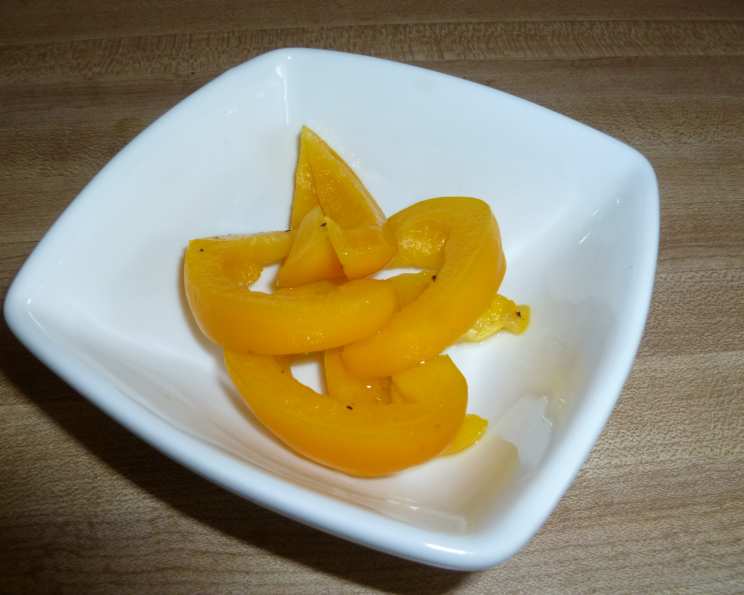
There’s a certain magic that happens when humble vegetables are transformed into something bright, zesty, and utterly irresistible with just a few pantry staples. For me, this magic truly revealed itself one summer afternoon, staring at a trio of zucchini that had absolutely exploded from the garden. I’d always pickled cucumbers this way, a method so simple it felt almost like a trick. On a whim, I sliced the zucchini paper-thin and submerged them in a tangy brine. The result was astounding – a vibrant, crunchy counterpoint to richer dishes. This culinary revelation quickly spread. Soon, I was experimenting with yellow squash, then thinly sliced red onions, and finally, crisp bell peppers, each yielding a wonderfully unique pickled treat. It’s the kind of recipe that makes you feel like a kitchen wizard, conjuring flavor from the everyday.
Recipe Overview
- Prep Time: 10 minutes
- Cook Time: 0 minutes
- Total Time: 10 minutes (plus 3 hours chilling)
- Servings: 6
- Yields: 1 Batch
- Dietary Type: Vegan, Gluten-Free, Dairy-Free
Ingredients
This recipe is wonderfully flexible, designed to adapt to what you have on hand. The core of it is the brine, and the vegetables are merely the canvas.
- 2 zucchini, sliced very thin (or other abundant veggie like yellow squash, red onion, or bell pepper)
- 1 cup sugar (you can reduce this to as little as 1/4 cup for a tarter pickle)
- Salt (to taste, as needed to cover the vegetables)
- 1/2 cup white vinegar (more or less, just enough to cover the vegetables)
- Mix or Match Spices:
- 1/4 cup dill weed, chopped, fresh (or 1 tablespoon dried dill weed)
- 2 teaspoons garlic, chopped
- 1 teaspoon dry mustard
- 1 teaspoon turmeric
- 1 teaspoon celery seed
- 1 teaspoon cinnamon
- 1-2 teaspoons serrano chili, chopped (jalapeño or other chili is perfectly fine)
- 1 teaspoon ginger (if using fresh chopped ginger, triple this amount; 1 teaspoon dried ginger powder is also an option)
- 1 teaspoon red pepper flakes
Equipment Needed
The beauty of this recipe lies in its simplicity; you won’t need much.
- A large bowl or a few smaller bowls/jars for mixing and chilling.
- A sharp knife or a mandoline slicer for thinly slicing vegetables.
Instructions
The process is straightforward, allowing the ingredients to work their magic with minimal intervention.
- Begin by preparing your chosen vegetables. If using zucchini or yellow squash, slice them very thinly. For onions, slice them as thinly as possible. Bell peppers can also be sliced thinly into strips or rings. The thinner the slice, the more quickly they will absorb the brine and become tender-crisp.
- In a large bowl, combine the sugar, salt, white vinegar, and your chosen spices. Stir everything together thoroughly until the sugar and salt begin to dissolve. If you are using a large quantity of vegetables, you may need to add more vinegar and salt to ensure that all the vegetables are submerged later. The goal is to have enough liquid to fully cover your sliced vegetables.
- Add your prepared zucchini (or other chosen vegetables) to the brine mixture. Gently stir to ensure that all the slices are coated and submerged in the liquid. If the vegetables are not completely covered, add a little more white vinegar and a pinch of salt until they are.
- Cover the bowl tightly, or transfer the mixture to airtight jars or containers. Place the bowl or containers in the refrigerator.
- Allow the flavors to develop for at least 3 hours in the refrigerator. For the best flavor and texture, it’s ideal to let them pickle for at least 6 hours, or even overnight.
Expert Tips & Tricks
This recipe is a fantastic starting point, but a few chef-level insights can elevate it even further.
- The Mandoline is Your Friend: For consistently thin slices that pickle evenly, a mandoline slicer is invaluable. Be sure to use the safety guard! If you don’t have one, a very sharp knife and a steady hand will suffice, but aim for uniform thickness.
- Taste and Adjust: The “salt to cover” is a guideline. Taste the brine after mixing the initial ingredients. It should be noticeably salty and sweet, with a good tang from the vinegar. You can adjust the sugar and vinegar ratios to your preference – more sugar for a sweeter pickle, more vinegar for a tarter one.
- Spice Alchemy: Don’t be afraid to get creative with the spices. Cumin, coriander, mustard seeds, peppercorns, or even a star anise can add delightful complexity. The cinnamon and turmeric provide a lovely warmth and color, especially with zucchini and yellow squash.
- Batch Size Matters: If you’re making a large batch, consider dividing it into smaller portions for easier storage and thawing if you plan to freeze. This prevents thawing and refreezing large quantities unnecessarily.
Serving & Storage Suggestions
These quick pickles are incredibly versatile and add a delightful burst of flavor and texture to a wide array of dishes.
- Serving: Drain the pickles slightly before serving. They are a perfect accompaniment to sandwiches, burgers, tacos, and grilled meats. They also shine as a vibrant side dish for rich, creamy meals, cutting through the fat with their acidity. Try them as a topping for a charcuterie board or mixed into a potato salad for an unexpected zing.
- Storage: These quick pickles will keep exceptionally well in the refrigerator. Store them in an airtight container or the jars they were made in. They are best enjoyed within 2-3 weeks when stored properly in the refrigerator.
- Freezing: For longer storage, these pickles can be frozen. If you are doing a big batch, consider freezing after the initial 3-hour chilling period. Portion them into small zip-top bags or individual containers. If using zip-top bags, lay them flat on a baking sheet to freeze before transferring them to a larger freezer bag for easier handling and storage. Remember to label them clearly, especially if you’ve made various spice combinations. Thaw in the refrigerator overnight. While freezing can slightly alter the texture, the flavor remains excellent.
Nutritional Information
Here’s an estimated nutritional breakdown, keeping in mind that the sugar content can vary significantly based on your adjustments.
| Nutrient | Amount per Serving | % Daily Value |
|---|---|---|
| Calories | 919.7 kcal | 46% |
| Total Fat | 3.2 g | 4% |
| Saturated Fat | 0.6 g | 3% |
| Cholesterol | 0 mg | 0% |
| Sodium | 47.5 mg | 2% |
| Total Carbohydrate | 222.7 g | 81% |
| Dietary Fiber | 7.2 g | 26% |
| Sugars | 210.5 g | 421% |
| Protein | 6.8 g | 14% |
Note: Nutritional information is an estimate and will vary based on the specific vegetables used and the amount of sugar and salt added.
Variations & Substitutions
This is where the true fun begins, allowing you to tailor these pickles to your exact culinary desires.
- Vegetable Palette: Beyond the mentioned zucchini, yellow squash, onion, and bell pepper, consider other vegetables like cucumber (the classic!), daikon radish, green beans, or even thinly sliced carrots.
- Spice Blends:
- Dill Pickle Style: Increase the fresh dill, add a few sprigs of fresh dill, and perhaps a couple of bay leaves. A few whole peppercorns can also be nice.
- Sweet & Spicy: Enhance the sweetness by adding a touch more sugar. For heat, consider adding a whole dried chili pepper or a few slices of habanero for a fiery kick.
- Mediterranean Twist: Incorporate dried oregano, thyme, a pinch of red pepper flakes, and maybe a few black peppercorns.
- Asian Infusion: Add fresh grated ginger, a splash of soy sauce (or tamari for gluten-free), and a pinch of five-spice powder.
- Vinegar Choices: While white vinegar is classic for its clean acidity, you can experiment with apple cider vinegar for a slightly fruitier note or rice wine vinegar for a milder, more delicate flavor.
FAQs (Frequently Asked Questions)
Q: Can I use other types of sugar?
A: Yes, you can experiment with brown sugar or honey for different flavor profiles, though white sugar provides the cleanest tang.
Q: How thin do the vegetables really need to be?
A: The thinner the slices, the better they pickle. Aim for about 1/8-inch thickness for optimal results.
Q: My vegetables aren’t fully submerged, what should I do?
A: Add more vinegar and salt to the brine until the vegetables are completely covered.
Q: Can I add these spices directly to the jars for individual servings?
A: Yes, you can divide the vegetables and spices into individual jars and then pour the brine over them.
Q: How long do these pickles last in the refrigerator?
A: When stored properly in an airtight container, they will last for about 2-3 weeks.
Final Thoughts
This quick pickle recipe is more than just a way to preserve vegetables; it’s an invitation to play with flavors and transform simple ingredients into something extraordinary. Whether you’re looking to liven up a weeknight meal or create a stunning accompaniment for a special occasion, these tangy treasures are sure to impress. They are a testament to how a few minutes of prep can yield a world of vibrant flavor, making them a staple in my kitchen and one I wholeheartedly encourage you to try. Let the pickling adventures begin!