
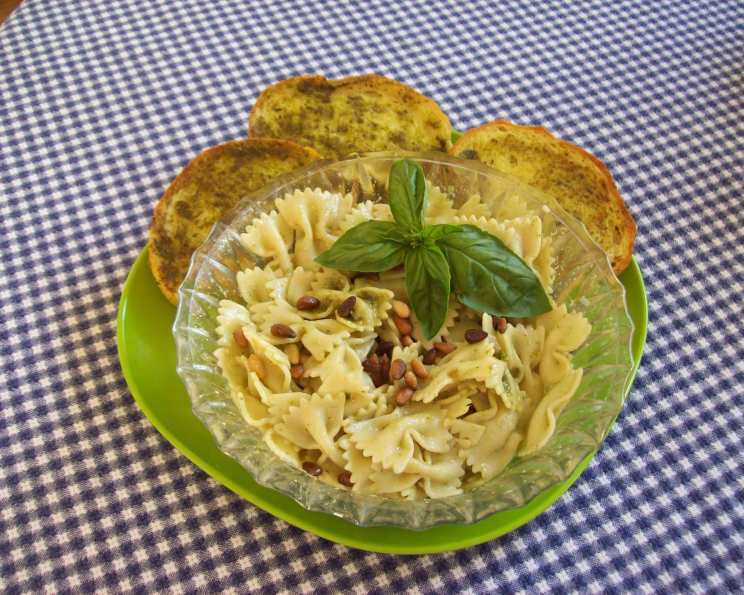
Quick & Simple Pesto: The Vibrant Heart of Your Kitchen
There’s a certain magic that happens when you combine fresh basil, fragrant garlic, toasted pine nuts, sharp Parmesan, and good olive oil. For me, it conjures memories of sun-drenched Italian countryside and bustling family kitchens. I remember my Nonna, her hands stained green from endless basil harvests, meticulously grinding these ingredients in a mortar and pestle, the aroma filling our tiny apartment. While her method was traditional and deeply cherished, the convenience and speed of a food processor version can be equally rewarding, especially when life calls for deliciousness in a hurry. This classic pesto recipe, approachable and incredibly versatile, has become a weeknight savior, a quick flavor bomb for weeknight pasta, a delightful spread for crusty bread, and a secret weapon in countless dishes.
Recipe Overview
- Prep Time: 10 minutes
- Cook Time: 0 minutes
- Total Time: 10 minutes
- Servings: 4-6
- Yields: 1 1/4 cups
- Dietary Type: Vegetarian
Ingredients
This recipe is about the purity of its components, so using the freshest, highest-quality ingredients you can find will truly elevate the final product.
- 2 cups fresh basil leaves, firmly packed (ensure they are fresh and vibrant; frozen or dried basil won’t yield the same result)
- 3/4 cup grated Parmesan cheese (look for a good quality Parmigiano-Reggiano for the best flavor)
- 3/4 cup extra-virgin olive oil (this is the backbone of the sauce, so a fruity, robust oil will make a difference)
- 3 garlic cloves, peeled
- 1/4 cup pine nuts, lightly toasted (also known as pignoli nuts)
Equipment Needed
- Food processor or blender
- Spatula
Instructions
The beauty of this classic pesto lies in its straightforward preparation. You’ll be amazed at how quickly these simple ingredients transform into a vibrant, flavorful sauce.
- Prepare the Aromatics: Begin by peeling the garlic cloves. You want them to be ready to be incorporated smoothly into the mixture.
- Toast the Pine Nuts (Optional but Recommended): For an enhanced nutty flavor and aroma, lightly toast the pine nuts. You can do this in a dry skillet over medium-low heat for 2-3 minutes, stirring constantly, until they are lightly golden and fragrant. Be careful not to burn them. Allow them to cool slightly before proceeding.
- Combine Ingredients: In the bowl of your food processor or blender, combine the fresh basil leaves, grated Parmesan cheese, garlic cloves, and toasted pine nuts.
- Begin Processing: Cover the food processor or blender.
- Blend to Smoothness: Process on medium speed for about 3 minutes. It’s crucial to stop occasionally to scrape down the sides of the bowl with a spatula. This ensures that all the ingredients are evenly incorporated and that you achieve a smooth, luscious consistency. Continue blending until the pesto reaches your desired smoothness. Some prefer a slightly chunkier texture, while others like it completely smooth.
Expert Tips & Tricks
- Basil Quality is Key: This cannot be stressed enough. Use fresh, bright green basil leaves. Avoid any that look wilted or bruised. Gently wash and thoroughly pat dry your basil before using to prevent a watery pesto.
- Toasting Pine Nuts: While you can use raw pine nuts, toasting them unlocks a deeper, nuttier flavor profile that significantly enhances the pesto. Watch them closely, as they can go from perfectly toasted to burnt in a matter of seconds.
- The Right Olive Oil: Using a good quality extra-virgin olive oil is essential. Its fruity notes will complement the basil and garlic beautifully. Avoid using a very strong or bitter olive oil, as it can overpower the other flavors.
- Garlic Intensity: If you find raw garlic too pungent, you can lightly roast the garlic cloves before adding them to the food processor. This mellows their flavor and adds a subtle sweetness.
- Achieving the Right Texture: The consistency of your pesto is a matter of personal preference. If you prefer a looser sauce for drizzling, you can add a touch more olive oil while processing until you reach your desired fluidity.
Serving & Storage Suggestions
Pesto is a culinary chameleon, incredibly adaptable to various dishes.
- Pasta Perfection: The most classic pairing is with pasta. Toss freshly cooked pasta (spaghetti, linguine, or even a short pasta like fusilli) with a generous dollop of pesto. You can warm the pesto gently in a small saucepan with a tablespoon or two of the pasta’s cooking water to help it emulsify and coat the pasta beautifully.
- Bread & Bruschetta: Spread pesto on toasted Italian bread for an effortless appetizer, or use it as a base for a flavorful bruschetta.
- Sandwiches & Salads: A smear of pesto adds incredible flavor to sandwiches, paninis, and wraps. It also makes a wonderful dressing for salads, either on its own or mixed with a vinaigrette.
- Pizza & Flatbreads: Use pesto as a vibrant sauce base for homemade pizzas or flatbreads. It pairs wonderfully with mozzarella, tomatoes, and grilled chicken or vegetables.
- Marinades & Dips: Blend pesto into marinades for chicken, fish, or vegetables. It can also be mixed with cream cheese or Greek yogurt to create a delightful dip.
- Storage: Store leftover pesto in an airtight container in the refrigerator for up to 5 days. To preserve its vibrant green color and prevent oxidation, pour a thin layer of olive oil over the surface of the pesto before sealing the container. For longer storage, pesto freezes beautifully. You can freeze it in ice cube trays for convenient single-serving portions, or in an airtight container for up to 3 months.
Nutritional Information
(Note: Nutritional information is an estimate and can vary based on specific ingredients used.)
| Nutrient | Amount per Serving (approx.) | % Daily Value (approx.) |
|---|---|---|
| Calories | 1628.5 kcal | N/A |
| Calories from Fat | 1495 kcal | N/A |
| Total Fat | 166.2 g | 255% |
| Saturated Fat | 29.7 g | 148% |
| Cholesterol | 52.8 mg | 17% |
| Sodium | 927.3 mg | 38% |
| Total Carbohydrate | 12 g | 4% |
| Dietary Fiber | 3.4 g | 13% |
| Sugars | 2 g | 8% |
| Protein | 31.6 g | 63% |
Variations & Substitutions
While this recipe celebrates the classic, there are delightful ways to adapt it to your taste and what you have on hand.
- Nut-Free Pesto: If you have a nut allergy or simply don’t have pine nuts, you can substitute them with toasted sunflower seeds or toasted pumpkin seeds.
- Herbal Twists: While basil is traditional, feel free to experiment with other fresh herbs. A mix of parsley and mint can create a refreshing variation, or you can add a smaller amount of arugula for a peppery kick.
- Cheese Alternatives: If you’re dairy-free or prefer a different cheese, you can try nutritional yeast for a cheesy flavor, or a good quality vegan Parmesan alternative.
- Creamy Pesto: For a richer, creamier sauce, stir in a few tablespoons of heavy cream, crème fraîche, or even some ricotta cheese after blending.
FAQs
Q: Can I use dried basil instead of fresh basil for this recipe?
A: No, it is highly recommended to use only fresh basil for this classic pesto recipe. Dried basil has a very different flavor profile and will not yield the authentic vibrant taste and texture of pesto.
Q: My pesto turned out a bit bitter. What could have caused that?
A: A slight bitterness can sometimes come from the basil stems or if the garlic is particularly strong. Ensure you are only using the basil leaves and consider lightly roasting the garlic cloves to mellow their intensity.
Q: How can I make my pesto sauce smoother?
A: To achieve a smoother pesto, continue blending for a longer period and ensure you are scraping down the sides of the food processor or blender frequently. Adding a little more olive oil, a tablespoon at a time, while blending can also help create a smoother consistency.
Q: Can I make pesto without a food processor?
A: Traditionally, pesto was made using a mortar and pestle. While it requires more manual effort, it can yield a wonderfully rustic texture. For a quicker alternative if you don’t have a food processor, a powerful blender can also be used.
Q: How long will my homemade pesto last in the refrigerator?
A: When stored properly in an airtight container with a layer of olive oil on top, homemade pesto will typically last for up to 5 days in the refrigerator.
Final Thoughts
This Quick & Simple Pesto is more than just a sauce; it’s an instant upgrade for any meal. It’s a testament to how a few high-quality ingredients, treated with care, can create something truly extraordinary. Keep a batch in your fridge, and you’ll find yourself reaching for it constantly, transforming everyday meals into culinary delights. Don’t hesitate to experiment with its versatility – a drizzle on grilled vegetables, a swirl into soup, or a spread on a hearty sandwich. Enjoy the vibrant, fresh taste that only homemade pesto can bring!