
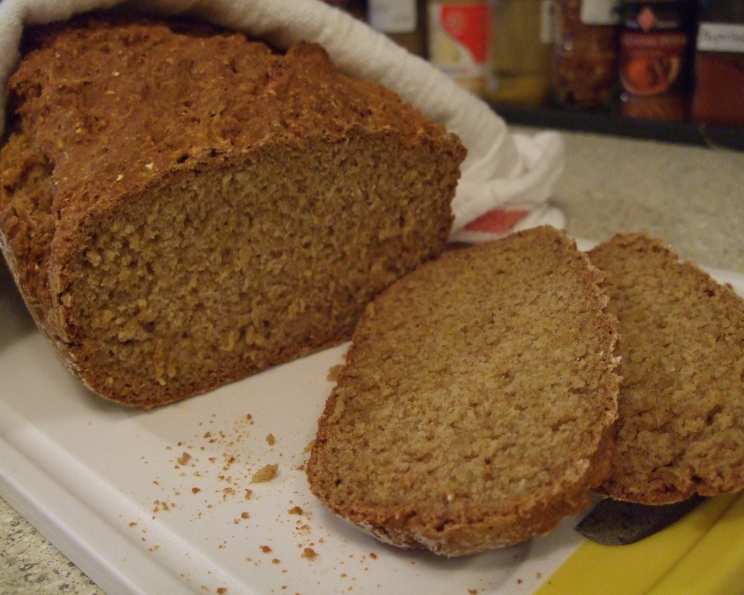
Quinoa Brown Bread: A Hearty, Nutty Revelation
There’s something incredibly grounding about the smell of baking bread, a scent that instantly transports me back to my grandmother’s kitchen. She was a true alchemist with flour and yeast, but her specialty was a no-nonsense, rustic Irish brown soda bread that was the perfect canvas for a generous slather of butter and a dollop of homemade jam. When I first encountered a recipe that dared to add quinoa to this beloved classic, I was intrigued, then skeptical. Could this ancient grain truly elevate such a humble loaf? The result, however, was a revelation – a bread with an unexpected nutty depth, a wonderfully satisfying chew, and a texture that held up beautifully to hearty toppings.
Recipe Overview
- Prep Time: 15 minutes
- Cook Time: 40 minutes
- Total Time: 55 minutes
- Servings: 16
- Yield: 1 loaf
- Dietary Type: Vegetarian
Ingredients
This recipe embraces the wholesome goodness of whole grains and the subtle crunch of quinoa, creating a bread that’s both nourishing and delicious.
- 1 ½ cups all-purpose flour
- 1 ½ cups whole wheat flour
- ½ cup quick-cooking oats
- ½ cup quinoa, cooked
- 2 teaspoons baking soda
- 2 tablespoons brown sugar
- 1 teaspoon salt
- 2 cups low-fat buttermilk
Equipment Needed
- Oven
- Standard loaf pan
- Food processor (optional, for oats)
- Large mixing bowl
- Measuring cups and spoons
- Toothpick or skewer (for testing doneness)
- Aluminum foil (optional)
- Wire cooling rack
Instructions
Crafting this Quinoa Brown Bread is a wonderfully straightforward process, perfect for both novice bakers and seasoned pros looking for a wholesome addition to their repertoire.
- Preheat your oven to 400 degrees F (200 degrees C). This consistent, high heat is crucial for achieving a good rise and a well-baked crust.
- Prepare your loaf pan by greasing and flouring it thoroughly. This prevents sticking and ensures your beautiful loaf slides out with ease. A well-greased and floured pan is the unsung hero of countless successful bakes.
- If you’re aiming for a finer texture, consider this optional step: place the quick-cooking oats in a food processor. Blend them until they are roughly the same size as the cooked quinoa seeds. This isn’t strictly necessary, but I find it contributes to a more uniform crumb and a more pleasant mouthfeel in the finished bread.
- In a large mixing bowl, combine all the dry ingredients: the all-purpose flour, whole wheat flour, quick-cooking oats (whether processed or not), the cooked quinoa, baking soda, brown sugar, and salt. Whisk them together to ensure they are well incorporated. As you do this, use your fingers to break up any clumps of quinoa that might be clinging together; this ensures they distribute evenly throughout the dough.
- Now, it’s time to bring it all together with the wet ingredients. Add half of the low-fat buttermilk to the dry ingredients. Begin to mix. Then, slowly add the remaining buttermilk, stirring until a sticky but firm dough forms. It’s important to note that you may not need to use all of the buttermilk. The exact amount can vary slightly depending on the humidity and the specific flours you use. The goal is a dough that’s cohesive and manageable, not overly wet and sticky.
- Gently turn the dough out into the prepared loaf pan. Using your hands or a spatula, spread the dough out evenly to fill the pan. You want a relatively smooth top surface for an even bake.
- Bake for approximately 40 minutes. To check for doneness, insert a toothpick or skewer into the center of the loaf. It should come out clean when the bread is fully baked. If you notice that the top of the bread is starting to get too dark before the center is cooked through, you can tent it with aluminum foil while it finishes baking. This allows the heat to penetrate the center without burning the crust.
- Once baked, remove the bread from the loaf pan and place it on a wire cooling rack. Allow it to cool completely before slicing. This is crucial for the texture to set properly; slicing too early can result in a gummy interior.
Expert Tips & Tricks
- Quinoa Prep is Key: For the best texture, ensure your cooked quinoa is not mushy. It should be fluffy and separated, almost like tiny pearls. If you’re cooking it specifically for this bread, slightly undercook it to prevent it from becoming too soft.
- Don’t Overmix: Soda bread relies on the chemical reaction of baking soda and buttermilk for its lift, not on gluten development like yeast breads. Overmixing can lead to a tough loaf. Mix just until the dough comes together.
- The Buttermilk is Your Guide: As mentioned in the instructions, pay attention to the dough’s consistency. The “sticky but firm” description is your target. If it feels too dry, add buttermilk a tablespoon at a time. If it feels too wet, you can add a whisper more whole wheat flour, but do so sparingly.
- A Foil Tent is Your Friend: Don’t hesitate to use that aluminum foil tent. Ovens can have hot spots, and this simple trick can save your loaf from becoming overly browned on top while still ensuring the inside is cooked through.
- Room Temperature is Best: While you can prepare the dry ingredients ahead of time, it’s best to add the buttermilk and bake the bread closer to serving time for optimal freshness.
Serving & Storage Suggestions
This Quinoa Brown Bread is incredibly versatile. It’s magnificent served slightly warm, with a generous smear of unsalted butter. The subtle nuttiness of the quinoa pairs beautifully with the rich butter, creating a simple yet deeply satisfying experience. For those with a sweeter inclination, a drizzle of honey or a dollop of tart blackcurrant jam is an absolute delight, echoing the spirit of traditional soda bread accompaniments. It also makes an excellent base for avocado toast or a hearty sandwich.
When it comes to storage, this bread is best enjoyed within 2-3 days at room temperature, ideally kept in a paper bag or a bread box to maintain its texture. Avoid plastic bags, as they can trap moisture and make the crust soggy. If you find yourself with more bread than you can enjoy in that time, it freezes beautifully. Slice the cooled loaf and wrap it tightly in plastic wrap, followed by a layer of aluminum foil or a freezer-safe bag. It will keep well in the freezer for up to 2-3 months. To reheat, simply thaw at room temperature or gently warm slices in a toaster or a low oven.
Nutritional Information
This table provides an estimated nutritional breakdown per serving. Please note that these values can vary based on specific ingredients and preparation methods.
| Nutrient | Amount per Serving | % Daily Value |
|---|---|---|
| Calories | 129.1 kcal | |
| Calories from Fat | ||
| Total Fat | 1.1 g | 1 % |
| Saturated Fat | 0.3 g | 1 % |
| Cholesterol | 1.2 mg | 0 % |
| Sodium | 337.5 mg | 14 % |
| Total Carbohydrate | 25.6 g | 8 % |
| Dietary Fiber | 2.2 g | 9 % |
| Sugars | 3.2 g | 12 % |
| Protein | 4.9 g | 9 % |
Variations & Substitutions
While this recipe is wonderful as is, there’s always room for a little culinary creativity!
- Seed Power: For an extra layer of texture and nutrition, consider adding a tablespoon or two of sesame seeds, flaxseeds, or sunflower seeds to the dry ingredients.
- Herbal Infusion: A finely chopped tablespoon of fresh rosemary or thyme can add a wonderful savory dimension, particularly if you plan to serve the bread with cheese or as part of a savory meal.
- Nutty Boost: If you enjoy a deeper nutty flavor, you could substitute some of the all-purpose flour with whole grain spelt flour or even a touch of nut flour, like almond flour, though be mindful that this will affect the bread’s structure.
- Dairy-Free Delight: For a dairy-free version, plain, unsweetened non-dairy milk (such as soy, almond, or oat milk) can be used. You might want to add a tablespoon of lemon juice or apple cider vinegar to the non-dairy milk and let it sit for 5-10 minutes to create a “buttermilk” substitute.
FAQs
Q: Why is my soda bread dense instead of fluffy?
A: Soda bread relies on the chemical reaction between baking soda and an acidic liquid (like buttermilk) for leavening. Overmixing the dough or not having a sufficient amount of leavening agent can result in a dense loaf. Ensure your baking soda is fresh and mix the dough only until just combined.
Q: Can I use active dry yeast instead of baking soda?
A: No, this recipe is specifically designed as a soda bread and will not work correctly with yeast. Soda bread relies on a chemical reaction for its lift, while yeast bread uses fermentation.
Q: My bread is sticking to the pan, what did I do wrong?
A: Proper greasing and flouring of the loaf pan are crucial. Ensure you’ve coated the pan thoroughly with butter or oil and then dusted it with flour, tapping out any excess.
Q: How do I know if my baking soda is still active?
A: To test your baking soda, add about a teaspoon to a small amount of hot water. If it fizzes vigorously, it’s still active and good to use. If there’s little to no reaction, it’s time for a new box.
Q: Can I use regular milk instead of buttermilk?
A: While you can substitute regular milk, the bread won’t have the same tender crumb or slight tang. For a closer result, you can create a buttermilk substitute by adding 1 tablespoon of lemon juice or white vinegar to 1 cup of regular milk and letting it stand for 5-10 minutes.
Final Thoughts
This Quinoa Brown Bread is a testament to how simple additions can transform a familiar favorite into something truly special. It’s a bread that speaks of honest ingredients and satisfying nourishment, a perfect companion to a morning coffee or an afternoon tea. I encourage you to give it a try, to experience its delightful texture and subtle nutty charm for yourself. Share a slice with loved ones, perhaps alongside a robust cheese or a pot of your favorite stew, and savor the comforting goodness that only homemade bread can bring. I’d be delighted to hear about your baking adventures with this wholesome loaf!