
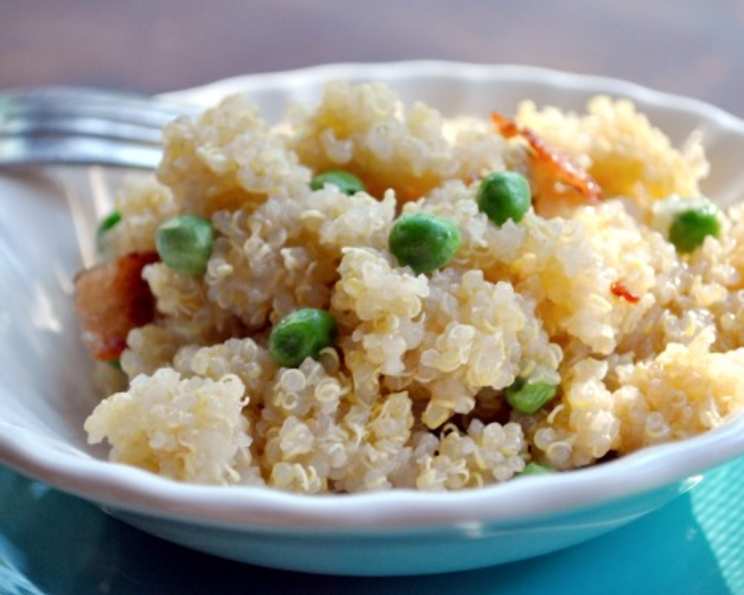
Quinoa Pilaf: A Wholesome Foundation for Flavor
I still remember the first time I encountered quinoa. It was during a particularly experimental phase in my early culinary journey, a time when I was eager to move beyond the predictable comfort of rice and pasta. I was working in a bustling restaurant kitchen, and the chef, a true innovator, introduced us to this tiny, pearl-like grain, extolling its virtues not just for nutrition but for its incredibly versatile palate. We served it as a base for a vibrant Moroccan-inspired tagine, and the way it soaked up those rich, aromatic spices without becoming mushy was a revelation. It wasn’t long before I started experimenting with it at home, and this Quinoa Pilaf quickly became a staple, a blank canvas ready to be adorned with whatever seasonal bounty or pantry staples I had on hand.
Recipe Overview
- Prep Time: 10 minutes
- Cook Time: 30 minutes
- Total Time: 40 minutes
- Servings: 3
- Yield: Approximately 3 cups
- Dietary Type: Vegan, Gluten-Free (ensure vegetable stock is gluten-free)
Ingredients
This pilaf is designed to be wonderfully adaptable, but here are the core components that bring it to life:
- 1 tablespoon olive oil
- 1/2 onion, chopped
- 1 stalk celery (including the leaves, which are packed with flavor!)
- 2 carrots, finely chopped
- 1/2 cup quinoa
- 1 cup vegetable stock or 1 cup chicken broth (for a non-vegan option)
- 1 cup butternut squash, peeled and diced (optional, but adds a lovely sweetness and color)
- 1 bay leaf
- Fresh lemon rind, grated from 1 lemon
- 1 tablespoon fresh lemon juice
- 1/2 cup frozen peas
- Salt and pepper, to taste
Equipment Needed
For this simple yet satisfying pilaf, you won’t need much beyond the essentials:
- A medium-sized nonstick pan or pot with a lid
- A knife and cutting board for chopping vegetables
- A measuring cup and tablespoon
- A grater for the lemon rind
- A stirring spoon
Instructions
Crafting this quinoa pilaf is straightforward, allowing the natural flavors of the ingredients to shine.
- Begin by heating the olive oil in your nonstick pan over medium heat. Once shimmering, add the chopped onion, celery, and carrots. Cook these aromatics for 10 minutes, stirring occasionally, until they have softened and the onion is translucent. This initial sauté builds a foundational layer of flavor for the pilaf.
- While the vegetables are sautéing, thoroughly rinse the quinoa under cold running water. This step is crucial to remove any saponin, a natural coating that can give quinoa a bitter taste. Drain the quinoa well after rinsing.
- Add the drained quinoa directly into the pan with the softened vegetables. Cook, stirring constantly, for 1 minute. This brief toasting step enhances the nutty flavor of the quinoa and helps it absorb liquids more effectively.
- Pour in the vegetable stock (or chicken broth). If you’re using the butternut squash, add the diced squash now. Add the bay leaf and the grated fresh lemon rind along with the fresh lemon juice.
- Bring the mixture to a boil. Once boiling, immediately reduce the heat to medium-low, cover the pan tightly, and simmer for 15 to 20 minutes. The key is to let it cook undisturbed, allowing the quinoa to absorb the liquid and become tender. You’ll know it’s ready when the liquid is fully absorbed and the quinoa grains have unfurled, revealing their characteristic germ ring.
- Once the liquid has been absorbed and the quinoa is tender, discard the bay leaf.
- Finally, stir in the frozen peas. The residual heat from the pilaf will be enough to cook them through in just a couple of minutes, keeping them bright green and slightly crisp.
- Season generously with salt and pepper to taste. Adjust as needed to achieve your desired flavor balance.
Expert Tips & Tricks
To elevate your quinoa pilaf from good to truly exceptional, consider these seasoned chef insights:
- The Power of Rinse: Don’t skip rinsing your quinoa! It’s the single most important step to avoid any hint of bitterness. A fine-mesh sieve is your best friend here.
- Vegetable Stock is Key: While water will work, using a good quality vegetable stock will infuse your pilaf with so much more depth and savory complexity. If you have homemade stock, even better!
- Don’t Overcrowd the Pan: Ensure your pan is large enough to allow the vegetables to sauté properly. Overcrowding can lead to steaming rather than caramelizing, which will impact the flavor.
- The Art of the Simmer: Resist the urge to lift the lid too often during the simmering phase. Each time you do, you release precious steam that’s essential for cooking the quinoa perfectly. Let it do its magic, undisturbed.
- Lemon Zest vs. Juice: The lemon rind (zest) provides a bright, aromatic citrus oil that infuses the pilaf beautifully, while the juice adds a touch of acidity to balance the richness. Use both for a more vibrant flavor.
- Butternut Squash Brilliance: If you’re adding butternut squash, ensure it’s cut into relatively small, uniform cubes. This will ensure it cooks through at the same rate as the quinoa, creating a harmonious texture.
Serving & Storage Suggestions
This Quinoa Pilaf is incredibly versatile. Serve it warm as a delightful side dish alongside grilled chicken, roasted fish, or a hearty lentil stew. It also makes a fantastic base for a vibrant salad; let it cool completely, then toss with chopped fresh herbs, diced cucumbers, bell peppers, and a light vinaigrette.
Storage: Leftovers can be stored in an airtight container in the refrigerator for up to 3 days. To reheat, gently warm it in a saucepan over low heat with a splash of water or stock, or microwave it until heated through. The texture is best when enjoyed within a day or two.
Nutritional Information
Here’s an approximate breakdown of the nutritional content per serving. Please note that these values can vary slightly based on the specific ingredients used and precise measurements.
| Nutrient | Amount per Serving | % Daily Value |
|---|---|---|
| Calories | 188.5 kcal | |
| Calories from Fat | ||
| Total Fat | 6.5 g | 9% |
| Saturated Fat | 0.9 g | 4% |
| Cholesterol | 0 mg | 0% |
| Sodium | 67.5 mg | 2% |
| Total Carbohydrate | 27.6 g | 9% |
| Dietary Fiber | 4.7 g | 18% |
| Sugars | 4.2 g | 16% |
| Protein | 5.9 g | 11% |
Note: The “Calories from Fat” value in the source data appears to be a description rather than a numerical value. The % Daily Value for fat also seems to be listed incorrectly as “58 g 31%”. The table above reflects the numerical data available for the nutrients.
Variations & Substitutions
The beauty of this pilaf lies in its adaptability. Here are a few ideas to keep things exciting:
- Herbal Infusion: Add a sprig of fresh thyme or rosemary along with the bay leaf for an earthy aroma.
- Spice It Up: A pinch of cumin, coriander, or even a touch of turmeric can transform the flavor profile.
- Nutty Crunch: Stir in a handful of toasted slivered almonds or chopped walnuts just before serving for added texture and richness.
- Dried Fruit Sweetness: A few dried cranberries or raisins can be added along with the peas for a touch of sweetness and chewiness.
- Beyond Butternut: Experiment with other seasonal vegetables like diced zucchini, bell peppers, or even sweet potatoes.
- Quinoa Variety: While white quinoa is common, try red or black quinoa for a more robust texture and slightly nuttier flavor.
FAQs
Q: Why do I need to rinse quinoa?
A: Quinoa is coated in a natural substance called saponin, which can taste bitter or soapy if not washed off. Rinsing thoroughly removes this coating.
Q: Can I use a different type of grain instead of quinoa?
A: While this recipe is designed for quinoa, you could experiment with other small grains like couscous or millet, but you may need to adjust cooking times and liquid ratios.
Q: My quinoa is still hard after cooking. What went wrong?
A: Ensure your heat was low enough for simmering and that the lid was tight. You may need to add a little more liquid and continue to cook for a few more minutes.
Q: Can I make this pilaf ahead of time?
A: Yes, this pilaf can be made ahead and stored in the refrigerator. It reheats well, though the peas might be slightly softer.
Q: Is quinoa a complete protein?
A: Yes, quinoa is one of the few plant-based foods that is considered a complete protein, meaning it contains all nine essential amino acids.
Final Thoughts
This Quinoa Pilaf is more than just a side dish; it’s a testament to how simple, wholesome ingredients can form the foundation for truly delicious and nourishing meals. It’s a recipe that invites creativity, encouraging you to make it your own with a sprinkle of this or a handful of that. I often find myself reaching for it when I want something satisfying yet light, something that feels both comforting and vibrant. It pairs beautifully with a crisp white wine or a refreshing glass of infused water, bringing a touch of healthful elegance to any table. I hope you find as much joy and versatility in making and eating this pilaf as I have. Let me know how you make it your own!