
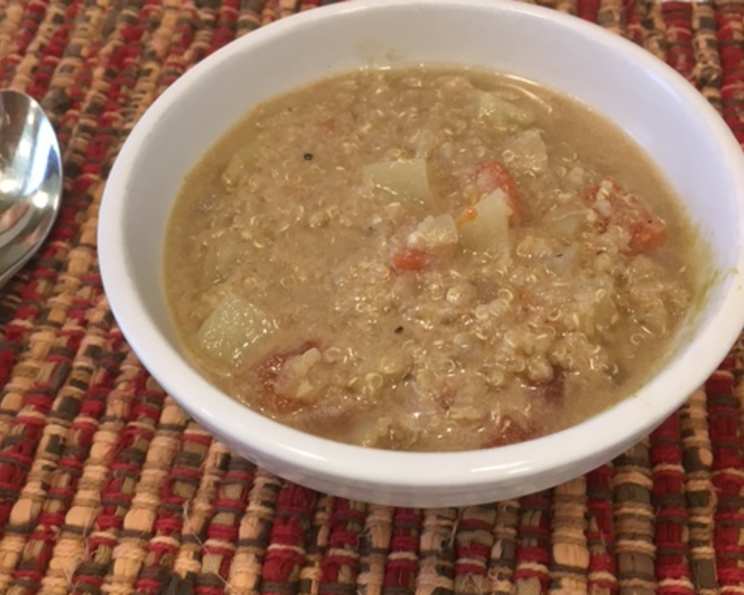
A Taste of the Andes: Heartwarming Ecuadorian Quinoa Soup
My earliest encounters with Ecuadorian cuisine were through the generous spirit of a dear friend, Maria. She would often bring dishes from her homeland to gatherings, and one particular soup became an instant favorite – a humble yet incredibly satisfying quinoa soup. The creamy, earthy notes of the quinoa, softened by the gentle simmer with vegetables, always felt like a warm hug. Recreating it at home was a revelation, and it has since become a staple in my repertoire, a testament to how simple ingredients, prepared with care, can yield such profound comfort. It’s a dish that speaks of tradition, nourishment, and the joy of sharing.
Recipe Overview
Here’s a quick look at what you’ll need to prepare this delightful soup:
- Prep Time: 15 minutes
- Cook Time: 30 minutes
- Total Time: 45 minutes
- Servings: 6
- Yield: Approximately 8 cups
- Dietary Type: Vegan, Gluten-Free, Dairy-Free
Ingredients
Gather these wholesome ingredients to bring this Ecuadorian delight to your table:
- 1 cup raw quinoa
- 1 large onion, chopped
- 2 teaspoons salt
- 3 tablespoons olive oil
- 2 medium tomatoes, peeled and cubed
- 1 vegetable bouillon cube
- 6 medium potatoes, peeled and cubed
- 2 teaspoons cumin
- 1 teaspoon black pepper
- 2 cups water
- 2 cups soymilk (or your preferred plant-based milk)
Equipment Needed
While this soup is wonderfully straightforward, a few key tools will ensure a smooth cooking process:
- A large pot or Dutch oven
- A cutting board and sharp knife for chopping vegetables
- Measuring cups and spoons
- A wooden spoon or spatula for sautéing
Instructions
Let’s get cooking! Follow these steps for a comforting bowl of Ecuadorian Quinoa Soup:
- Rinse the Quinoa: Begin by rinsing the raw quinoa thoroughly under cold running water. It’s crucial to rinse it at least 3 times to remove saponins, which can impart a bitter flavor. Drain it well after rinsing.
- Sauté the Aromatics: Heat the olive oil in your large pot or Dutch oven over medium heat. Add the chopped onion and sauté for approximately 5 minutes, or until the onion becomes translucent and softened.
- Build Flavor: To the sautéed onion, add the salt and cumin. Stir well to combine, allowing the spices to bloom in the warm oil for about 30 seconds.
- Combine Ingredients: Add the rinsed and drained quinoa to the pot, followed by the cubed potatoes, cubed tomatoes, and the vegetable bouillon cube. Pour in the water and the soymilk.
- Simmer to Perfection: Stir everything together to ensure the bouillon cube dissolves. Bring the mixture to a boil over medium-high heat. Once it reaches a rolling boil, reduce the heat to low, cover the pot, and let it simmer gently. Continue to simmer until the potatoes are tender, which typically takes about 20-25 minutes.
- Adjust Consistency (Optional): During the simmering process, if the soup becomes too thick for your liking, you may add a little more water or soymilk as necessary to achieve your desired consistency.
Expert Tips & Tricks
To elevate your Ecuadorian Quinoa Soup experience, consider these professional insights:
- Quinoa Rinse is Key: Don’t underestimate the importance of thoroughly rinsing your quinoa. This step is essential for a pleasant, non-bitter flavor. A fine-mesh sieve is your best friend here.
- Vegetable Prep: For a quicker cooking time, you can dice your potatoes into slightly smaller, uniform cubes. This ensures they cook evenly and become tender at the same time.
- Flavor Boost: While the recipe is delicious as is, a pinch of red pepper flakes added with the cumin can introduce a subtle warmth that complements the other flavors beautifully.
- Creaminess Control: The soymilk provides a lovely creaminess. If you prefer an even richer, creamier soup, you can blend a portion of the cooked soup (about 1-2 cups) and then stir it back into the pot before serving. This creates a thicker, more luxurious texture without adding extra dairy or fat.
- Bouillon Quality: The quality of your vegetable bouillon cube can significantly impact the final flavor. Opt for a good quality, low-sodium option if possible, or use homemade vegetable broth for the ultimate depth of flavor.
Serving & Storage Suggestions
This hearty quinoa soup is wonderfully versatile when it comes to serving. It’s perfect as a light lunch, a comforting starter, or a satisfying main course.
Serving: Ladle the hot soup into bowls. Garnish with fresh cilantro or parsley for a pop of color and freshness. A side of crusty bread for dipping is always a welcome addition.
Storage: Leftovers can be stored in an airtight container in the refrigerator for up to 3-4 days. The soup may thicken upon standing; simply stir in a splash of water or soymilk when reheating to restore its original consistency. Reheat gently on the stovetop over low heat or in the microwave until heated through. This soup is not generally recommended for freezing, as the texture of the potatoes and quinoa can be altered upon thawing.
Nutritional Information
Here’s an approximate nutritional breakdown for a serving of this Ecuadorian Quinoa Soup:
| Nutrient | Amount per Serving | % Daily Value |
|---|---|---|
| Calories | 393.5 kcal | – |
| Calories from Fat | – | 93 g |
| Total Fat | 10.4 g | 16% |
| Saturated Fat | 1.4 g | 6% |
| Cholesterol | 0 mg | 0% |
| Sodium | 844.6 mg | 35% |
| Total Carbohydrate | 65.4 g | 21% |
| Dietary Fiber | 8.4 g | 33% |
| Sugars | 4.2 g | 16% |
| Protein | 12.4 g | 24% |
Note: Nutritional values are estimates and can vary based on specific ingredients and portion sizes.
Variations & Substitutions
While this recipe is a classic, feel free to experiment and make it your own:
- Plant-Based Milk: If soymilk isn’t your preference, almond milk, oat milk, or even cashew milk can be used. For a richer, more tropical flavor, consider using full-fat coconut milk for a portion of the liquid.
- Vegetable Medley: Feel free to add other vegetables like finely chopped carrots, celery, or peas during the simmering process.
- Spicier Kick: For those who enjoy more heat, a finely minced jalapeño pepper can be sautéed along with the onion.
- Herbaceous Notes: Fresh herbs like cilantro, parsley, or chives, stirred in just before serving, add a bright, fresh dimension.
FAQs
Here are some common questions about making Ecuadorian Quinoa Soup:
Q: Why do I need to rinse the quinoa?
A: Quinoa is naturally coated in saponins, which can give it a bitter or soapy taste. Rinsing thoroughly removes these compounds, ensuring a clean, pleasant flavor.
Q: Can I use a different type of grain instead of quinoa?
A: While quinoa is traditional and provides a wonderful texture, you could experiment with other small grains like millet or amaranth, though cooking times and liquid ratios may need adjustment.
Q: How can I make this soup thicker if I don’t want to blend it?
A: You can achieve a thicker soup by using slightly less water or soymilk to begin with, or by adding a tablespoon of cornstarch mixed with a little water towards the end of cooking, stirring until thickened.
Q: Is it important to peel the tomatoes?
A: Peeling the tomatoes helps to achieve a smoother texture in the soup. If you prefer a more rustic texture, you can leave the skins on.
Q: Can I add meat to this soup?
A: This recipe is traditionally vegetarian. However, if you wish to add meat, you could brown some chicken or beef before sautéing the onions and then proceed with the recipe.
This Ecuadorian Quinoa Soup is more than just a recipe; it’s an invitation to experience the warmth and comfort of Andean cuisine. Its simplicity belies its profound ability to nourish and satisfy. Whether you’re seeking a wholesome weeknight meal or a comforting dish on a chilly evening, this soup is sure to become a cherished part of your culinary repertoire. Enjoy the process, savor the aroma as it fills your kitchen, and most importantly, enjoy every spoonful.