
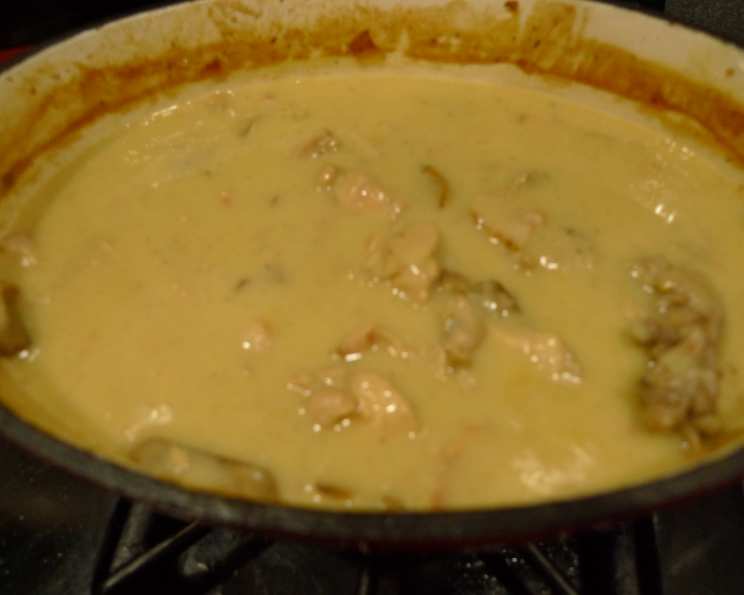
Rabbit in a Rich Mustard Sauce: A Taste of Rustic Elegance
I first encountered this remarkable rabbit dish tucked away in a cookbook dedicated to the sun-drenched flavors of the Mediterranean. It resonated with a deep sense of nostalgia, instantly transporting me back to my mother’s kitchen, where rabbit, invariably served alongside creamy mashed potatoes, was a Sunday ritual. The original recipe beckoned, but my inherent love for abundant sauce, particularly for sopping up every last drop of comforting potato puree, led me to double the sauce quantity. This decision proved to be a stroke of genius, not only for immediate indulgence but also for the practical advantage of making the dish wonderfully reheatable. I recall reheating this very dish multiple times during a solo culinary exploration, each iteration tasting as sublime as the first. For those less enamored with generous sauce, halving it is a perfectly viable option. A subtle yet significant alteration I made, inspired by my mother’s own technique, was to rub the rabbit pieces with mustard before searing, adding a delightful tang that permeates the finished dish. For me, rabbit prepared this way, lavished with mashed potatoes and perhaps a side of tender carrots or blistered tomatoes, is the very definition of soul-satisfying comfort food.
Recipe Overview
- Prep Time: Approximately 30 minutes
- Cook Time: Approximately 1 hour 15 minutes to 1 hour 30 minutes
- Total Time: Approximately 1 hour 45 minutes to 2 hours
- Servings: 4-6
- Yield: 1 Rabbit Stew
- Dietary Type: Not specified (contains meat, dairy, wine)
Ingredients
For the Rabbit:
- 1.5 kg (approximately 3 lbs 9 oz) rabbit, cut into pieces (with bones)
- Salt, to taste
- Pepper, freshly ground, to taste
- 2 tablespoons mild mustard
- Olive oil, for frying
For the Mustard Sauce:
- 4 medium onions, roughly chopped
- 6 slices bacon, thinly sliced into 3 cm (1 1/5 inch) pieces
- 4 tablespoons flour
- 3 cups chicken stock
- 1 cup white wine
- 2 teaspoons fresh thyme leaves
- 1 cup single cream (if the single cream in your country works well in sauces, otherwise use heavy cream)
- 3-4 tablespoons Dijon mustard
- Thyme (to garnish)
Equipment Needed
- Large oven-safe pot with a lid (Dutch oven is ideal)
- Large frying pan or skillet (if your oven-safe pot isn’t suitable for stovetop frying)
- Kitchen paper
- Tongs
- Whisk
- Measuring cups and spoons
- Sharp knife
Instructions
-
Prepare the Rabbit: As a note for those following the recipe precisely, the sauce quantity has been doubled from the original inspiration. If you prefer a less saucy dish, you may halve this amount. Begin by preheating your oven to 180°C (355°F / Gas Mark 4). Carefully remove any visible excess fat from the rabbit pieces. Rinse the rabbit meat under cold water and then drain it thoroughly with kitchen paper, ensuring it is as dry as possible for optimal browning.
-
Mustard and Seasoning: Brush each piece of rabbit generously with the mild mustard. Be mindful not to apply too thick a layer, as excessive mustard can burn during the frying process. Season the meat liberally on all sides with salt and freshly ground pepper.
-
Sear the Rabbit: Heat a generous amount of olive oil in your oven-safe pot over medium-high heat. Fry the rabbit pieces in portions until they achieve a beautiful golden-brown color on all sides. You may need to add more olive oil as you go to ensure even browning. Once browned, remove the meat from the pot and set it aside.
-
Sauté Aromatics and Bacon: In the same pot (or a separate frying pan if your pot isn’t ideal for stovetop), add the chopped onions and sliced bacon. Fry them over medium heat for approximately 5 minutes, stirring frequently, until the onions are softened and the bacon is rendered and slightly crispy.
-
Build the Sauce Base: Sprinkle the flour over the onions and bacon. Stir well for about a minute, cooking out the raw flour taste. Gradually pour in the white wine, scraping the bottom of the pot to loosen any browned bits. Add the chicken stock and bring the mixture to a boil, continuing to stir until the sauce begins to thicken.
-
Combine and Cook: Return the browned rabbit pieces to the pot, nestling them into the sauce. Add the fresh thyme leaves. Cover the pot tightly with its lid. Transfer the pot to the preheated oven.
-
Oven Time: Cook in the oven for 75 to 90 minutes, or until the rabbit meat is exceptionally tender and easily pulls away from the bone.
-
Finish the Sauce: Carefully remove the pot from the oven and place it on the stove over low heat. Stir in the single cream and 3 tablespoons of Dijon mustard. Mix thoroughly until the cream and mustard are fully incorporated. Taste the sauce and add another tablespoon of Dijon mustard if you desire a more pronounced mustard flavor. Allow the sauce to simmer gently on the stove for a few minutes, stirring occasionally, until it reaches a lovely, creamy consistency. Season to taste with salt and pepper.
-
Serve: Serve the rabbit in its rich mustard sauce on individual plates, accompanied by your favorite mashed potatoes and a side of steamed or roasted vegetables, such as carrots or tomatoes. Garnish each serving with fresh sprigs or leaves of thyme.
Expert Tips & Tricks
- Achieving Perfect Browning: Ensure your rabbit pieces are thoroughly dried before searing. This is crucial for developing a beautiful crust, which adds depth of flavor and a pleasing texture to the final dish. Don’t overcrowd the pot when frying; work in batches if necessary.
- The Mustard Rub: The mild mustard acts as a tenderizer and imparts a subtle, savory note. For a bolder flavor, you could experiment with a slightly sharper Dijon on the rabbit itself, but be mindful of the burning point.
- Cream Choice: The type of cream can impact sauce consistency. If your single cream is very thin, opting for a heavier cream will yield a richer, thicker sauce. Always stir cream in gently over low heat to prevent curdling.
- Tender Rabbit: Cooking time can vary based on the size and age of the rabbit. Always check for tenderness by gently piercing a piece with a fork; it should yield easily. If it’s not tender enough after 90 minutes, continue cooking, checking every 15 minutes.
- Sauce Adjustment: If your sauce is too thick, a splash of water, chicken stock, or white wine can thin it to your desired consistency. If it’s too thin, a little more simmering time with the lid off, or a slurry of flour or cornstarch (dissolved in cold water), can help thicken it.
Serving & Storage Suggestions
This rabbit in mustard sauce is best served piping hot, allowing the aromas to tantalize the senses. Its rich and comforting nature makes it an ideal centerpiece for a hearty meal. The creamy, mustard-infused sauce is a perfect foil for fluffy mashed potatoes, crusty bread for dipping, or simple steamed vegetables like green beans or asparagus to provide a fresh counterpoint.
Leftovers can be stored in an airtight container in the refrigerator for up to 3 days. The flavors often deepen and meld beautifully overnight, making it even more delicious the next day. To reheat, gently warm the rabbit and sauce over low heat on the stovetop, stirring occasionally. You may need to add a splash of water, stock, or a touch more cream to loosen the sauce if it has thickened too much during refrigeration.
Nutritional Information
(Please note: Nutritional information is an estimate and can vary based on specific ingredients and portion sizes.)
| Nutrient | Amount per Serving (approximate) | % Daily Value (approximate) |
|---|---|---|
| Calories | 922.9 kcal | – |
| Total Fat | 42.6 g | 65% |
| Saturated Fat | 16.4 g | 82% |
| Cholesterol | 284.7 mg | 94% |
| Sodium | 768.3 mg | 32% |
| Total Carbohydrate | 27.5 g | 9% |
| Dietary Fiber | 2.8 g | 11% |
| Sugars | 8.3 g | 33% |
| Protein | 91.9 g | 183% |
| Calories from Fat | 383 g | – |
| Calories from Fat (%) | 42% | – |
Variations & Substitutions
- Herb Variations: While thyme is classic, rosemary or a bay leaf added during the simmering process can offer a different aromatic profile.
- Mustard Intensity: For a more pronounced piquancy, you can use a combination of mild and Dijon mustard on the rabbit pieces, or increase the Dijon in the sauce.
- Wine Substitute: If you prefer not to use wine, an equal amount of additional chicken stock or a dry apple cider can be used.
- Cream Alternative: For a lighter sauce, you could experiment with a combination of milk and a thickening agent like cornstarch, though the richness of cream is highly recommended for this dish.
- Vegetable Additions: Feel free to add root vegetables like carrots, parsnips, or potatoes directly to the pot during the last 45-60 minutes of oven cooking for a more complete stew.
FAQs
Q: Can I use rabbit other than pieces with bones?
A: While bone-in rabbit pieces contribute significant flavor to the sauce, you can use boneless rabbit pieces. Adjust the cooking time, as boneless meat will cook more quickly.
Q: My sauce seems a bit too thick. What can I do?
A: Gently warm the sauce on the stovetop and stir in a little more chicken stock, white wine, or water until it reaches your desired consistency.
Q: Is it essential to use bacon in the sauce?
A: Bacon adds a lovely depth of flavor and richness. If you need to omit it, you can increase the olive oil slightly and perhaps add a pinch of smoked paprika for a similar smoky undertone.
Q: How can I make this dish gluten-free?
A: To make the dish gluten-free, substitute the all-purpose flour with a gluten-free flour blend or cornstarch. Ensure you whisk it thoroughly to avoid lumps.
Q: Can I prepare this dish ahead of time?
A: Yes, this dish is an excellent candidate for make-ahead preparation. Reheat it gently on the stovetop, adding a little liquid if needed, and it will be just as delicious.
Final Thoughts
This rabbit in mustard sauce is more than just a recipe; it’s an invitation to slow down, savor the process, and enjoy the profound satisfaction that comes from preparing and sharing a truly delicious meal. The interplay of tender rabbit, the tang of mustard, and the richness of the creamy sauce creates a symphony of flavors that is both elegant and deeply comforting. I encourage you to try this dish, to let its rustic charm fill your kitchen, and to share it with loved ones. It pairs beautifully with a crisp Alsatian Riesling or a dry white Burgundy. Enjoy every succulent bite!