
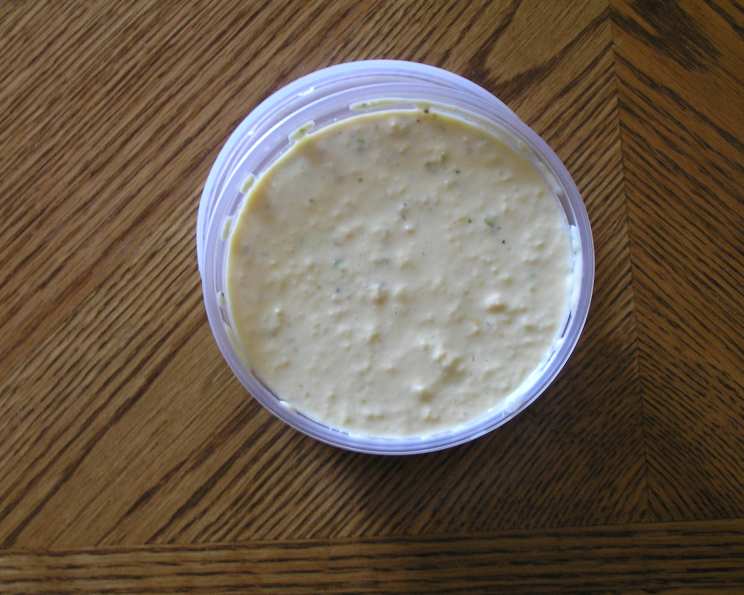
Rabri: A Culinary Embrace of Simplicity and Sweetness
My earliest and fondest culinary memories are often intertwined with the scent of simmering milk and the promise of something sweet. Growing up, visits to Devghar, a special religious place, were a highlight not just for the spiritual solace, but also for the exquisite, often simple, yet profoundly delicious food served there. Among these treats, Rabri held a special place in my heart. It was more than just a dessert; it was a taste of tradition, a reminder of those serene moments, and an embodiment of how humble ingredients could transform into something truly divine. The magic of Rabri lies in its straightforward preparation, requiring little more than patience and a watchful eye, allowing even the most novice cook to recreate that devotional sweetness at home, anytime the craving strikes.
Recipe Overview
- Prep Time: 10 minutes
- Cook Time: 1 hour 15 minutes
- Total Time: 1 hour 25 minutes
- Servings: 7-8
- Yield: Approximately 4 cups
- Dietary Type: Vegetarian, Dairy
Ingredients
- 8 cups whole milk
- 1 cup half-and-half
- 3 tablespoons sugar
- 1 teaspoon cardamom powder
- 1 tablespoon crushed pistachios
Equipment Needed
- A large, heavy-bottomed, non-stick pan or pot (this is crucial to prevent scorching)
- A spatula or wooden spoon for stirring
- Measuring cups and spoons
- A refrigerator for chilling
Instructions
The creation of Rabri is a testament to the beauty of slow cooking and the transformation that heat and time can bring to milk. It’s a process that requires your presence and attention, but the reward is a dessert that is unparalleled in its creamy richness and delicate sweetness.
-
Begin the Milk Base: Pour the 8 cups of whole milk and 1 cup of half-and-half into a large, heavy-bottomed, non-stick pan. A non-stick surface is highly recommended to minimize the risk of the milk sticking and burning, which can impart an undesirable flavor. A heavy-bottomed pot also distributes heat more evenly, further aiding in preventing scorching.
-
Initiate the Simmering: Place the pan over a medium flame. The key here is to bring the milk to a gentle boil, and then to maintain a consistent, low simmer. This process encourages the milk to reduce and thicken, creating the signature creamy texture of Rabri.
-
The Watchful Eye: As the milk begins to heat and approach a boil, and throughout the simmering process, it is imperative to keep a constant eye on it. You will notice a layer of cream forming on the surface. Gently push this cream towards the edges of the pan, allowing it to collect and build up. This is what gives Rabri its characteristic layers and delightful richness. Stir the milk frequently to prevent any milk from sticking to the bottom of the pan and scorching. Scorched milk will unfortunately ruin the delicate flavor of the Rabri.
-
Achieving the Perfect Consistency: Continue to simmer the milk, stirring and scraping down the sides of the pan to incorporate the accumulated cream. This process will take approximately 1 hour to 1 hour and 15 minutes. You are looking for the milk to reduce by about one-third to one-half of its original volume, resulting in a noticeably thicker, richer liquid. When you can draw a line through the milk with your spatula and it holds its shape for a moment, you’re nearing the right consistency.
-
Sweetening the Cream: Once the milk has reached the desired thick consistency, mix in the 3 tablespoons of sugar. Stir continuously until the sugar is completely dissolved. Be sure to taste a small amount to confirm the sweetness; you can add a touch more sugar if you prefer it sweeter, but remember that the flavors will concentrate further as it cools.
-
Cooling Down: Turn off the heat and allow the Rabri to cool in the pan. You can stir it occasionally as it cools to prevent a thick skin from forming on the very top. This gradual cooling helps to further meld the flavors and set the creamy texture.
-
Infusing with Flavor: Once the Rabri has reached room temperature, it’s time to add the aromatic elements. Mix in the 1 teaspoon of cardamom powder and the 1 tablespoon of crushed pistachios. Stir gently to distribute these flavorings evenly throughout the thickened milk. The cardamom adds a warm, fragrant spice, while the pistachios provide a subtle nutty crunch and visual appeal.
-
Chilling for Perfection: Transfer the cooled Rabri to a clean, airtight container. Keep it in the fridge for at least 2-3 hours before serving. Chilling is essential for Rabri to achieve its final, desired consistency and to allow the flavors to fully develop.
-
Enjoying the Delight: Rabri is best enjoyed when chilled. Serve it in small bowls.
Expert Tips & Tricks
- The Pan is Your Partner: Do not underestimate the importance of a good, heavy-bottomed, non-stick pan. It’s your best defense against burning the milk. If you don’t have non-stick, a well-seasoned cast iron or a thick stainless steel pot can work, but you’ll need to stir even more vigilantly.
- Patience is a Virtue: Rabri is not a dessert to rush. The slow reduction is what creates its luxurious texture. If you try to speed up the process by increasing the heat, you risk scorching the milk.
- Scrape, Scrape, Scrape: Make it a habit to scrape the sides of the pan where the cream accumulates and push it back into the milk. This layer of cream is key to the rich, malai-like texture that defines authentic Rabri.
- Flavor Variations: While cardamom and pistachios are classic, feel free to experiment. A pinch of saffron strands steeped in warm milk added during the cooling stage can impart a beautiful color and aroma. A drop of rose water stirred in at the very end can offer a floral nuance.
- Sugar Adjustment: The sweetness of Rabri is a personal preference. It’s always best to add the sugar towards the end of cooking, allowing you to adjust it to your liking after the milk has reduced and the flavors have concentrated.
Serving & Storage Suggestions
Rabri is a decadent dessert meant to be savored. It is traditionally served chilled in small individual bowls. The crushed pistachios not only add flavor but also a beautiful visual garnish. For an extra touch of elegance, you can garnish each serving with a few whole slivered pistachios or edible rose petals.
Leftover Rabri can be stored in an airtight container in the refrigerator for up to 1 week. It will continue to thicken slightly as it chills. If it becomes too thick upon storage, you can stir in a tablespoon or two of cold milk to loosen it to your desired consistency before serving. Rabri does not typically freeze well, as the texture can become grainy upon thawing.
Nutritional Information
| Nutrient | Amount per Serving | % Daily Value |
|---|---|---|
| Calories | 240.2 kcal | |
| Calories from Fat | 121 kcal | 15% |
| Total Fat | 13.6 g | 20% |
| Saturated Fat | 7.7 g | 38% |
| Cholesterol | 40.7 mg | 13% |
| Sodium | 125.8 mg | 5% |
| Total Carbohydrate | 20 g | 6% |
| Dietary Fiber | 0.2 g | 0% |
| Sugars | 20.2 g | 80% |
| Protein | 10.3 g | 20% |
(Note: Nutritional values are estimates and can vary based on specific ingredient brands and portion sizes.)
Variations & Substitutions
While the classic Rabri recipe is simple and perfect as is, there’s always room for creativity. For a slightly lighter version, you could reduce the amount of half-and-half, though this will slightly alter the richness. Some adventurous cooks have experimented with plant-based milks, but achieving the same creamy thickness and authentic flavor can be challenging due to differences in fat and protein content. If you do venture into plant-based milks, a full-fat coconut milk or cashew milk might offer the closest results, but expect a nuanced flavor profile.
FAQs
Q: Why is my Rabri not thickening?
A: Ensure you are using whole milk and half-and-half for the best results. Simmering on low to medium heat for a sufficient amount of time (around 1 hour to 1 hour 15 minutes) is crucial for reduction and thickening. Make sure you’re not stirring too vigorously, which can break down the cream solids that form.
Q: Can I make Rabri with skim milk?
A: While technically possible, using skim milk will result in a less rich and creamy Rabri. The fat content in whole milk and half-and-half is essential for achieving the characteristic texture and flavor.
Q: How do I prevent the milk from sticking or burning?
A: Using a heavy-bottomed, non-stick pan is the most effective method. Stirring frequently and scraping the bottom and sides of the pan are also vital. If you notice any sticking, reduce the heat immediately and stir gently to dislodge it.
Q: Can I make Rabri ahead of time?
A: Yes, Rabri is an excellent make-ahead dessert. It can be made up to a week in advance and stored in the refrigerator, allowing the flavors to meld beautifully. It will thicken further as it chills.
Q: Is it okay to add more sugar?
A: Absolutely. The amount of sugar is a matter of personal preference. Add it towards the end of the cooking process so you can taste and adjust it to your liking. Remember that the sweetness will be more pronounced once the Rabri is chilled.
Rabri, in its elegant simplicity, is a dessert that speaks volumes. It’s a dish that rewards patience and attention, offering a taste of pure, unadulterated comfort. Whether you’re making it to honor a special occasion or simply to bring a moment of sweet serenity into your day, I encourage you to try this recipe. Let the gentle simmer of the milk fill your kitchen with warmth, and savor the exquisite taste of this timeless Indian delicacy. It pairs beautifully with a cup of hot, spiced chai or even a crisp, dry wine. Share it with loved ones, or enjoy it as a quiet moment of indulgence for yourself.