
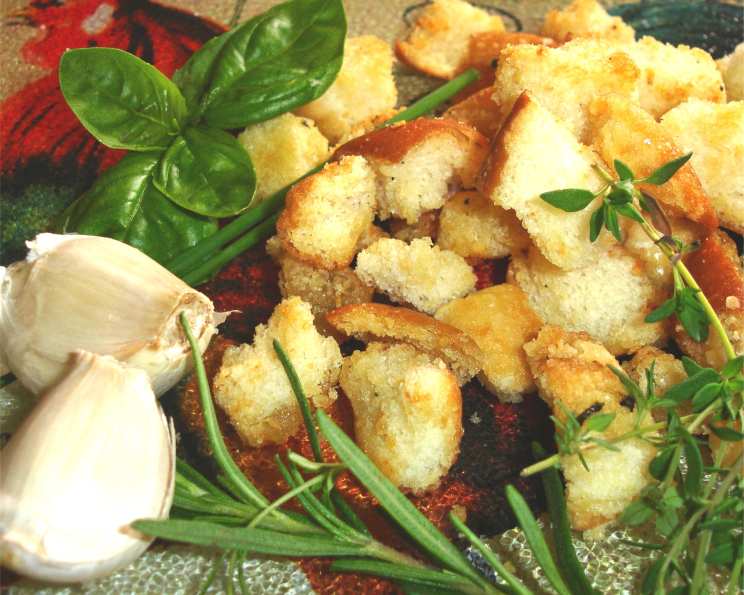
Rachael Ray’s Sourdough Croutons: The Crispy Foundation of a Perfect Salad
There’s something truly magical about the humble crouton, isn’t there? It’s the unsung hero of countless salads, the crunchy counterpoint to tender greens, and the satisfying bite that elevates a simple dish into something truly special. For me, the memory of perfect croutons is inextricably linked to a vibrant Caesar salad, a dish my grandmother used to prepare on special occasions. The crunch, the savory garlic notes, the slight tang of the sourdough – it was pure bliss. Now, with Rachael Ray’s brilliant sourdough crouton recipe, I’ve found a way to recreate that experience, and even surpass it, using bread that might otherwise be destined for the bin. This recipe has become a staple in my kitchen, a testament to how simple ingredients, treated with a little love, can create something extraordinary.
Recipe Overview
- Prep Time: 10 minutes
- Cook Time: 15-25 minutes
- Total Time: 25-35 minutes
- Servings: 4
- Yield: 3 cups cubed sourdough bread
- Dietary Type: Vegetarian
Ingredients
At the heart of these exceptional croutons are just a few high-quality ingredients. The star, of course, is the sourdough bread, chosen for its wonderful chew and inherent tang that bakes up beautifully.
- 3 cups cubed sourdough bread (about 1-inch cubes)
- 2 tablespoons extra virgin olive oil
- 1 tablespoon butter
- 2 garlic cloves, crushed
- 1 teaspoon coarse black pepper
- 1/2 cup grated Parmesan cheese
- 2 tablespoons chopped fresh thyme (or 1 1/2 teaspoons dried thyme)
Ingredient Notes:
- Sourdough Bread: Day-old or even slightly stale sourdough is ideal. The slightly drier texture helps it crisp up perfectly. If you don’t have sourdough, any crusty bread will work, but the signature tang will be missed.
- Garlic: Crushing the garlic cloves gently releases their aromatic oils without burning them during the initial warming.
- Thyme: Fresh thyme offers a brighter, more vibrant flavor, but dried thyme is a perfectly acceptable substitute. If using dried, be sure to crush it between your fingers to release its oils before adding.
Equipment Needed
For this straightforward recipe, you won’t need any fancy gadgets. Just a few kitchen essentials will do the trick:
- A large mixing bowl
- A small saucepan or skillet
- A baking sheet
- A spatula or large spoon for tossing
Instructions
The beauty of this recipe lies in its simplicity. By following these steps, you’ll transform humble bread into a treasure for your salads and soups.
- Preheat your oven: Begin by setting your oven to 325 degrees Fahrenheit (160 degrees Celsius). Ensuring your oven is at the correct temperature before baking is crucial for even cooking and achieving the desired crispness.
- Infuse the oil: In a small saucepan or skillet, combine the 2 tablespoons of extra virgin olive oil with the 2 crushed garlic cloves. Heat this mixture over low heat. The goal here is to gently warm the oil and allow the garlic to infuse its flavor, not to fry the garlic. Continue this process until the garlic is fragrant and the oil has absorbed its essence. This typically takes just a few minutes.
- Melt the butter: Once the garlic has infused, add the 1 tablespoon of butter to the warm oil. Stir gently until the butter is completely melted and incorporated into the oil. Remove the pan from the heat. You can discard the crushed garlic cloves at this stage, or if you prefer a more intense garlic flavor, you can leave them in.
- Coat the bread: Place the 3 cups of cubed sourdough bread into a large mixing bowl. Drizzle the warm garlic-infused oil and butter mixture over the bread cubes. Using a spatula or large spoon, toss the bread cubes thoroughly to ensure each piece is evenly coated with the flavorful oil and butter. This coating is what will help them crisp up and develop a golden hue.
- Season generously: Now, it’s time to add the flavor enhancers. Season the bread cubes with the 1 teaspoon of coarse black pepper, the 1/2 cup of grated Parmesan cheese, and the 2 tablespoons of chopped fresh thyme (or its dried equivalent). Toss everything together again, making sure the seasonings are distributed evenly throughout the bowl of bread cubes.
- Prepare for baking: Spread the seasoned croutons in a single layer onto a baking sheet. It’s important that the croutons are not piled on top of each other; this allows for better air circulation and ensures that all sides of the bread cubes become crispy.
- Bake to perfection: Place the baking sheet into the preheated oven. Bake for 15 to 25 minutes, or until the croutons are crisp and golden brown. Keep a close eye on them, especially in the latter stages of baking, as ovens can vary and croutons can go from perfectly crisp to burned very quickly. Give the baking sheet a gentle shake about halfway through the baking time to ensure even browning.
Expert Tips & Tricks
Transforming these croutons from good to absolutely exceptional is all about a few chef-level insights.
- The Bread Matters: While any bread can be used, the slightly chewy texture and tangy flavor of sourdough are truly unparalleled for croutons. If your bread is very fresh, you might consider toasting it lightly in a low oven for 10-15 minutes before cubing to dry it out a bit, which will result in an even crispier crouton.
- Garlic Infusion is Key: Don’t rush the garlic infusion. Low and slow is the mantra here. This gently coaxes the flavor out of the garlic without scorching it, which can lead to a bitter taste. You can even leave the garlic cloves in during the tossing and baking for an extra punch of garlic, just be mindful they might char.
- Even Coating is Crucial: The success of your croutons hinges on ensuring every single piece of bread is touched by that delicious oil and butter mixture. Take the time to really toss them well in the bowl. If you have a particularly large batch, consider using two bowls to avoid overcrowding.
- The “Golden Rule” of Baking: Ovens are notoriously inconsistent. My best advice is to start checking your croutons around the 15-minute mark. Look for a beautiful, even golden-brown color and a firm texture. If one side is browning faster, rotate the baking sheet. If some pieces are done before others, carefully remove the finished ones and let the rest continue to bake.
- Don’t Over-Season (at first): While the recipe provides specific measurements, remember you can always add more pepper or Parmesan. It’s harder to take away! Taste a cooled crouton after the initial seasoning toss to gauge if it needs a little more of anything.
Serving & Storage Suggestions
These golden nuggets of flavor are incredibly versatile.
Serving:
Serve your freshly baked sourdough croutons immediately while they are still warm and at their crispiest. They are the perfect accompaniment to a wide range of salads, from a classic Caesar to a vibrant chopped salad or a hearty lentil salad. They also make a delightful crunchy topping for creamy soups, especially tomato bisque, French onion, or any vegetable purée. For a more adventurous snack, enjoy them straight from the baking sheet – they’re that good!
Storage:
Once completely cooled, store your sourdough croutons in an airtight container at room temperature. They will retain their crispness for 2 to 3 days. If humidity is high in your area, or if you want them to last a bit longer, you can store them in the refrigerator, though they might lose a touch of their crispness. For longer storage, spread them on a baking sheet and freeze them until solid, then transfer them to a freezer-safe bag or container for up to 2 to 3 months. To reheat frozen croutons, spread them on a baking sheet and warm them in a 300°F (150°C) oven for about 5-10 minutes, or until crisp again.
Nutritional Information
Here’s an estimated breakdown of the nutritional value for a serving of these delicious sourdough croutons. Please note that these are approximate values and can vary based on the exact ingredients used.
| Nutrient | Amount per Serving | % Daily Value |
|---|---|---|
| Calories | 150-170 kcal | 8-9% |
| Total Fat | 8-10 g | 10-13% |
| Saturated Fat | 3-4 g | 15-20% |
| Cholesterol | 10-15 mg | 3-5% |
| Sodium | 150-200 mg | 6-9% |
| Total Carbohydrate | 15-18 g | 5-6% |
| Dietary Fiber | 1-2 g | 4-7% |
| Sugars | <1 g | <1% |
| Protein | 5-6 g | 10-12% |
Variations & Substitutions
While these croutons are perfect as is, there’s always room for creativity in the kitchen!
- Herb Garden Magic: Experiment with other fresh herbs! Rosemary, sage, or a mix of Italian herbs like oregano and basil would all be wonderful additions. If using dried herbs, remember that 1 teaspoon of fresh herbs is roughly equivalent to 1/3 teaspoon of dried herbs.
- Spicy Kick: For those who enjoy a little heat, add a pinch of red pepper flakes to the oil mixture before tossing with the bread.
- Garlic Lover’s Dream: If you are a true garlic aficionado, consider adding a teaspoon of garlic powder along with the salt and pepper. You could also leave the crushed garlic cloves in during baking for an intensified flavor.
- Cheesy Alternatives: While Parmesan is classic, other hard, salty cheeses like Pecorino Romano or even a sharp cheddar can offer a delightful twist.
- Gluten-Free Option: For those avoiding gluten, this recipe works beautifully with your favorite gluten-free sourdough or a crusty gluten-free baguette. The toasting and crisping process remains the same.
FAQs
Q: Can I use regular white bread instead of sourdough?
A: Absolutely! While sourdough offers a unique tang, any crusty bread, like a baguette or ciabatta, will work well. Stale bread is best for achieving maximum crispness.
Q: My croutons aren’t crisp enough. What went wrong?
A: This usually happens if the bread wasn’t dry enough to begin with, or if it was overcrowded on the baking sheet, preventing proper air circulation. Ensure your bread is a day old, and spread the croutons in a single layer. Baking for a few minutes longer, keeping a close watch, can also help.
Q: How do I store leftover croutons?
A: Store cooled croutons in an airtight container at room temperature for up to 3 days. For longer storage, freeze them.
Q: Can I make these croutons without butter?
A: Yes, you can omit the butter and simply use 3 tablespoons of extra virgin olive oil. The flavor and texture will be slightly different but still delicious.
Q: How can I get extra garlicky croutons?
A: To intensify the garlic flavor, you can leave the crushed garlic cloves in the oil mixture during the warming process and even toss them with the bread. Alternatively, add a teaspoon of garlic powder when seasoning the bread.
A Final Bite
There’s a certain satisfaction in creating something so simple yet so impactful. Rachael Ray’s Sourdough Croutons are a testament to that culinary truth. They’re more than just a salad topping; they are a crunchy, flavorful punctuation mark that brings joy to any dish. Whether you’re jazzing up a weeknight salad or preparing for a special occasion, these croutons are sure to impress. So, the next time you find yourself with a loaf of slightly past-its-prime sourdough, don’t relegate it to the compost bin. Give it new life with this incredibly easy and rewarding recipe. Whip up a batch, toss them with your favorite salad or soup, and savor the delightful crunch!