
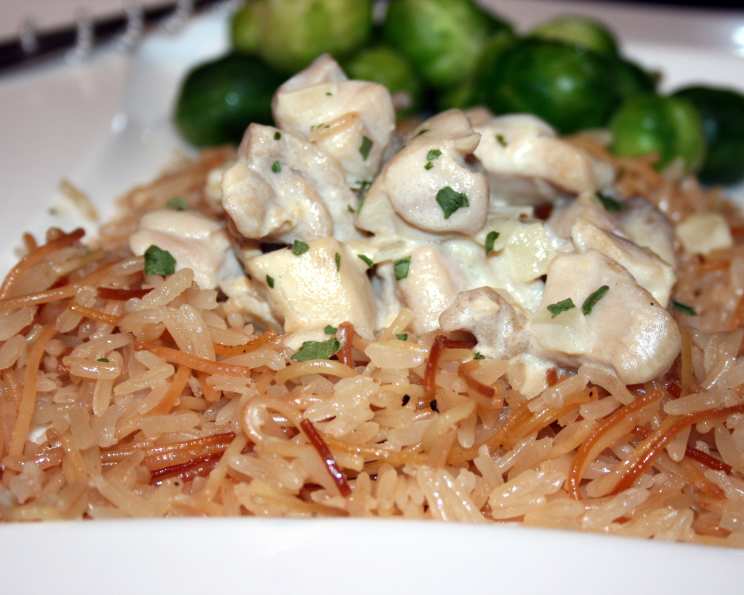
Rachael Ray’s Simple & Savory Rice Pilaf: A Culinary Comfort
I remember the first time I truly appreciated the humble rice pilaf. It wasn’t in a fancy restaurant, but during a bustling weeknight at home, where time was as precious as the aroma wafting from the stovetop. Rachael Ray, a culinary force of nature, had shared a recipe that promised elegance without the fuss, and it delivered. That moment, watching the grains transform into something more fragrant and satisfying, cemented my love for this adaptable side dish. It’s the kind of recipe that feels like a warm hug on a plate, perfect for elevating everyday meals.
Recipe Overview
- Prep Time: 5 minutes
- Cook Time: 23 minutes
- Total Time: 28 minutes
- Servings: 2-4
- Yields: Approximately 3 cups
- Dietary Type: Vegetarian adaptable
Ingredients
- 2 tablespoons butter
- 1/3 cup thin spaghetti, broken into 1-inch pieces
- 3/4 cup white rice
- 1 1/2 cups chicken broth (or vegetable broth for a vegetarian option)
- Salt, to taste
- Pepper, to taste
Equipment Needed
- Medium saucepan with a lid
Instructions
- Begin by melting the butter in a medium saucepan over moderate heat. This initial step is crucial for building the foundational flavor of the pilaf.
- Once the butter has melted and is slightly shimmering, add the thin spaghetti, broken into roughly 1-inch pieces. Toast these spaghetti bits and the white rice together. Stir them frequently to ensure even browning. This process typically takes 3 to 5 minutes, and you’re looking for a beautiful golden-brown hue. The toasting of the rice and pasta is a key step that imparts a delightful nutty flavor and a more pleasing texture to the finished pilaf, preventing it from becoming mushy.
- Once the rice and spaghetti have achieved a lovely golden color, it’s time to introduce the liquid. Pour in the 1 1/2 cups of chicken broth. Season generously with salt and pepper to your preference. Bring the entire mixture to a full boil.
- As soon as the liquid reaches a rolling boil, immediately cover the pot tightly with its lid. Reduce the heat to its lowest setting, just enough to maintain a gentle simmer. Let the pilaf cook undisturbed for approximately 18 minutes. Resist the urge to lift the lid during this time, as it allows the steam to escape and can disrupt the cooking process.
- After 18 minutes have passed, remove the saucepan from the heat (still covered). Allow it to rest, covered, for an additional 5 minutes. This resting period is vital for the rice to finish steaming and absorb any remaining moisture, ensuring perfectly fluffy grains.
- Finally, fluff the rice pilaf with a fork. Gently separate the grains, incorporating the softened spaghetti strands throughout. Serve immediately.
Expert Tips & Tricks
The beauty of this rice pilaf lies in its simplicity, but a few chef’s touches can elevate it further. For instance, the quality of your broth makes a significant difference. Opt for a low-sodium, high-quality chicken broth or, if making it vegetarian, a robust vegetable broth. Tasting and adjusting the salt and pepper after the pilaf has cooked is also advisable, as the broth itself contains sodium. If you find your pilaf is a bit too wet, you can always let it sit uncovered for a few extra minutes after fluffing to allow excess moisture to evaporate. Conversely, if it seems a touch dry, a tablespoon or two of extra warm broth can be stirred in.
Serving & Storage Suggestions
This rice pilaf is incredibly versatile and pairs beautifully with a wide array of dishes. It’s a stellar accompaniment to roasted meats, grilled fish, hearty stews, or even as a light and satisfying vegetarian main course when served with sautéed vegetables. To serve it attractively, ensure you fluff it well with a fork to create a light and airy texture. A sprinkle of fresh parsley or chives can add a touch of color and freshness.
Leftovers can be stored in an airtight container in the refrigerator for up to 3 days. To reheat, gently warm it in a saucepan over low heat with a splash of water or broth, or microwave it until heated through, stirring halfway. Avoid overheating, which can lead to a gummy texture.
Nutritional Information
This nutritional information is an estimation and can vary based on specific ingredient brands and portion sizes.
| Nutrient | Amount per Serving (approx.) | % Daily Value |
|---|---|---|
| Calories | 387.8 kcal | – |
| Calories from Fat | 116 kcal | – |
| Total Fat | 12.9 g | 19% |
| Saturated Fat | 7.7 g | 38% |
| Cholesterol | 30.5 mg | 10% |
| Sodium | 666.2 mg | 27% |
| Total Carbohydrate | 57.4 g | 19% |
| Dietary Fiber | 1.9 g | 7% |
| Sugars | 0.5 g | 2% |
| Protein | 8.5 g | 17% |
Variations & Substitutions
While the classic combination is delightful, there are numerous ways to personalize this pilaf. For a vegetarian or vegan version, simply swap the chicken broth for vegetable broth and the butter for olive oil or vegan butter. You can also infuse additional flavors during the toasting phase by adding finely chopped shallots or garlic along with the rice and spaghetti. For a touch of sweetness and texture, stir in some toasted slivered almonds or pine nuts just before serving. Dried herbs like thyme or rosemary can also be added with the broth for an aromatic twist.
FAQs
Q: Can I use brown rice instead of white rice?
A: While you can, brown rice requires a longer cooking time and potentially more liquid. This recipe is specifically formulated for white rice for the stated cooking times.
Q: My pilaf seems a bit dry. What did I do wrong?
A: You may have lifted the lid too often during cooking, or your simmer might have been too low. Ensure the lid is sealed tightly and the simmer is consistent. A little extra warm broth can help after cooking.
Q: Can I add vegetables to this pilaf?
A: Yes! Finely diced carrots, peas, or corn can be added along with the broth. Ensure they are cut small enough to cook through in the allotted time.
Q: How can I make this pilaf more flavorful?
A: Using a high-quality broth is key. You can also sauté minced garlic or finely chopped onion in the butter before adding the rice and spaghetti for an extra layer of flavor.
Q: Is it okay to make a larger batch?
A: Absolutely. You can double or even triple the recipe, but ensure you use a larger, appropriately sized saucepan to maintain even cooking.
Final Thoughts
Rachael Ray’s Rice Pilaf is a testament to how simple ingredients, prepared with a little attention, can yield extraordinary results. It’s more than just a side dish; it’s a culinary building block that brings comfort and sophistication to any meal. Whether you’re a seasoned cook or just starting your journey in the kitchen, this recipe is a reliable friend. I encourage you to try it, experiment with your own flavorful additions, and share the deliciousness. It’s a dish that truly sings, especially when served alongside a beautifully roasted chicken or a vibrant, seasonal vegetable medley. Happy cooking!