
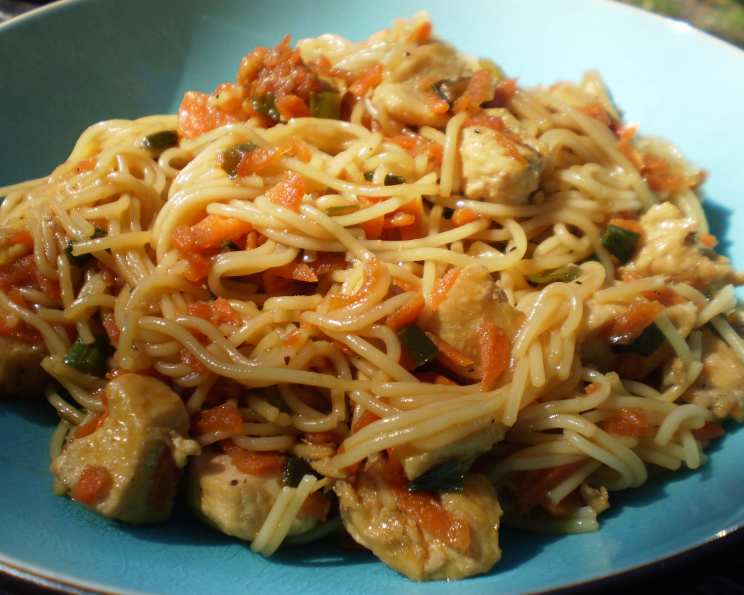
Rachael Ray’s Yakitori Noodle Bowls – Remixed: A Weeknight Wonder
There are some dishes that just sing to you from the television screen – they beckon with vibrant colors, promise of satisfying flavors, and the allure of effortless execution. Rachael Ray’s Yakitori Noodle Bowls have always been one of those for me. I remember watching her whip it up on her show, the steam rising, the chicken glistening, and my stomach did a happy little rumble. Life, as it often does, intervened, and I didn’t have all the exact ingredients the show called for that day. But that’s the beauty of cooking, isn’t it? It’s a dance between tradition and improvisation. So, I decided to remix it, a little bit here, a little bit there, and it turned out to be a weeknight savior that’s become a firm favorite in my own kitchen.
Recipe Overview
- Prep Time: 35 minutes
- Cook Time: 35 minutes
- Total Time: 70 minutes
- Servings: 3-5
- Yield: Noodle Bowls
- Dietary Type: Adaptable (can be made gluten-free with tamari and GF noodles)
Ingredients
For a truly satisfying and flavorful bowl, gather these components:
- 1 lb whole wheat spaghetti
- 1 lb boneless chicken breast, cut into bite-sized pieces
- 2 teaspoons fresh ginger, grated
- Salt, to taste
- Pepper, to taste
- 6-7 scallions (one bunch), cut into small pieces
- 1 cup carrot, grated
- 1/3 cup chicken stock
- 1/4 cup soy sauce (or tamari for gluten-free)
- 1/4 cup teriyaki sauce
- 1/2 tablespoon cornstarch
- 2 tablespoons sugar (or 2 tablespoons Splenda granular for a lower-sugar option)
- Toasted sesame seeds, for optional garnish
Equipment Needed
While this recipe is wonderfully straightforward, having these tools on hand will make the process smoother:
- A large pot for cooking pasta
- A large skillet or wok for stir-frying
- Measuring cups and spoons
- A grater for ginger and carrots
- A whisk for the sauce
Instructions
This dish comes together with a beautiful synergy, much like a well-conducted orchestra. Here’s how to bring it to life:
- Begin by cooking the pasta. Bring a large pot of salted water to a rolling boil. Add the whole wheat spaghetti and cook according to the package directions until al dente. Once cooked, drain the pasta thoroughly.
- While the pasta is working its magic, shift your attention to the flavor base. In your large skillet or wok, add a splash of oil (if needed, depending on your pan) and heat it over medium-high heat. Add the bite-sized pieces of boneless chicken breast.
- Season the chicken generously with salt and pepper. Brown the chicken on all sides until it’s no longer pink.
- Once the chicken is beautifully browned, introduce the aromatics and vegetables. Add the grated fresh ginger, the cut scallions, and the grated carrot to the skillet with the chicken. Cook for a moment, stirring frequently, allowing the vegetables to soften slightly and release their fragrance.
- Now, it’s time to build the luscious sauce that will coat every strand of pasta. In a small bowl, whisk together the chicken stock, soy sauce (or tamari), teriyaki sauce, cornstarch, and sugar (or Splenda). Ensure the cornstarch is fully dissolved to prevent lumps.
- Pour this beautifully blended sauce mixture into the skillet with the chicken and vegetables. Bring the sauce to a boil, stirring constantly.
- Once boiling, reduce the heat to a simmer. Allow the sauce to thicken gently, continuing to cook until it reaches your desired consistency and the pasta is cooked through.
- Finally, the grand finale! Drain the cooked pasta thoroughly if you haven’t already. Add the drained spaghetti directly to the skillet with the chicken and sauce mixture.
- Stir everything together with gusto, ensuring every strand of pasta is coated in the savory yakitori sauce and mingling with the tender chicken and vibrant vegetables.
- Serve immediately in individual bowls. For an extra touch of texture and visual appeal, sprinkle with toasted sesame seeds if desired.
Expert Tips & Tricks
To elevate your Yakitori Noodle Bowls from delicious to truly exceptional, consider these culinary nuances:
- The Chicken Cut: While boneless, skinless chicken breast is specified, feel free to use boneless, skinless chicken thighs for a richer, more tender result. Just be sure to trim any excess fat.
- Ginger Power: Freshly grated ginger is key here. Pre-minced ginger from a jar often lacks the pungent zing that fresh ginger provides.
- Cornstarch Slurry: Always whisk the cornstarch with a cold liquid before adding it to a hot sauce. This prevents clumping and ensures a smooth, velvety texture. If your sauce happens to be a little thin, you can always create another small slurry (1 teaspoon cornstarch mixed with 2 teaspoons cold water) and whisk it into the simmering sauce until thickened.
- Vegetable Boost: Don’t be afraid to add other quick-cooking vegetables! Thinly sliced bell peppers, snap peas, or broccoli florets can be added along with the scallions and carrots for an even more nutrient-dense bowl.
- Pasta Perfection: Cook your pasta until it’s perfectly al dente. It will continue to cook slightly when tossed with the hot sauce, so avoid overcooking it in the initial stage.
Serving & Storage Suggestions
These Yakitori Noodle Bowls are best enjoyed fresh, right off the stove, when the noodles are perfectly coated and the flavors are at their peak. For an appealing presentation, ladle the pasta mixture generously into shallow bowls. A sprinkle of those optional toasted sesame seeds adds a delightful crunch and visual contrast.
Leftovers can be stored in an airtight container in the refrigerator for 2-3 days. The sauce might thicken further upon chilling, so when reheating, you may want to add a tablespoon or two of water or chicken stock to loosen it up. Gently reheat in a skillet over medium-low heat, or in the microwave, stirring occasionally until heated through.
Nutritional Information
Here’s an approximate breakdown of the nutritional content per serving. Please note that these values are estimates and can vary based on specific ingredient brands and quantities used.
| Nutrient | Amount per Serving | % Daily Value |
|---|---|---|
| Calories | 900.4 kcal | |
| Calories from Fat | ||
| Total Fat | 16.6 g | 25% |
| Saturated Fat | 4.5 g | 22% |
| Cholesterol | 97.7 mg | 32% |
| Sodium | 2440.8 mg | 101% |
| Total Carbohydrate | 136.2 g | 45% |
| Dietary Fiber | 2.2 g | 8% |
| Sugars | 15.3 g | 61% |
| Protein | 59.4 g | 118% |
Variations & Substitutions
The beauty of this remixed recipe is its adaptability. Here are a few ideas to make it your own:
- Gluten-Free: For a completely gluten-free version, substitute the whole wheat spaghetti with your favorite gluten-free pasta (rice noodles, quinoa pasta, or even shirataki noodles work well) and use tamari instead of soy sauce.
- Protein Power: While chicken is fantastic, shrimp, pork tenderloin, or even firm tofu cut into cubes would be excellent protein swaps. Adjust cooking times accordingly.
- Spicy Kick: Add a pinch of red pepper flakes or a drizzle of sriracha to the sauce for a touch of heat.
- Sesame Seed Infusion: For an even nuttier flavor, consider adding a teaspoon of sesame oil to the sauce.
FAQs (Frequently Asked Questions)
Q: Can I make the sauce ahead of time?
A: Yes, you can whisk together the sauce ingredients (stock, soy sauce, teriyaki sauce, cornstarch, and sugar) up to a day in advance and store it in the refrigerator. Give it a good whisk before adding it to the skillet.
Q: What kind of noodles are best if I can’t find whole wheat spaghetti?
A: Any long pasta will work beautifully, such as regular spaghetti, linguine, or even ramen noodles (though you might adjust the cooking time).
Q: My sauce isn’t thickening. What should I do?
A: Ensure the cornstarch was fully dissolved before adding it to the sauce. If it’s still too thin, you can create another small slurry (1 teaspoon cornstarch mixed with 2 teaspoons cold water) and whisk it into the simmering sauce until it reaches your desired thickness.
Q: How do I prevent the chicken from drying out?
A: Be careful not to overcook the chicken. Brown it until it’s just cooked through, and it will continue to cook gently in the sauce. Cutting the chicken into uniform, bite-sized pieces helps ensure even cooking.
Q: Is this dish spicy?
A: As written, this recipe is not spicy. However, you can easily add heat by incorporating red pepper flakes or a chili sauce into the sauce mixture or as a garnish.
Final Thoughts
This remixed Yakitori Noodle Bowl is a testament to the joy of cooking: taking inspiration and making it your own. It’s a dish that’s as comforting as it is vibrant, perfect for a busy weeknight when you crave something flavorful and satisfying without a fuss. The interplay of the savory-sweet sauce, tender chicken, and hearty noodles creates a symphony of textures and tastes that will have everyone asking for seconds. So, give this recipe a whirl, and don’t hesitate to add your own signature touches. Happy cooking!