
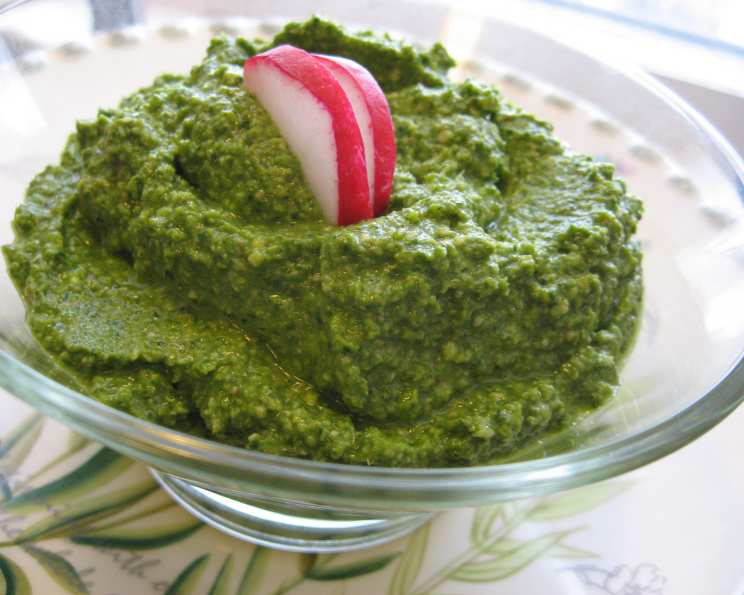
Radish Leaf Pesto: A Burst of Earthy Goodness from Your Garden
There’s a unique satisfaction in transforming often-overlooked ingredients into something truly delicious. I remember my first encounter with radish leaves, staring at a vibrant bunch from my local farmer’s market, their peppery aroma promising more than just a garnish. A question sparked: could these attractive, admittedly slightly bitter leaves be more than just compost fodder? This pesto was the delightful answer, a testament to culinary resourcefulness and a reminder that great flavor often hides in plain sight. While it won’t be mistaken for its basil-based cousin, this radish leaf pesto offers its own distinct charm, a peppery, slightly tart profile that sings on the palate. It’s a fantastic way to get double the value from your produce, turning one humble vegetable into two vibrant dishes.
Recipe Overview
- Prep Time: 15 minutes
- Cook Time: 0 minutes
- Total Time: 15 minutes
- Servings: 6-8
- Yield: Approximately 2 cups
- Dietary Type: Vegetarian, potentially Vegan (see variations)
Ingredients
- 2-3 cups radish tops, roughly chopped (ensure they are bright and crisp, discarding any wilted or discolored leaves)
- 2-3 garlic cloves, quartered
- 2 tablespoons olive oil, plus more if needed
- 2 tablespoons lemon juice, fresh squeezed is always best
- 1 teaspoon white sugar
- 3 tablespoons Parmesan cheese, finely grated (optional, for vegetarian version)
- 2 tablespoons pine nuts, lightly toasted for enhanced flavor (optional)
- Salt, to taste
- Freshly ground black pepper, to taste
Equipment Needed
- Food processor
- Measuring cups and spoons
- Sharp knife and cutting board (for prepping radish tops)
Instructions
- Begin by preparing your radish tops. Separate the vibrant, crisp leaves from the radish roots. If you grew your own or sourced them from a farmer’s market, you’ll likely have the freshest, most flavorful greens. Thoroughly wash the leaves under cool running water, and then gently pat them dry with clean kitchen towels or a salad spinner. Once dry, roughly chop them to make them easier to process.
- Place the radish tops, quartered garlic cloves, olive oil, and lemon juice into the bowl of your food processor.
- Pulse the ingredients until they form a thick paste. You may need to scrape down the sides of the bowl a few times to ensure everything is well incorporated. If you find the mixture is too thick for your liking and want a looser consistency, add more olive oil, a tablespoon at a time, pulsing after each addition until you reach your desired texture.
- Next, add the white sugar, Parmesan cheese (if using), and pine nuts (if using) to the food processor.
- Pulse again to combine these ingredients thoroughly with the radish and garlic base.
- Now it’s time to season. Add salt and freshly ground black pepper to taste. Pulse a few more times to distribute the seasonings evenly.
- Taste the pesto. If you find it’s still a bit too bitter for your preference, add an additional ½ teaspoon of sugar and pulse briefly to incorporate. The goal is to achieve a pleasant, slightly peppery, and tart balance, akin to the delightful bite of arugula. Continue to adjust salt, pepper, and sugar until you find the perfect harmony that suits your palate.
- Once the flavor is to your liking, transfer the pesto to an airtight container. Chill the pesto in the refrigerator for at least 30 minutes. This chilling period allows the flavors to meld and deepen, enhancing the overall taste of the pesto.
Expert Tips & Tricks
Transforming radish tops into a delicious pesto is all about balancing their inherent peppery notes. Don’t shy away from the sugar; it’s the secret weapon that tames the bitterness without making the pesto sweet. A whisper of sweetness, combined with the bright acidity of lemon juice, creates a complex and engaging flavor profile. Toasting your pine nuts before adding them can elevate their nutty aroma, adding another layer of sophistication to the pesto. For a truly vibrant green, ensure you’re using only the brightest, freshest leaves. Older, wilted leaves will contribute a more pronounced bitterness and less appealing color. If you find yourself with an abundance of radish greens, this pesto is a fantastic way to preserve them.
Serving & Storage Suggestions
This versatile radish leaf pesto is a culinary chameleon, ready to elevate a myriad of dishes. Dollop it onto grilled chicken or fish, stir it into pasta for a quick and flavorful meal, spread it on crusty bread for an exquisite appetizer, or swirl it into a creamy soup for an unexpected depth of flavor. It can also be a delightful accompaniment to roasted vegetables, adding a zesty kick.
To store, place the radish leaf pesto in an airtight container and cover the surface with a thin layer of olive oil. This helps to prevent oxidation and maintain its vibrant color. It will keep well in the refrigerator for up to 5 days. If you plan to store it for longer, consider freezing it in an ice cube tray; once frozen, transfer the pesto cubes to a freezer-safe bag for up to 3 months. Thaw overnight in the refrigerator.
Nutritional Information
| Nutrient | Amount per Serving (approx.) | % Daily Value |
|---|---|---|
| Calories | 74.8 kcal | |
| Calories from Fat | 64% | |
| Total Fat | 7.2 g | 11% |
| Saturated Fat | 1.2 g | 5% |
| Cholesterol | 2.2 mg | 0% |
| Sodium | 38.6 mg | 1% |
| Total Carbohydrate | 1.9 g | 0% |
| Dietary Fiber | 0.1 g | 0% |
| Sugars | 1 g | 3% |
| Protein | 1.4 g | 2% |
Note: Nutritional information is an estimate and can vary based on specific ingredients and quantities used.
Variations & Substitutions
For a vegan rendition, simply omit the Parmesan cheese. The pesto will still be wonderfully flavorful thanks to the garlic, lemon, and radish greens. If you’re not a fan of pine nuts, you can substitute them with other nuts like walnuts, almonds, or even sunflower seeds. For a spicier kick, consider adding a pinch of red pepper flakes along with the salt and pepper. If you don’t have fresh lemon juice, a good quality bottled version will suffice in a pinch, though fresh is always recommended for optimal brightness.
FAQs
Q: Can I use any part of the radish plant for this pesto?
A: It’s best to use only the radish tops – the green leaves. The radish roots themselves are not suitable for pesto.
Q: My radish leaves seem a bit tough. How can I ensure a smooth pesto?
A: For tougher leaves, you might need to process them for a slightly longer duration in the food processor. Ensure they are well-rinsed and thoroughly dried before chopping and processing.
Q: What if I don’t have a food processor? Can I make this by hand?
A: While a food processor is ideal for achieving a smooth consistency, you could attempt to make this pesto using a mortar and pestle. It will require significantly more effort and may result in a coarser texture.
Q: How can I make the pesto less bitter?
A: The recipe includes sugar to counteract bitterness. You can adjust this amount to your preference, adding an extra ½ teaspoon at a time. The lemon juice also helps to balance the peppery notes.
Q: Can I use other types of greens if I don’t have radish tops?
A: Absolutely! This recipe serves as a fantastic base. You can experiment with other peppery greens like arugula, mustard greens, or even a blend of spinach and kale for a milder flavor.
Final Thoughts
There’s a profound joy in embracing the entirety of a vegetable, and this radish leaf pesto is a beautiful embodiment of that philosophy. It’s a simple yet elegant way to reduce food waste and discover a delightful, unexpected flavor. Don’t be afraid to experiment with the seasonings to find your perfect balance. This vibrant green concoction is more than just a condiment; it’s an invitation to explore the full potential of your produce and to add a touch of homemade magic to your table. Enjoy it generously, and savor every peppery, zesty bite!