
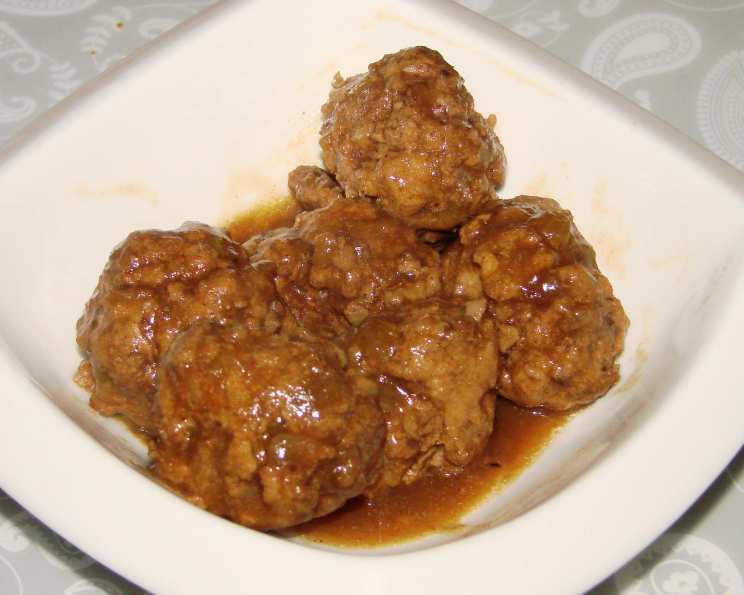
Ragout de Boulettes: A Taste of Canadian Railway History
The aroma of slow-simmering broth and tender meatballs instantly transports me back to a simpler time, a time when a hearty meal was more than just sustenance; it was an experience. My grandmother, a woman who could coax incredible flavors from the humblest ingredients, often spoke of her travels across Canada in her youth. She’d describe the warm, comforting meals served in the dining cars of the Canadian Pacific Railway, a culinary beacon in the vast, wild landscapes. While she never shared the exact recipe for the ragout de boulettes she remembered, the essence of it – that deep, rich, savory broth and those perfectly spiced meatballs – has always lingered in my memory, a culinary whisper from a bygone era. It’s a dish that speaks of journeys, of home, and of the enduring magic of slow cooking.
Recipe Overview
- Prep Time: 15 minutes
- Cook Time: 1 hour
- Total Time: 1 hour 15 minutes
- Servings: 8
- Yield: Approximately 24-30 meatballs (depending on size)
- Dietary Type: Standard (can be adapted)
Ingredients
For the Meatballs:
- 1 onion, finely chopped
- 1 tablespoon bacon grease
- 2 lbs ground pork
- 1 cup celery, diced
- 1/2 teaspoon allspice
- 1/2 teaspoon cinnamon
- 1/2 teaspoon clove
For the Seasoned Flour:
- 2 tablespoons flour
- 1 teaspoon salt
- 1 teaspoon pepper
For the Ragout:
- 4 cups beef broth
- 3 tablespoons flour (for browning)
Equipment Needed
- Large skillet or frying pan
- Large pot or Dutch oven
- Measuring cups and spoons
- Mixing bowl
- Whisk
Instructions
This recipe, steeped in the history of Canadian railway dining cars and dating back to 1951, offers a unique approach to meatballs. The inclusion of browned flour, reminiscent of a Cajun roux, lends a depth and complexity to the ragout that is truly special. If you’re familiar with making gumbo, you’ll recognize the principle behind this technique.
-
Begin by preparing your meatballs. In a large skillet, melt the bacon grease over medium heat. Add the finely chopped onion and sauté until it’s soft and translucent, about 5-7 minutes. This step infuses the fat with a wonderful savory essence that will carry through to the meatballs.
-
Transfer the sautéed onion and bacon grease to a large mixing bowl. Add the ground pork, diced celery, allspice, cinnamon, and clove. Mix everything together thoroughly with your hands or a sturdy spoon until all the ingredients are well combined. Be careful not to overmix, as this can result in tough meatballs.
-
Now, shape the mixture into meatballs. Aim for a size of about 1-1/2 inches in diameter. This size is substantial enough to hold its shape during simmering but also cooks through evenly.
-
Prepare your seasoned flour mixture. In a shallow dish or on a plate, combine the 2 tablespoons of flour with the salt and pepper. Whisk or stir to ensure the salt and pepper are evenly distributed throughout the flour.
-
Roll each formed meatball gently in the seasoned flour, ensuring a light, even coating. This flour coating will help create a slight crust on the meatballs as they cook and will also contribute to thickening the ragout later.
-
In a large pot or Dutch oven, bring the 4 cups of beef broth to a rolling boil over medium-high heat.
-
Carefully drop the floured meatballs, one by one, into the boiling beef broth. Ensure they are not overcrowded; you may need to do this in batches if your pot is not large enough.
-
Once all the meatballs have been added, reduce the heat to low, cover the pot, and simmer for 1 hour. This slow simmering allows the meatballs to cook through completely and become incredibly tender, while also infusing the broth with their delicious flavors.
-
While the meatballs are simmering, prepare the browned flour. In a dry, medium-hot skillet (do not add any fat), stir the 3 tablespoons of flour constantly. Continue stirring, allowing the flour to toast and turn a light to medium brown color. This process requires patience and constant attention to prevent burning. The goal is a nutty, toasted aroma and color. Be aware that browned flour has less thickening power than plain flour because the heat breaks down the starch cells; it takes approximately 3 tablespoons of browned flour to do the work of 1-1/2 tablespoons of plain flour.
-
After the meatballs have simmered for 1 hour, remove them from the pot using a slotted spoon and set them aside.
-
Bring the remaining stock in the pot back to a simmer over medium heat. Gradually whisk in the browned flour, a little at a time, until the ragout reaches your desired thickness. The browned flour will add a rich, nutty flavor and a beautiful color to the sauce.
-
Return the cooked meatballs to the thickened ragout. Season to taste with additional salt and pepper if needed. Gently simmer for another 5-10 minutes, allowing the meatballs to warm through and absorb the flavors of the thickened sauce.
Note on Broth: If you don’t have homemade beef stock, you can certainly use good quality store-bought beef broth or even bouillon cubes dissolved in water. The richness of the broth is key to the final flavor of the ragout.
Expert Tips & Tricks
The “browned flour” technique is a bit of a lost art, but it’s incredibly rewarding. Don’t be intimidated by it! The key is low and slow. Keep the heat moderate and stir constantly. You’re looking for a color that resembles peanut butter or light caramel. This is what gives the ragout its distinctive, deep flavor profile. If you find yourself with a lumpy sauce after adding the browned flour, simply strain it through a fine-mesh sieve before returning the meatballs.
Serving & Storage Suggestions
Ragout de Boulettes is wonderfully versatile. Traditionally, it’s served with noodles or potatoes, which are perfect for soaking up that glorious, savory broth. A side of crusty bread is also an excellent accompaniment.
Leftovers can be stored in an airtight container in the refrigerator for up to 3-4 days. Reheat gently on the stovetop over low heat, adding a splash of water or broth if the sauce has thickened too much. This dish also freezes beautifully; portion it into freezer-safe containers and it should keep for up to 3 months. Thaw overnight in the refrigerator before reheating.
Nutritional Information
| Nutrient | Amount per Serving | % Daily Value |
|---|---|---|
| Calories | 348.8 kcal | 18% |
| Total Fat | 26.1 g | 40% |
| Saturated Fat | 9.7 g | 48% |
| Cholesterol | 83.3 mg | 27% |
| Sodium | 814.4 mg | 33% |
| Total Carbohydrate | 5.9 g | 1% |
| Dietary Fiber | 0.8 g | 3% |
| Sugars | 0.8 g | 3% |
| Protein | 21.3 g | 42% |
Note: Nutritional values are estimates and can vary based on specific ingredients and portion sizes.
Variations & Substitutions
While this recipe calls for ground pork, you can certainly experiment with other ground meats. A blend of ground beef and ground pork would be delicious, or even ground veal for a more delicate texture. For a lighter version, you could use lean ground turkey, though you might want to add a touch more bacon grease or a bit of olive oil to ensure the meatballs remain moist.
If you prefer not to use bacon grease, butter or a neutral vegetable oil can be substituted for sautéing the onions. For a gluten-free option, you would need to omit the flour for coating and thickening, relying instead on a cornstarch slurry or a gluten-free flour blend for thickening the ragout, and serving it without noodles.
FAQs
Q: What is the purpose of browning the flour?
A: Browning the flour before adding it to the liquid creates a nutty, toasted flavor and changes its thickening properties, making it ideal for rich sauces and gravies like this ragout.
Q: Why are my meatballs falling apart in the broth?
A: This can happen if the meatballs are not formed tightly enough or if the broth is boiling too vigorously. Ensure you pack the meat mixture gently but firmly when forming the balls and reduce the heat to a simmer after adding them.
Q: Can I make this ragout ahead of time?
A: Yes, the flavors of this ragout deepen and meld beautifully overnight. You can prepare the entire dish and reheat it gently before serving.
Q: What kind of celery should I use?
A: Fresh celery stalks are recommended. The diced celery adds both flavor and texture to the meatball mixture.
Q: Is it okay to substitute the beef broth?
A: While beef broth provides the classic flavor, you could use chicken broth for a slightly lighter taste, or even a vegetable broth if preferred. However, beef broth is ideal for achieving the traditional depth of flavor.
This Ragout de Boulettes is more than just a recipe; it’s an invitation to step back in time and savor a piece of culinary history. It’s a testament to how simple ingredients, thoughtfully prepared, can create something truly extraordinary. I encourage you to try this dish, to share it with loved ones, and to perhaps even create your own memories around its comforting warmth. It pairs wonderfully with a crisp green salad and a glass of medium-bodied red wine. Enjoy!