
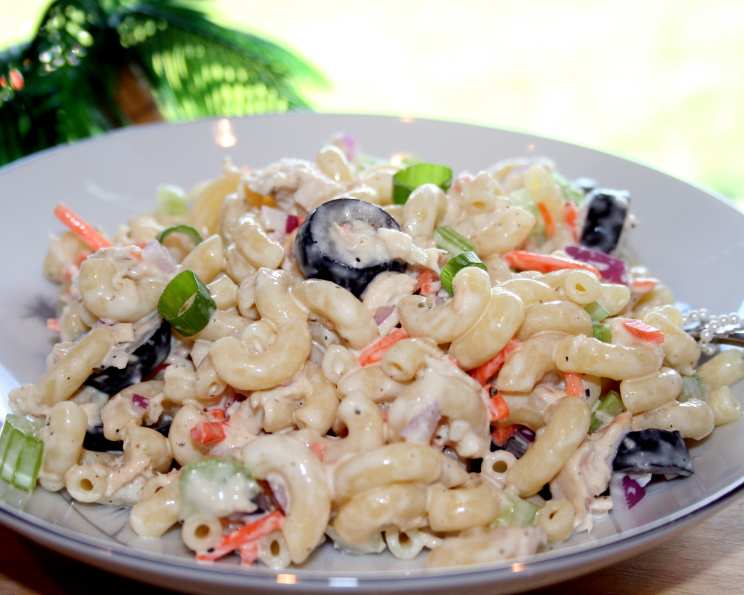
The Unsung Hero: Elevating Ranch Tuna Salad Beyond the Sandwich
I still remember the first time I truly tasted ranch tuna salad. It wasn’t just another quick lunch option; it was a revelation. I was a young line cook, overwhelmed by the heat and pressure of a busy dinner service, when the chef casually tossed together a batch of this seemingly simple salad. The creamy tang of the ranch dressing, perfectly balanced with the flaky tuna and crisp vegetables, was an unexpected symphony of flavors and textures. It was a moment of quiet deliciousness amidst the chaos, a reminder that even the most humble ingredients, when treated with care and understanding, can create something truly special. Since then, this dish has become my go-to for a quick, satisfying meal that always hits the spot.
Recipe Overview
- Prep Time: 15 minutes
- Cook Time: 0 minutes (Pasta cooking time is separate)
- Total Time: 25 minutes (approximately, including pasta cooking)
- Servings: 6-8
- Yield: About 6-8 cups
- Dietary Type: Adaptable (Can be made dairy-free by using a dairy-free ranch dressing)
Ingredients
This recipe relies on quality ingredients to shine, but it’s also incredibly forgiving and open to personal touches.
- 1 (12 ounce) can solid white tuna, drained
- 4 cups multicolored rotini pasta, dry
- 2 cups bottled ranch dressing
- 1/2 cup diced red onion
- 1 cup diced celery
- 1 cup diced carrot (optional, but adds a lovely sweetness and crunch)
- 1 teaspoon salt
- 1/2 teaspoon pepper
- 1 (2 ounce) can olives, sliced and drained (optional, for a briny pop)
Equipment Needed
For this straightforward recipe, you won’t need any specialized equipment.
- Large pot (for cooking pasta)
- Colander or strainer
- Large mixing bowl
- Measuring cups and spoons
- Knife and cutting board
Instructions
The beauty of this ranch tuna salad lies in its simplicity. It’s a fantastic dish for beginners and a reliable favorite for seasoned cooks.
- Begin by cooking the rotini pasta. Bring a large pot of generously salted water to a rolling boil. Add the 4 cups of dry rotini pasta and cook according to the package directions until al dente. This is crucial – overcooked pasta will result in a mushy salad.
- While the pasta is cooking, drain the 1 (12 ounce) can of solid white tuna. You can either flake it with a fork directly in your mixing bowl or in a separate smaller bowl.
- Once the pasta is cooked, drain it thoroughly using a colander. You can rinse it briefly with cool water if you want to stop the cooking process immediately and prevent it from sticking, although this is not strictly necessary if you’re mixing it right away.
- In a large mixing bowl, combine the drained tuna, the cooked and drained rotini pasta, 2 cups of bottled ranch dressing, 1/2 cup of diced red onion, 1 cup of diced celery, and 1 cup of diced carrot (if using).
- If you’re opting for the extra bit of flavor, add the drained 1 (2 ounce) can of sliced olives.
- Season the mixture with 1 teaspoon of salt and 1/2 teaspoon of pepper. Remember that ranch dressing often contains salt, so you may want to taste and adjust at the end if needed.
- Mix all the ingredients thoroughly until everything is well combined and the pasta and tuna are evenly coated with the ranch dressing. Ensure all the vegetables are distributed throughout the salad.
Expert Tips & Tricks
Even with a simple recipe, a few professional touches can elevate your ranch tuna salad from good to unforgettable.
- Pasta Perfection: Don’t overcook your pasta. It should have a slight bite (al dente) as it will continue to soften slightly as it absorbs the dressing. If you’re making this ahead of time, slightly undercooking the pasta by a minute or two can help prevent it from becoming mushy.
- Tuna Quality Matters: Opt for solid white tuna packed in water or oil. Solid tuna holds its shape better and provides a more pleasing texture than chunk light tuna. If using oil-packed tuna, you can reduce the amount of ranch dressing slightly or even omit it if you prefer a less creamy salad.
- Dicing Consistency: Aim for uniform dice for your vegetables. This not only makes the salad look more appealing but also ensures a consistent bite with every forkful.
- Resting is Best: For the flavors to meld beautifully, I highly recommend letting the salad chill in the refrigerator for at least 30 minutes before serving. This allows the pasta to absorb the dressing and the flavors to marry.
- Dressing Control: Start with 2 cups of ranch dressing and add more if you prefer a creamier salad. Conversely, if you find it too dressed, you can add more pasta or vegetables to balance it out.
Serving & Storage Suggestions
This ranch tuna salad is incredibly versatile and can be served in a multitude of ways.
Serving Suggestions:
It’s fantastic served cold as a standalone lunch or light dinner. Scoop it into lettuce cups (butter or romaine work beautifully) for a low-carb option. It’s also an excellent filling for sandwiches, wraps, or even stuffed into bell peppers or tomatoes. For a more substantial meal, serve it alongside a crisp green salad or some crusty bread.
Storage Suggestions:
Properly stored, ranch tuna salad will keep well in the refrigerator for 3 to 4 days. Ensure it’s stored in an airtight container to prevent it from drying out or absorbing other odors from the fridge. It’s best served chilled, so no need to reheat. If you notice the dressing has thickened after refrigeration, you can stir in a tablespoon or two of extra ranch dressing or a splash of milk to loosen it up. This salad is not recommended for freezing, as the texture of the pasta and vegetables can be negatively affected.
Nutritional Information
This information is an estimate and can vary based on the specific brands of ingredients used, especially the ranch dressing.
| Nutrient | Amount per Serving | % Daily Value |
|---|---|---|
| Calories | 350-450 kcal | |
| Total Fat | 20-30g | 25-38% |
| Saturated Fat | 3-5g | 15-25% |
| Cholesterol | 20-40mg | 7-13% |
| Sodium | 800-1200mg | 35-52% |
| Total Carbohydrate | 30-40g | 11-15% |
| Dietary Fiber | 2-4g | 7-14% |
| Sugars | 4-8g | |
| Protein | 20-30g | 40-60% |
Note: Daily Values are based on a 2,000-calorie diet. Your daily values may be higher or lower depending on your calorie needs.
Variations & Substitutions
The beauty of this recipe is its adaptability. Feel free to make it your own!
- Pasta Swap: While rotini is classic for its ability to hold dressing, other short pasta shapes like fusilli, penne, or farfalle would also work beautifully. For a gluten-free version, use your favorite gluten-free pasta.
- Veggie Power: Beyond carrots, consider adding finely chopped bell peppers (any color), peas (fresh or frozen, thawed), corn, or even chopped hard-boiled eggs for extra protein and richness. Diced pickles or capers can offer a delightful tangy element.
- Herb Garden: Fresh herbs are a game-changer! Finely chopped fresh dill, parsley, chives, or even a bit of tarragon can add a vibrant, fresh dimension.
- Spice It Up: If you like a little heat, a pinch of cayenne pepper, a dash of hot sauce stirred into the dressing, or some finely minced jalapeño can add a pleasant kick.
- Dressing Alternatives: If ranch isn’t your favorite, try a creamy dill dressing, a lemon-herb vinaigrette, or even a lightened-up avocado dressing. For a dairy-free option, ensure you’re using a dairy-free ranch dressing.
FAQs
Q: Can I make this ranch tuna salad ahead of time?
A: Absolutely! It’s actually better when made ahead, as the flavors have time to meld. Store it in an airtight container in the refrigerator for up to 3-4 days.
Q: My pasta seems a bit dry after chilling. What can I do?
A: This can happen if it’s been refrigerated for a while. Simply stir in another tablespoon or two of ranch dressing or a splash of milk to loosen it up before serving.
Q: What’s the best way to drain the tuna?
A: For solid tuna, pressing the lid firmly against the tuna and tilting the can to pour out the liquid is effective. For oil-packed tuna, you can drain it well over the sink.
Q: Can I use canned tuna instead of solid white tuna?
A: While solid white tuna offers a better texture, you can use chunk light tuna if that’s what you have. Be aware it might break down more easily.
Q: Is this recipe suitable for a picnic?
A: Yes, as long as it’s kept well-chilled in a cooler with ice packs. The robust flavors and sturdy ingredients make it a picnic-friendly choice.
Final Thoughts
This ranch tuna salad is more than just a recipe; it’s a testament to the magic of simple, honest ingredients coming together. It’s the dish I turn to when I need something quick, satisfying, and reliably delicious. Whether you’re packing a lunch, hosting a casual gathering, or simply craving a comforting meal, this salad is sure to please. Give it a try, experiment with the variations, and discover your own perfect rendition. I’d love to hear how you enjoy it – perhaps served atop a bed of mixed greens with some crispy crackers, or even as a delightful filling for a picnic sandwich. Happy cooking!