
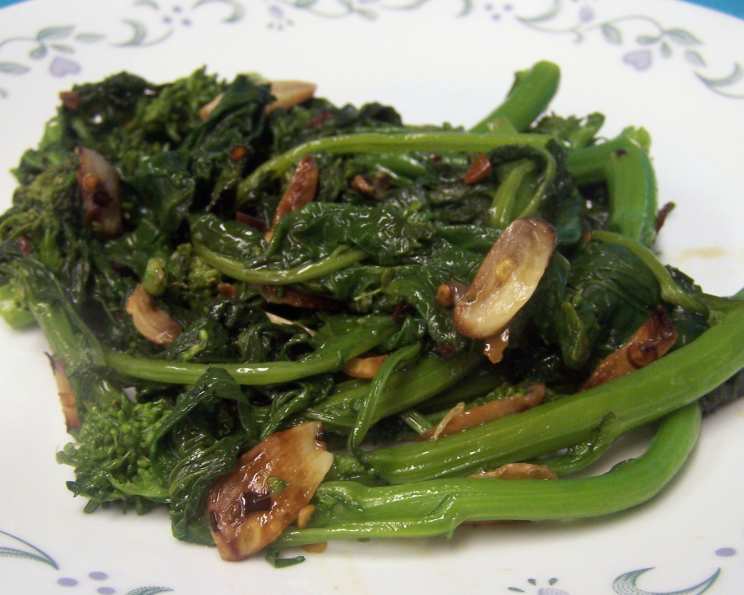
Rapini With Garlic & Chili Flakes: A Bitter-Sweet Symphony on the Plate
There’s a certain magic in the assertive bitterness of rapini, a flavor that, when coaxed just right, transforms into something truly sublime. I first encountered this vibrant green cooked this way on a sun-drenched afternoon in a small trattoria outside of Rome. The aroma of sizzling garlic and a hint of chili filled the air, promising a dish that was both simple and profound. That plate of rapini, glistening with olive oil and flecked with red pepper, was a revelation – a perfect counterpoint to the richer pasta dish we’d ordered. It’s a dish that speaks of the Italian countryside, of honest ingredients treated with respect, and it’s become a staple in my own kitchen, a quick, flavorful, and deeply satisfying way to enjoy a cruciferous treasure.
Recipe Overview
- Prep Time: 10 minutes
- Cook Time: 10 minutes
- Total Time: 20 minutes
- Servings: 4
- Yield: Side Dish
- Dietary Type: Vegan, Gluten-Free, Dairy-Free
Ingredients
- 1 bunch rapini (also known as broccoli rabe)
- 2 tablespoons olive oil
- 1 teaspoon chopped garlic (about 2-3 cloves, minced)
- ½ teaspoon chili flakes (adjust to your spice preference)
- Salt and freshly ground black pepper to taste
Equipment Needed
- Large pot
- Colander
- Large skillet or sauté pan
- Tongs or slotted spoon
Instructions
- Begin by preparing the rapini. Chop off the bottom inch of the stalks. This tough, woody part is best discarded. You’ll want to trim away any yellow or wilted leaves as well, focusing on the vibrant green, tender parts. You can leave the leaves and thinner stems whole or give them a rough chop if you prefer smaller, more manageable pieces, especially if the stems are on the thicker side.
- Fill a large pot with water, enough to generously cover the rapini. Add a good pinch of salt to the water – this is crucial for seasoning the greens from the inside out. Bring the water to a rolling boil over medium-high heat.
- Once the water is vigorously boiling, carefully add the prepared rapini to the pot.
- Return the water to a boil and let the rapini cook for approximately two to three minutes. The goal here is to achieve a state of “crisp-tender.” The greens should turn a vibrant, deeper green, and the stems should be slightly tender when pierced with a fork, but still retain a pleasant bite. Overcooking will result in mushy, unappealing greens.
- Immediately drain the rapini in a colander. You can give it a quick rinse under cool water to stop the cooking process, though this is optional if you’re working quickly to get it into the skillet.
- While the rapini drains, place a large skillet over medium-high heat. Add the 2 tablespoons of olive oil. Let the oil heat up until it shimmers.
- Add the 1 teaspoon of chopped garlic and the ½ teaspoon of chili flakes to the hot oil. Sauté for about 30 seconds, or until the garlic is fragrant and just beginning to turn golden. Be careful not to burn the garlic, as this will impart a bitter flavor. The chili flakes will also bloom in the oil, releasing their heat and aroma.
- Add the drained rapini to the skillet with the garlic and chili oil. Toss everything together using tongs or a spoon for about one to two minutes, ensuring the rapini is well coated with the seasoned oil. This step helps to further develop the flavors and gently sauté any remaining moisture.
- Reduce the heat to low, cover the pan, and allow the rapini to cook for three minutes. This steaming phase helps to tenderize the greens further and meld the flavors.
- Remove the cover from the skillet. The rapini should now be tender and infused with the garlic and chili. Season generously with salt and freshly ground black pepper to your liking. Give it one final toss to distribute the seasonings.
- Serve immediately.
Expert Tips & Tricks
The key to truly delicious rapini is not to overcook it. That brief blanching and subsequent sauté are designed to preserve its vibrant color and satisfying bite. If your rapini stalks are particularly thick, you might consider splitting them lengthwise before blanching to ensure they cook evenly with the leaves. Don’t be afraid of the bitterness; it’s part of rapini’s charm and is beautifully balanced by the garlic and chili. When shopping, look for bunches with firm, bright green leaves and no yellowing or wilting.
Serving & Storage Suggestions
Rapini with Garlic & Chili Flakes is best served piping hot, straight from the skillet. Its assertive flavor makes it a wonderful accompaniment to a wide range of dishes. It pairs beautifully with rich, fatty meats like pork belly or lamb chops, but it also offers a delightful counterpoint to lighter fare such as grilled fish or chicken. It’s also fantastic alongside pasta, especially oil-based sauces or those with seafood.
Leftovers can be stored in an airtight container in the refrigerator for up to 2-3 days. While it’s best fresh, it can be gently reheated in a skillet over low heat with a splash of olive oil, or briefly microwaved. Be mindful that reheating may soften the texture slightly.
Nutritional Information
| Nutrient | Amount per Serving (approx.) | % Daily Value (approx.) |
|---|---|---|
| Calories | 61.7 kcal | – |
| Total Fat | 6.8 g | 10% |
| Saturated Fat | 0.9 g | 4% |
| Cholesterol | 0 mg | 0% |
| Sodium | 5.8 mg | 0% |
| Total Carbohydrate | 0.4 g | 0% |
| Dietary Fiber | 0.1 g | 0% |
| Sugars | 0 g | 0% |
| Protein | 0.1 g | 0% |
| Calories from Fat | 61 g | – |
| Calories from Fat (%) | 99 % | – |
Note: Nutritional information is an estimate and can vary based on ingredient brands and exact measurements used.
Variations & Substitutions
While this recipe is wonderfully simple, there are always ways to put your own spin on it. For a milder garlic flavor, you can add whole, smashed garlic cloves to the oil, allowing them to infuse their essence, and then remove them before adding the rapini. If you prefer a more pronounced garlic flavor, feel free to increase the amount of chopped garlic. For those who enjoy a bit more heat, a pinch of red pepper flakes can be added along with the chili flakes, or you could even add a thinly sliced fresh chili pepper during the sautéing stage. A squeeze of fresh lemon juice just before serving can brighten the flavors beautifully, adding a zesty note. Some people also enjoy adding a few toasted pine nuts or slivered almonds for added texture and nutty depth.
FAQs
Q: Why is rapini also called broccoli rabe?
A: Rapini is a member of the turnip family, but it is closely related to broccoli and is often referred to as broccoli rabe due to its similar appearance and taste profile.
Q: Can I use other greens if I can’t find rapini?
A: While rapini has a unique bitter flavor, you could substitute it with other sturdy greens like kale or Swiss chard, though the flavor profile will change. You may need to adjust cooking times.
Q: How do I know if my rapini is cooked to “crisp-tender”?
A: The rapini should be bright green and slightly softened, but still offer a slight resistance when bitten into. A fork should pierce the stems easily but not go through with no effort.
Q: Is it okay to skip the blanching step?
A: Blanching helps to tenderize the rapini and remove some of its more intense bitterness. While you could skip it and just sauté, the texture and flavor might be less refined.
Q: Can I add other ingredients to this dish?
A: Absolutely! Consider adding cooked Italian sausage, white beans, or a splash of white wine to the skillet for a more complex dish.
Final Thoughts
This simple preparation of rapini is a testament to the power of high-quality ingredients and straightforward cooking techniques. It’s a dish that celebrates the natural flavors of the vegetable, enhanced by the warmth of garlic and the gentle kick of chili. Whether served as a humble side dish or incorporated into a larger meal, it never fails to impress with its vibrant color and complex, satisfying taste. I encourage you to give it a try, and I hope it brings as much joy to your table as it does to mine. Experiment with the chili flakes to find your perfect heat level, and consider pairing it with a crisp, dry white wine like a Vermentino or a Pinot Grigio. Buon appetito!