
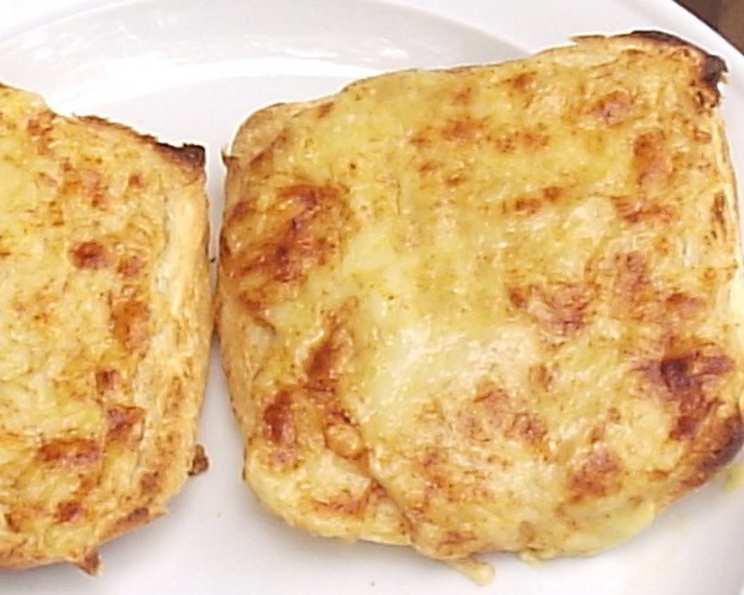
A Culinary Hug in a Dish: Mastering the Art of Rarebit
There are certain dishes that, for me, are more than just food; they’re woven into the fabric of memory. Rarebit is one of those for me. I remember, on a particularly blustery British afternoon, sheltering in a tiny, unassuming pub in the Cotswolds. The air was thick with the comforting scent of woodsmoke and something else… something cheesy and deeply satisfying. When the plate arrived, it was deceptively simple: a thick slice of toast, crowned with a molten, golden blanket. That first bite was a revelation. The sharpness of the cheddar, the subtle warmth of the mustard and cayenne, the tangy whisper of Worcestershire sauce – it was a symphony of flavors, a perfect counterpoint to the crisp toast. It wasn’t just a snack; it was edible comfort, a culinary embrace that chased away the chill and warmed me from the inside out. It’s a dish that has since found a permanent place in my repertoire, a go-to for moments when I crave something both sophisticated and deeply, wonderfully homey.
Recipe Overview
- Prep Time: 5 minutes
- Cook Time: 5 minutes
- Total Time: 10 minutes
- Servings: 2
- Yield: 2 slices
- Dietary Type: Vegetarian
Ingredients
- 2 slices bread
- 1⁄2 teaspoon mustard (Dijon or English mustard are excellent choices)
- 1 dash salt
- 1⁄4 teaspoon cayenne pepper
- 1⁄4 teaspoon Worcestershire sauce
- 1⁄2 ounce butter
- 3 ounces grated cheddar cheese
- 1 tablespoon beer (a mild ale or lager works well) or 1 tablespoon milk
Equipment Needed
- Toaster or broiler
- Small saucepan
- Spatula or spoon for spreading
- Broiler-safe tray or baking sheet
Instructions
The beauty of Rarebit lies in its utter simplicity and speed. It’s the kind of dish that can be conjured up in minutes, yet delivers a punch of flavor and satisfaction far beyond its humble ingredients. Let’s unlock its magic.
-
Toast the bread on one side. The key here is to achieve a firm, golden-brown toast on just one side of each slice. This creates a sturdy base that can hold the luscious cheese topping without becoming soggy. You can achieve this using a toaster, setting it to a medium-high heat, or by placing your bread slices under a hot broiler. Keep a close eye on them to prevent burning; we’re aiming for a robust toast, not charcoal. Once toasted on one side, set them aside, toasted-side up.
-
Combine all other ingredients. In a small saucepan, over low heat, combine the butter, grated cheddar cheese, mustard, salt, cayenne pepper, Worcestershire sauce, and your chosen liquid – either the beer or milk. Stir gently and continuously.
-
Melt and blend. Continue to cook over low heat, stirring, until the butter has melted and the cheese has beautifully and smoothly melted into the mixture. It’s crucial to keep the heat low; we want a gentle melt, not a boil. This slow melting process ensures a creamy, cohesive sauce without any hint of oil separation or graininess. You’re looking for a thick, glossy consistency.
-
Spread on untoasted side of bread. Take your toasted bread slices, which should be ready with one side perfectly toasted. Generously and evenly spread the warm cheese mixture over the untoasted side of each slice of bread. Ensure the cheese goes right to the edges for maximum flavor in every bite.
-
Brown under a hot broiler. Carefully transfer the cheese-laden toast onto a broiler-safe tray or baking sheet. Place this under a preheated hot broiler. This is where the magic truly happens. Watch very closely as the cheese begins to bubble, turn a gorgeous golden-brown, and perhaps even develop a few delightful little charred spots. This process should only take a minute or two. The goal is to get a beautifully browned and slightly blistered top.
Serve immediately, piping hot, for the ultimate Rarebit experience.
Expert Tips & Tricks
Crafting the perfect Rarebit is less about complicated techniques and more about understanding the nuances of your ingredients and equipment. Here are a few pointers that elevate this simple dish from good to truly exceptional:
- Cheese Choice is Key: While the recipe specifies cheddar, the type of cheddar you use will profoundly impact the flavor. A mature, sharp English cheddar will offer a more robust, tangy bite, which is traditionally preferred. A milder cheddar will result in a creamier, less assertive flavor. Experiment to find your favorite!
- The Power of Low Heat: When melting the cheese mixture, patience is a virtue. Using low heat prevents the cheese from becoming greasy or stringy. It allows the ingredients to meld beautifully, creating a smooth, luxurious sauce. If the mixture seems too thick as it melts, you can add a tiny splash more milk or beer to achieve your desired consistency.
- Broiler Vigilance: The final browning under the broiler is the showstopper. It should happen quickly. If your broiler runs very hot, you might even want to crack open your oven door slightly to prevent overheating. Rotate the tray if necessary to ensure even browning.
- The Role of Beer: Using beer instead of milk adds a subtle depth and complexity to the flavor profile. The slight bitterness and carbonation of the beer can cut through the richness of the cheese, creating a more balanced taste. A mild lager or ale is best, as you don’t want to overpower the cheese. If you’re not a beer drinker, milk is a perfectly acceptable substitute, yielding a slightly sweeter, creamier result.
- Mustard Matters: The type of mustard you choose can make a difference. A classic English mustard will provide a sharper, more pungent kick, while a Dijon mustard will offer a smoother, more complex spiciness. Either works wonderfully.
Serving & Storage Suggestions
Rarebit is a dish that truly shines when served immediately. Its molten, bubbling topping is at its most glorious the moment it emerges from the broiler.
- Serving: Present it proudly as is, perhaps with a sprinkle of extra cayenne pepper for those who enjoy a little more heat, or a tiny garnish of chives for a touch of freshness and color. It’s fantastic on its own as a substantial snack or a light lunch. For a more complete meal, it pairs wonderfully with a crisp green salad, a side of pickled onions, or even a fried egg on top for a decadent brunch.
- Storage: Due to its delicate nature and the browning process, Rarebit is best enjoyed fresh and is not well-suited for storage. Once the cheese topping cools, it can become somewhat stiff and less appealing. If you have any leftovers (which is unlikely!), you can technically store them in an airtight container in the refrigerator for up to one day. However, reheating is tricky. Gently warming it in a low oven or under the broiler might help revive it somewhat, but it won’t quite replicate the fresh, molten glory. It’s really a dish to be made and savored in the moment.
Nutritional Information
Here’s an estimated nutritional breakdown for a single serving of Rarebit, assuming it’s made with beer. Please note that these values can vary based on the specific ingredients used, particularly the type of cheese and bread.
| Nutrient | Amount per Serving | % Daily Value |
|---|---|---|
| Calories | 294 kcal | 15% |
| Total Fat | 21 g | 27% |
| Saturated Fat | 13 g | 65% |
| Cholesterol | 60 mg | 20% |
| Sodium | 574 mg | 25% |
| Total Carbohydrate | 14 g | 5% |
| Dietary Fiber | 1 g | 4% |
| Sugars | 1 g | 2% |
| Protein | 13 g | 26% |
Note: Percent Daily Values are based on a 2,000-calorie diet. Your daily values may be higher or lower depending on your calorie needs.
Variations & Substitutions
While the classic Rarebit is perfection in its simplicity, there’s always room for a little culinary exploration.
- Cheese Blends: Don’t be afraid to experiment with other good melting cheeses! A combination of sharp cheddar with a little Gruyère or even a touch of mature Gouda can add intriguing layers of flavor. Just ensure they melt well.
- Spicy Kick: For those who crave more heat, increase the cayenne pepper, add a pinch of chili flakes, or even a tiny drizzle of your favorite hot sauce into the cheese mixture.
- Herbal Notes: Freshly chopped chives, parsley, or even a hint of finely minced thyme can be stirred into the cheese mixture before spreading for an added aromatic dimension.
- The Bread Base: While traditional, you can certainly use other sturdy bread bases. Thick slices of sourdough, whole wheat, or even a hearty rye bread can offer a different textural and flavor profile. Ensure it’s thick enough to support the topping.
FAQs
Q: Why is the bread only toasted on one side?
A: Toasting one side provides a stable, crisp foundation that prevents the moist cheese topping from making the entire slice soggy. The untoasted side readily accepts the warm cheese mixture.
Q: What kind of beer is best for Rarebit?
A: A mild ale or lager is generally recommended. Avoid strongly flavored or hoppy beers, as they can overpower the delicate cheese and spice notes.
Q: My cheese mixture looks a bit oily. How can I fix it?
A: This can happen if the heat is too high during melting. Try stirring vigorously over very low heat, or you can whisk in a tiny splash of milk or beer to help emulsify the sauce.
Q: Can I make the cheese mixture ahead of time?
A: You can prepare the cheese mixture and store it in an airtight container in the refrigerator for up to a day. Gently reheat it over low heat, stirring constantly, until smooth before spreading on the toast.
Q: What are some common mistakes when making Rarebit?
A: Overcooking the cheese until it separates, burning the toast, or rushing the melting process are common pitfalls. Paying attention to low heat for melting and keeping a close eye under the broiler are key to success.
A Taste of Tradition, A Hug for the Soul
Rarebit is more than just a recipe; it’s an experience. It’s a testament to how simple, humble ingredients, when treated with a little care and attention, can create something truly magical. This dish embodies a certain comforting nostalgia, a reminder of simpler times and hearty meals. It’s the perfect antidote to a chilly evening, a welcome treat after a long day, or a delightful surprise to share with friends. So, gather your ingredients, embrace the simplicity, and allow yourself to be enveloped by the warm, cheesy embrace of a perfectly made Rarebit. You might just find, like I have, that it becomes a cherished comfort in your own culinary story.