
The Ruby Elixir: Crafting Your Own Raspberry Red Wine Vinegar
The first time I truly understood the transformative power of a simple ingredient was many years ago, standing in a bustling farmer’s market. Amidst the riot of colors and fragrant produce, a small stall offered an array of homemade vinegars. One bottle, in particular, caught my eye – a deep, jewel-toned ruby liquid infused with plump raspberries. Intrigued, I purchased a small sample, and that first taste was a revelation. It was bright, tangy, and held a subtle sweetness, a far cry from the sharp bite of plain red wine vinegar. Back in my kitchen, I experimented, and soon, this homemade raspberry red wine vinegar became my secret weapon, elevating simple salads and marinades to something truly special.
Recipe Overview
- Prep Time: 10 minutes
- Cook Time: 5 minutes
- Total Time: 25 minutes (plus overnight chilling)
- Servings: 1
- Yield: Approximately 2 ¼ cups
- Dietary Type: Vegan, Gluten-Free, Dairy-Free
Ingredients
This vibrant vinegar starts with just a few high-quality components. The fresher the raspberries, the more vibrant the final flavor will be, but don’t hesitate to use frozen if fresh are out of season.
- 2 cups fresh raspberries (or frozen)
- ¾ cup red wine vinegar
- ¾ cup white wine vinegar
- ½ cup sugar
Equipment Needed
You won’t need a brigade of specialized tools for this delightful infusion.
- Medium stainless steel saucepan
- Fine-mesh sieve
- Glass jar with a tight-fitting lid
Instructions
Crafting this ruby elixir is a straightforward process that rewards patience with exceptional flavor. The gentle simmering allows the raspberries to release their essence, while the chilling time is crucial for the flavors to meld beautifully.
- In a medium stainless steel saucepan, combine the raspberries, red wine vinegar, white wine vinegar, and sugar.
- Place the saucepan over high heat and bring the mixture to a boil.
- Once boiling, reduce the heat to medium-low, cover the saucepan, and simmer gently for 5 minutes. This brief simmer coaxes the flavors from the raspberries without overcooking them.
- After simmering, remove the saucepan from the heat. Allow the liquid to cool completely.
- Once cooled, transfer the mixture to a glass jar with a tight-fitting lid. Chill the mixture overnight in the refrigerator. This crucial step allows the flavors to deepen and meld.
- The next day, strain the chilled liquid through a fine-mesh sieve. Press the solids gently with the back of a spoon to extract as much liquid as possible.
- Discard the raspberry pulp.
- Pour the strained liquid back into a clean glass jar with a tight-fitting lid. Chill again before using.
Expert Tips & Tricks
The beauty of this raspberry red wine vinegar lies in its simplicity, but a few seasoned chef’s touches can elevate it further.
- Quality Matters: While the ingredients are few, their quality significantly impacts the final product. Opt for a good quality red wine vinegar and white wine vinegar for the best base flavor.
- Raspberry Intensity: If you desire a more intense raspberry flavor, you can slightly increase the amount of raspberries, but be mindful not to add too much, as it could affect the acidity balance.
- Patience is a Virtue: The overnight chilling is non-negotiable for developing the full flavor profile. Don’t be tempted to rush this step.
- Sweetness Adjustment: While the recipe provides a balanced sweetness, taste the strained vinegar after chilling. If you prefer it a touch sweeter, you can dissolve a tablespoon or two more sugar in a tiny bit of warm water and stir it in. Remember, it will be less sweet when used in dressings.
Serving & Storage Suggestions
This ruby elixir is incredibly versatile, but its primary role is often in salad dressings.
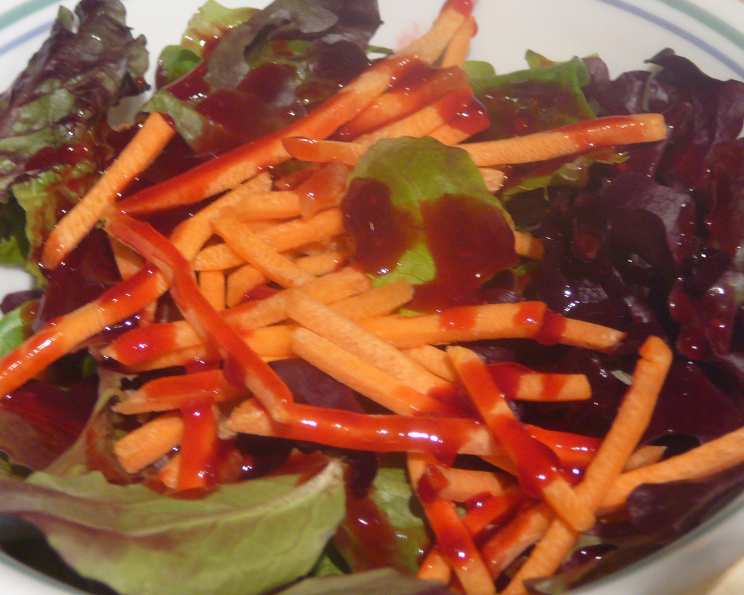
- The Classic Dressing: My family’s absolute favorite salad dressing is a simple yet divine concoction. In a 2-cup glass measuring cup, combine ½ cup of your homemade raspberry vinegar, ½ cup of good quality olive oil, ¼ cup of white sugar, ¼ cup of ketchup, and 1 tablespoon of steak sauce. Blend these ingredients together using a stick blender until emulsified. This creates a wonderfully sweet and tangy dressing that is a perfect accompaniment to fresh greens.
- Marinades and Glazes: Beyond salads, this vinegar is fantastic in marinades for chicken, pork, or even salmon. It also makes a delightful glaze for roasted vegetables.
- Storage: Once bottled, this raspberry red wine vinegar should be stored in a tight-fitting glass jar in the refrigerator. It will keep well for up to 3 months. Ensure it’s always refrigerated after opening.
Nutritional Information
Please note that these are estimated values and can vary based on the specific ingredients used.
| Nutrient | Amount per Serving (approx. 2 tbsp) | % Daily Value |
|---|---|---|
| Calories | 75 kcal | 4% |
| Total Fat | 0 g | 0% |
| Saturated Fat | 0 g | 0% |
| Cholesterol | 0 mg | 0% |
| Sodium | < 5 mg | 0% |
| Total Carbohydrate | 18 g | 7% |
| Dietary Fiber | 1 g | 4% |
| Sugars | 15 g | 30% |
| Protein | < 1 g | 0% |
Variations & Substitutions
While the raspberry version is divine, feel free to explore other berry infusions.
- Strawberry Red Wine Vinegar: Substitute the raspberries with an equal amount of fresh or frozen strawberries. The resulting vinegar will have a slightly sweeter and softer profile.
- Blackberry Red Wine Vinegar: Use blackberries for a deeper, earthier flavor. The color will be a rich, dark purple.
- Mixed Berry Vinegar: Combine a mix of your favorite berries – think raspberries, blueberries, and blackberries – for a complex and vibrant flavor.
- Herbal Infusions: For a savory twist, consider adding a sprig of fresh thyme or rosemary to the simmering mixture. Remove the herb before straining.
FAQs
Q: Can I use dried raspberries instead of fresh or frozen?
A: While you can technically use dried raspberries, the flavor intensity and liquid extraction will be significantly reduced. Fresh or frozen berries are highly recommended for the best results.
Q: My vinegar seems cloudy. Is this normal?
A: A slight cloudiness can occur, especially if some fine pulp passes through the sieve. As long as it smells fresh and hasn’t developed any off-odors, it’s likely fine. Straining again or letting it settle further in the fridge can help.
Q: How can I tell if my vinegar has gone bad?
A: Vinegar is quite shelf-stable. If it develops an off-smell (sour, yeasty, or unpleasant), or if you see any mold growth, it’s best to discard it.
Q: Can I adjust the sugar content?
A: Absolutely. The recipe is designed for a balanced dressing. If you prefer a less sweet vinegar for more savory applications, reduce the sugar by half or to your preference. Conversely, if you want a sweeter base, you can add a little more sugar.
Q: How long does the simmering step really need to be?
A: The 5-minute simmer is sufficient to release the raspberry essence without making the vinegar taste cooked. Over-simmering can dull the bright, fresh berry notes.
Final Thoughts
There’s a profound satisfaction in creating something so simple yet so impactful from scratch. This Raspberry Red Wine Vinegar is a testament to that. It’s a versatile staple that will find a permanent place in your culinary repertoire, transforming everyday dishes into moments of delightful flavor. I encourage you to try making it, experiment with its uses, and share your culinary creations. Perhaps it will become your secret weapon, too.