
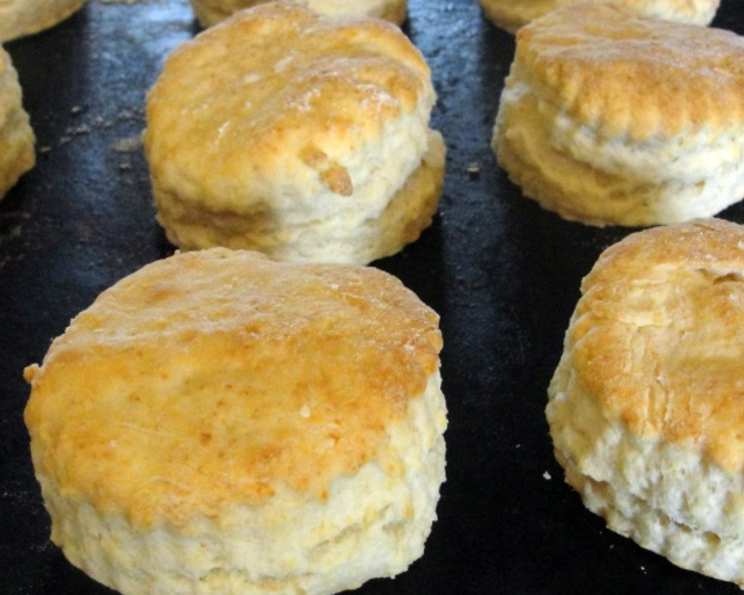
The Alchemy of the Oven: Real Buttermilk Biscuits, No Buttermilk Required
There are few things that evoke the comforting embrace of home quite like a perfectly baked biscuit. For years, my kitchen was a questing ground for that elusive, tender crumb, that gentle tang that only true buttermilk seemed to offer. I remember childhood mornings, the air thick with the scent of my grandmother’s baking, her biscuits a legendary part of our family lore. Yet, time and again, when I tried to recreate them, my attempts fell short, lacking that ethereal lightness and subtle richness. It was a culinary puzzle that occupied my thoughts, a challenge I embraced with a baker’s persistence. This recipe isn’t just a formula; it’s the culmination of those years of experimentation, a testament to the fact that sometimes, the most magical results come from the most unexpected places, proving you don’t need a specific ingredient to achieve a beloved texture and taste.
Recipe Overview
- Prep Time: 15 minutes
- Cook Time: 9 – 20 minutes
- Total Time: 24 – 35 minutes
- Servings: 12 biscuits
- Yield: 12 biscuits
- Dietary Type: Contains Dairy
Ingredients
This recipe calls for a handful of pantry staples, brought together with a touch of kitchen sorcery to create something truly special.
- 2 cups all-purpose flour
- 2 tablespoons unsalted butter, cold and cut into small pieces
- 2 tablespoons vegetable shortening, cold and cut into small pieces
- 1⁄2 cup sour cream
- 1⁄2 cup milk
- 3 teaspoons baking powder
- 1⁄4 teaspoon baking soda
Equipment Needed
While the ingredients are simple, a few key tools will help ensure your biscuit-making success.
- Large mixing bowl
- Pastry blender or a fork (or your fingertips)
- Small bowl or liquid measuring cup
- Whisk
- Spatula or spoon for stirring
- Floured surface for kneading
- Biscuit cutter (approximately 2 inches in diameter)
- Baking sheet (any type will do: cookie sheet, cake pan, etc.)
- Oven
- Cooling rack (optional)
Instructions
The journey to your perfect biscuit is a simple one, marked by gentle handling and a keen eye.
- Preheat your oven to 450°F (230°C). A hot oven is crucial for achieving that signature rise and golden crust.
- In your large mixing bowl, whisk together the flour, baking powder, and baking soda. Ensure these dry ingredients are thoroughly combined for even leavening.
- Add the cold butter and shortening to the dry ingredients. Using a pastry blender, a fork, or even your fingertips, work the fats into the flour until the mixture resembles coarse crumbs. You want to see some pea-sized pieces of fat remaining; these are key to flaky layers.
- In a separate small bowl or liquid measuring cup, whisk together the sour cream and milk.
- Make a well in the center of the flour mixture. Pour the sour cream and milk mixture into this well.
- Stir very lightly, only until just combined. DO NOT OVERSTIR! This is perhaps the most critical step for tender biscuits. Overmixing develops the gluten too much, leading to tough biscuits. As soon as a shaggy dough ball begins to form, stop stirring. The dough will be very, very sticky at this stage, and that’s a good thing—it’s a sign that your biscuits will be incredibly moist.
- Turn the sticky dough ball onto a generously floured surface. Dust the top of the dough ball with a bit more flour. Gently fold the dough onto itself 5 or 6 times. This creates layers without overworking the dough.
- Gently press down or use a rolling pin to make the dough about 1 inch thick. Be careful not to flatten it too much.
- Use a 2-inch biscuit cutter to cut out 12 biscuits. For the most tender results, try not to twist the cutter as you press down; a straight down-and-up motion is best. If you choose to re-roll and cut the scraps, be aware that the biscuits from the scraps may not be as tender as the initial batch.
- Place the biscuits on your prepared baking pan. Arrange them so that they are just touching if you prefer tender, soft sides. Alternatively, leave about an inch of space between them if you desire crispier sides.
- Freeze or Bake: You have a choice here! You can bake them immediately for 9 to 20 minutes, or freeze them for later. The baking time will depend on the size of your biscuits and your oven. Keep a close eye on them, especially in the initial batches, to note how long it takes for your specific setup. Smaller biscuits will require less time.
- For an extra touch of golden-brown perfection, you can brush the tops of the biscuits with milk or melted butter before baking.
- If baking from frozen, they will take a bit longer than fresh dough. Continue to bake until golden brown and cooked through, always keeping an eye on them.
Expert Tips & Tricks
Achieving biscuit perfection is a skill honed with practice, but a few insider tips can elevate your bake.
- Cold is Key: For the flakiest biscuits, ensure your butter and shortening are thoroughly chilled. Cold fat melts in the oven, creating steam that separates the dough layers.
- Handle with Care: The “very, very sticky” dough is your friend. Resist the urge to add more flour than necessary during the folding and cutting stages. Gentle handling prevents tough biscuits.
- The Fold: The simple folding technique creates those desirable layers. Think of it as creating puff pastry, but with a much simpler process.
- Oven Temperature: A hot oven is non-negotiable for a good rise. If your oven tends to run hot or cool, an oven thermometer can be a lifesaver.
- Make-Ahead Magic: The ability to freeze these biscuits before baking is a game-changer for busy households. They hold their structure and texture beautifully, ensuring you always have a warm biscuit ready.
Serving & Storage Suggestions
These biscuits are a versatile delight, perfect for any meal.
Serve these warm biscuits alongside your favorite breakfast dishes like scrambled eggs, bacon, or sausage. They are also a superb accompaniment to hearty stews, chili, or as the base for a savory biscuit pot pie. A smear of butter, jam, or honey is, of course, always a welcome addition.
For storage, baked biscuits can be kept at room temperature for up to two days, loosely covered. For longer storage, refrigerate them for up to a week. Unbaked, frozen biscuits will last for up to 3 months in a well-sealed freezer bag or container.
To reheat baked biscuits, a quick turn in a 350°F (175°C) oven for 5-10 minutes will revive their warmth and texture. Alternatively, a few seconds in the microwave can do the trick, though they may lose a bit of their crispness. For unbaked frozen biscuits, bake them directly from frozen, adding a few extra minutes to the baking time. They will emerge as if freshly made.
Nutritional Information
Here’s an estimated breakdown of the nutritional value per biscuit. Please note that these are approximate values and can vary based on specific ingredient brands and exact measurements.
| Nutrient | Amount per Serving | % Daily Value |
|---|---|---|
| Calories | 137.2 kcal | |
| Calories from Fat | ||
| Total Fat | 6.5 g | 10% |
| Saturated Fat | 3.1 g | 15% |
| Cholesterol | 11.5 mg | 3% |
| Sodium | 146.9 mg | 6% |
| Total Carbohydrate | 16.9 g | 5% |
| Dietary Fiber | 0.6 g | 2% |
| Sugars | 0.4 g | 1% |
| Protein | 2.7 g | 5% |
Variations & Substitutions
While this recipe stands proudly on its own, a few creative tweaks can lead to delightful variations.
- Herbed Biscuits: Fold in 1-2 tablespoons of finely chopped fresh herbs like chives, rosemary, or thyme into the dry ingredients for an aromatic twist.
- Cheesy Biscuits: Incorporate 1/2 cup of shredded sharp cheddar cheese into the dough along with the flour.
- Sweet Biscuits: For a touch of sweetness, you can add a tablespoon or two of sugar to the dry ingredients. This is particularly lovely when served with fruit preserves.
FAQs (Frequently Asked Questions)
Q: Why are my biscuits tough?
A: This is usually a sign of overmixing the dough. Be very gentle and stop stirring as soon as a dough ball forms.
Q: Can I use all butter instead of butter and shortening?
A: Yes, you can substitute with 4 tablespoons of cold, cubed butter. However, the combination of butter and shortening often yields a superior flaky texture.
Q: What is the role of baking soda in this recipe?
A: Baking soda, in combination with the acidity of the sour cream, provides extra lift and tenderness to the biscuits.
Q: How do I ensure my biscuits rise high?
A: A hot oven and not overworking the dough are the two most crucial factors for a good rise.
Q: Can I make these biscuits dairy-free?
A: This specific recipe relies on dairy (sour cream and milk) for its unique texture. Creating a dairy-free version would require a different recipe formulation.
Final Thoughts
The beauty of these “buttermilk-less” biscuits lies in their deceptive simplicity and their incredibly satisfying result. They are a testament to the fact that sometimes, the most delightful culinary magic happens when we embrace what we have and coax incredible flavor and texture from everyday ingredients. I encourage you to try them, to experience that moment when a humble mixture transforms into a golden, tender marvel. Whether you serve them with a dollop of butter and a drizzle of honey for a comforting breakfast, or as a side to a hearty meal, I promise they will earn a permanent spot in your recipe repertoire. Share your creations, your favorite pairings, and your own biscuit triumphs – the joy of baking is always better when shared.