
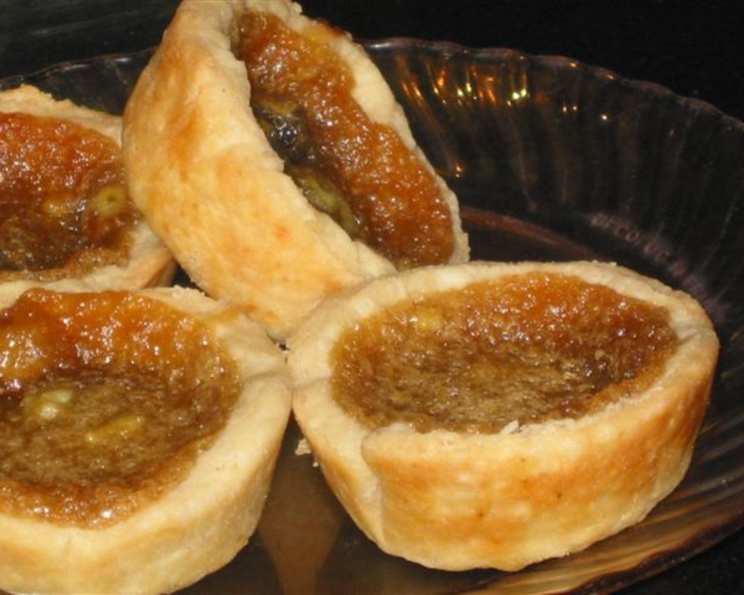
Real Canadian Butter Tarts: A Sweet Taste of Home
There are few things that evoke the comforting embrace of a Canadian childhood quite like a warm, gooey butter tart. I remember countless trips to my grandmother’s kitchen, the air thick with the sweet, caramelized scent of baking. She’d always have a cooling rack laden with these golden treasures, each one a perfectly imperfect little cup of pure joy. My favourite part was always peeling back the slightly crisp edges of the pastry to get to the molten filling, a delightful dance between textures that never failed to transport me back to those cherished moments. These aren’t just tarts; they’re edible memories, a cornerstone of every holiday gathering and a testament to simple, honest baking.
Recipe Overview
- Prep Time: 20 minutes
- Cook Time: 25-30 minutes
- Total Time: 45-50 minutes
- Servings: 24
- Yield: 24 tarts
- Dietary Type: Traditional
Ingredients
For the Pastry:
(Note: For the pastry, I always recommend using a good quality, flaky lard like Tenderflake. Follow the instructions on the Tenderflake box for the pastry, chilling the dough before rolling. Roll it a little thicker than for standard pie pastry, and use a touch more flour if needed to prevent sticking.)
For the Filling:
- 1 cup butter, melted
- 3 tablespoons vinegar
- 4 eggs, lightly beaten
- 4 cups brown sugar
- 2 teaspoons vanilla
- 1/4 cup currants
Equipment Needed
- 24-cup tart tin or mini muffin tins
- Pastry brush (optional)
- Medium mixing bowl
- Whisk
- Spoon
- Rolling pin
- Round cookie cutter (slightly larger than your tart tin cups)
- Cooling rack
- Oven
Instructions
- Prepare the Pastry: Begin by preparing your pastry dough according to the instructions on the Tenderflake lard box. Ensure the dough is well-chilled before you begin rolling.
- Roll and Cut: On a lightly floured surface, roll out the pastry dough a little thicker than you would for a standard pie crust. Use a round cookie cutter that is slightly larger than the diameter of your tart tin cups to cut out circles of dough.
- Line the Tarts: Gently press the pastry circles into the individual cups of your tart tins or mini muffin tins. Ensure the pastry is snug against the bottom and sides.
- Add the Currants: In each unbaked tart shell, sprinkle approximately 6 to 8 currants. These little jewels will soak up the sweet filling and add a delightful chewiness.
- Cool the Butter: In a separate bowl, allow the melted butter to cool to room temperature. This is an important step to ensure the filling emulsifies properly.
- Prepare the Filling: Once the butter has cooled, add the vinegar, lightly beaten eggs, brown sugar, and vanilla to the bowl. Stir everything together until the mixture is smooth and well combined.
- Fill the Tarts: Carefully spoon the filling mixture into the prepared, unbaked tart shells. Fill each tart about two-thirds full. This prevents the filling from boiling over.
- Initial Baking: Preheat your oven to 200°F (95°C). Place the filled tarts in the preheated oven and bake for 15 minutes.
- Adjust Temperature and Continue Baking: After the initial 15 minutes, without removing the tarts from the oven, turn the oven temperature up to 350°F (175°C). Continue to bake for another 10 to 15 minutes, or until the edges of the butter tarts begin to brown and the filling is set with a slight wobble in the center. This two-stage baking method is key to preventing the filling from boiling over.
- Cool: Once baked, remove the tarts from the oven and let them cool in the tins for a few minutes before carefully transferring them to a wire cooling rack to cool completely.
Expert Tips & Tricks
The magic of a truly exceptional butter tart lies in a few well-kept secrets. For that ultimate flaky crust, don’t skimp on the lard – it’s the secret to tenderness. When rolling out your dough, a slightly thicker crust provides a sturdy vessel for the molten filling and prevents any dreaded leaks. The two-stage baking is truly your best friend here; it allows the filling to cook gently at a lower temperature before finishing with a burst of heat to achieve that coveted golden-brown hue. Patience during the cooling process is also a virtue; while it’s tempting to dive in immediately, allowing them to cool slightly on a rack helps the filling set properly.
Serving & Storage Suggestions
Butter tarts are best served warm, or at room temperature. They are delightful on their own, but for an extra touch of indulgence, a dollop of freshly whipped cream or a scoop of vanilla bean ice cream makes them truly magnificent.
Store cooled butter tarts in an airtight container at room temperature for up to 3 days. If you need to store them for longer, they can be refrigerated for up to a week. For extended storage, freeze them in a single layer on a baking sheet until firm, then transfer to a freezer-safe container or bag for up to 3 months. Thaw at room temperature or gently reheat in a low oven.
Nutritional Information
| Nutrient | Amount per Serving | % Daily Value |
|---|---|---|
| Calories | 223.9 kcal | |
| Calories from Fat | 145.8 kcal | |
| Total Fat | 16.2 g | 21% |
| Saturated Fat | 9.1 g | 46% |
| Cholesterol | 34.8 mg | 12% |
| Sodium | 80.6 mg | 3% |
| Total Carbohydrate | 18.4 g | 6% |
| Dietary Fiber | 0.1 g | 0% |
| Sugars | 15.2 g | |
| Protein | 1.4 g | 3% |
(Note: Nutritional values are estimates and can vary based on specific ingredients and brands used.)
Variations & Substitutions
While the classic butter tart is perfection in its own right, there are delightful ways to personalize this Canadian icon. For a touch of nutty flavour and texture, consider adding chopped pecans or walnuts to the filling along with, or instead of, the currants. A few drops of maple extract can also lend a wonderful Canadian twist. Some bakers also prefer to use raisins in place of currants, offering a slightly different sweetness and chew. If you find yourself with an abundance of butterscotch chips, a small handful can be a decadent addition.
FAQs
Q: Why is the oven temperature changed during baking?
A: The initial low temperature (200°F / 95°C) gently cooks the filling, preventing it from bubbling over the crust. The subsequent higher temperature (350°F / 175°C) allows the edges to brown and the filling to set properly.
Q: Can I make butter tarts without currants?
A: Absolutely! While currants are traditional, you can substitute them with raisins, chopped pecans, or walnuts for a different flavour and texture.
Q: My butter tart filling boiled over. What did I do wrong?
A: This usually happens if the tarts are overfilled or if the oven temperature is too high from the start. Ensure you fill the shells only about two-thirds full and follow the two-stage baking process precisely.
Q: How long do butter tarts stay fresh?
A: Properly stored, butter tarts will remain fresh at room temperature for up to 3 days, and can be refrigerated for up to a week.
Q: What kind of vinegar should I use?
A: Regular white vinegar is perfectly suitable. The small amount of vinegar helps to balance the sweetness and tenderize the filling.
Final Thoughts
Baking these Real Canadian Butter Tarts is more than just a culinary exercise; it’s an invitation to connect with a cherished tradition. The aroma that fills your kitchen as they bake is truly intoxicating, a promise of the deliciousness to come. I encourage you to gather your ingredients, embrace the simple steps, and create your own sweet memories. Whether you share them with loved ones or savour them yourself with a warm mug of tea, these butter tarts are sure to bring a smile to your face and a taste of genuine Canadian comfort. Let me know how yours turn out!