
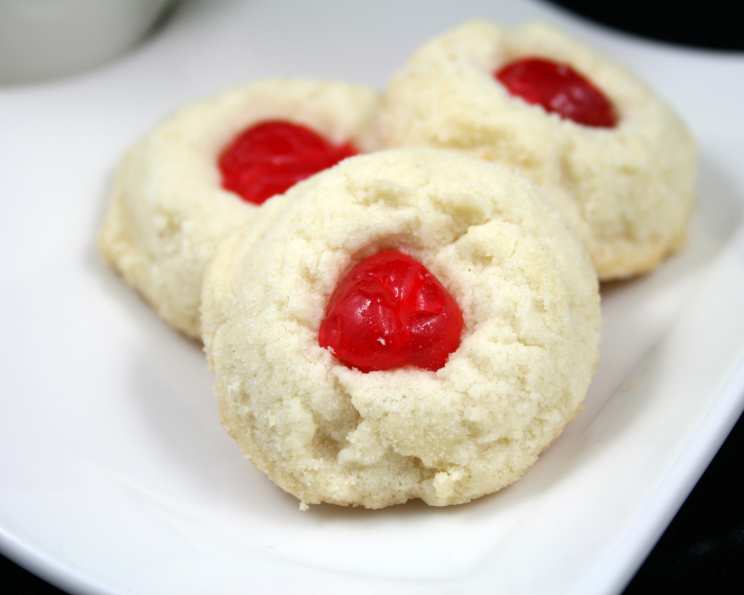
The Quintessential Real English Shortbread: 123 Shortbread
There’s a certain magic that unfolds when the scent of warm butter and sugar fills the kitchen. It’s a scent that instantly transports me back to my grandmother’s sun-drenched pantry, where a tin of homemade shortbread was always at the ready. This particular recipe, whispered down from an old English lady to my grandmother and then lovingly passed to me, is more than just a cookie; it’s a taste of heritage, a testament to simplicity, and an absolute triumph in texture. The sheer delight of sinking your teeth into a piece of this perfectly crumbly, melt-in-your-mouth shortbread is an experience that never grows old.
Recipe Overview
- Prep Time: 20 minutes
- Cook Time: 10-15 minutes
- Total Time: 30-35 minutes
- Servings: 4-6
- Yield: 24 cookies
- Dietary Type: Vegetarian
Ingredients
- 1 cup sugar
- 2 cups butter, softened
- 3 cups white flour
Equipment Needed
- Large mixing bowl
- Electric mixer (handheld or stand mixer) or a sturdy spoon and strong arm
- Baking sheets
- Parchment paper
- Spoon (for dropping dough)
- Cooling rack
- Christmas cherries (optional, for decoration)
Instructions
Creating this classic shortbread is as straightforward as its name suggests, but the results are anything but ordinary. The key is in the technique and a little patience.
- Prepare the Butter and Sugar: Begin by ensuring your butter is properly softened. It should be pliable and yield easily to the touch, but not so soft that it’s melting. In a large mixing bowl, combine the softened butter with the sugar.
- Cream the Mixture: Using an electric mixer or a robust spoon, beat the sugar into the butter. This is a crucial step for achieving the right texture. The original recipe suggests leaving this mixture on the counter for about half an hour to allow the sugar to properly dissolve into the butter. This helps prevent a gritty texture in the finished shortbread and creates a smoother, more cohesive dough. Continue beating until the mixture becomes pale and fluffy.
- Incorporate the Flour: Gradually add the white flour to the creamed butter and sugar mixture. Beat or mix until the ingredients are just combined and form a soft dough. Be careful not to overmix at this stage, as this can develop the gluten in the flour and result in tough shortbread. The goal is a dough that holds together nicely.
- Preheat the Oven: Preheat your oven to 300°F (150°C) or 325°F (160°C). The original recipe gives a slight range, and both temperatures will yield excellent results, with the lower temperature requiring a slightly longer bake.
- Prepare Baking Sheets: Line baking sheets with parchment paper. This prevents the shortbread from sticking and makes for easier cleanup.
- Form the Cookies: Using a spoon, drop rounded spoonfuls of the dough onto the prepared baking sheets. Aim for roughly uniform sizes so they bake evenly. There’s no need to flatten them significantly; they will spread slightly during baking.
- Add Optional Toppings: If you’re feeling festive or want a touch of tradition, you can place a christmas cherry half on top of each cookie. This adds a delightful visual element and a subtle fruity note.
- Bake the Shortbread: Place the baking sheets into the preheated oven. Bake for 10-15 minutes, or until the edges are just beginning to turn a pale golden brown. The original recipe notes that the exact baking time can vary, and it’s important not to overbake them. They should remain pale for that characteristic soft, buttery shortbread texture.
- Cool the Shortbread: Once baked, carefully remove the baking sheets from the oven. Let the shortbread cool on the baking sheets for a few minutes before gently transferring them to a cooling rack to cool completely. This allows them to firm up without becoming brittle.
Expert Tips & Tricks
The beauty of this 123 shortbread lies in its simplicity, but a few chef’s touches can elevate it even further.
- Butter Quality: For the best flavor and texture, use a good quality, unsalted butter. The butter is the star here, so don’t compromise.
- Softening vs. Melting: It’s crucial that your butter is softened, not melted. Melted butter will change the structure of the dough and lead to a greasy cookie. If you’re in a rush, you can gently microwave cold butter in 10-second increments, stirring in between, until it’s just softened.
- Don’t Overmix: Once the flour is added, mix only until it’s just incorporated. Overworking the dough will lead to tough shortbread.
- Oven Variations: Ovens can vary significantly. It’s always a good idea to keep an eye on your shortbread during the last few minutes of baking, even if you’re following the recipe’s time. The goal is a pale biscuit, not a deeply browned one.
- Sifting Flour: While not strictly necessary for this recipe, sifting your flour can help to aerate it and ensure it’s evenly distributed, potentially leading to a lighter texture.
- Testing for Doneness: The shortbread is done when the edges are lightly golden. The centers should still look pale and slightly soft. They will continue to firm up as they cool.
Serving & Storage Suggestions
This shortbread is a delight served simply with a cup of tea or coffee. It’s also wonderfully paired with a glass of milk or even a small glass of sherry for a more grown-up indulgence. For presentation, arrange them artfully on a platter.
Leftovers can be stored in an airtight container at room temperature for up to a week. They actually tend to improve with a day or two of storage, allowing the flavors to meld. They do not require refrigeration. If they lose a little crispness, a few minutes in a low oven (around 250°F/120°C) can revive them.
Nutritional Information
| Nutrient | Amount per Serving (approx.) | % Daily Value (approx.) |
|---|---|---|
| Calories | 1348.5 kcal | N/A |
| Calories from Fat | 836 kcal | N/A |
| Total Fat | 93 g | 143% |
| Saturated Fat | 58.5 g | 292% |
| Cholesterol | 244 mg | 81% |
| Sodium | 812.8 mg | 33% |
| Total Carbohydrate | 121.6 g | 40% |
| Dietary Fiber | 2.5 g | 10% |
| Sugars | 50.2 g | 200% |
| Protein | 10.7 g | 21% |
(Note: Nutritional information is an estimate and can vary based on specific ingredients and portion sizes.)
Variations & Substitutions
While this recipe is perfection in its pure form, a few creative twists can add new dimensions.
- Citrus Zest: For a hint of brightness, add the zest of one lemon or orange to the butter and sugar mixture.
- Vanilla Extract: A teaspoon of vanilla extract can be added along with the butter and sugar for a subtle warmth.
- Chocolate Drizzle: Once cooled, drizzle melted dark or white chocolate over the shortbread for a touch of decadence.
- Nutty Delight: Finely chop some toasted almonds or hazelnuts and mix them into the dough for added texture and flavor.
- Spice It Up: A pinch of ground cardamom or nutmeg can add an interesting aromatic note.
FAQs
Q: Why is my shortbread tough?
A: This is most likely due to overmixing the dough after the flour has been added, which develops the gluten. Mix only until the ingredients are just combined.
Q: My shortbread is spreading too much. What did I do wrong?
A: Ensure your butter was softened but not melted. Also, make sure your oven is preheated to the correct temperature. Using cold butter that hasn’t been properly creamed with sugar can also contribute to excessive spreading.
Q: Can I use salted butter instead of unsalted?
A: You can, but you may want to reduce the amount of added salt in other recipes. For this shortbread, unsalted butter is preferred to control the saltiness and allow the pure buttery flavor to shine.
Q: How long does this shortbread last?
A: When stored properly in an airtight container at room temperature, this shortbread will stay fresh and delicious for up to a week.
Q: Can I make this recipe gluten-free?
A: While this recipe relies on traditional wheat flour for its signature crumb, you could experiment with a good quality gluten-free all-purpose flour blend. You might need to adjust the liquid content slightly, and the texture may differ.
Final Thoughts
This 123 shortbread is a testament to the fact that the most beloved recipes are often the simplest. It’s a cookie that celebrates pure, unadulterated butter and sugar, baked to a perfect, delicate crumb. Whether you’re looking for a comforting treat for a quiet afternoon or a delightful addition to a festive gathering, this shortbread will not disappoint. It’s a recipe that invites you to connect with tradition and create your own cherished memories in the kitchen. Bake a batch, share the joy, and savor every melt-in-your-mouth bite.