
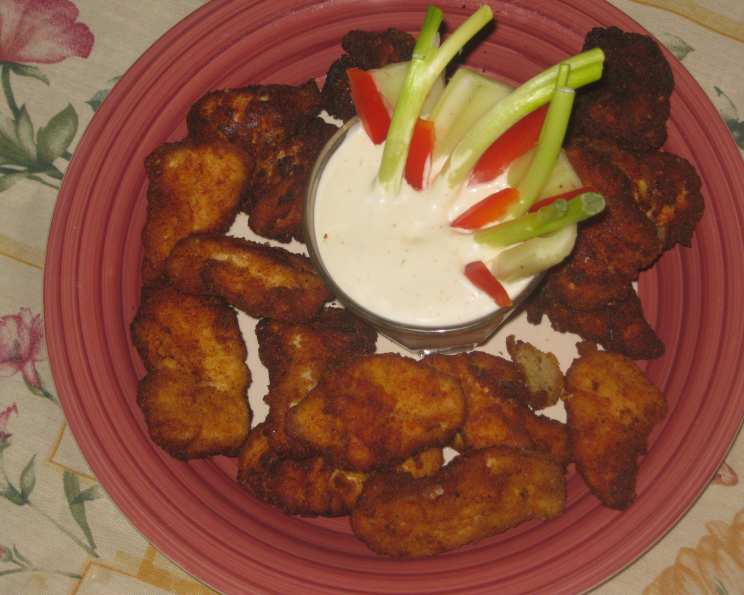
Real Good Chicken Tenders: A Culinary Hug from My Aunt Lisa
There are certain dishes that just feel like a warm embrace, a taste of pure comfort that transports you back to simpler times. For me, those feelings are inextricably linked to a batch of chicken tenders my Aunt Lisa showed me how to make just a few weeks ago. Her kitchen, usually a whirlwind of activity and laughter, became a haven of focused, delicious creation as she meticulously guided me through each step. We weren’t just making chicken tenders; we were crafting edible gold, destined to bring smiles to faces, a testament to her generous spirit and her knack for making even the simplest foods feel extraordinary.
Recipe Overview
- Prep Time: 15 minutes
- Cook Time: 30 minutes (approximate, depending on batch size)
- Total Time: 45 minutes
- Servings: 8-14
- Yields: 24-36 chicken strips
- Dietary Type: Not Specified
Ingredients
The beauty of these chicken tenders lies in their straightforward yet impactful ingredient list. It’s a testament to how quality basics can create something truly remarkable.
- 6-7 pieces boneless, skinless chicken (about 1.5 – 2 lbs)
- 2 cups Italian seasoned breadcrumbs
- 1 cup Italian blend grated Parmesan cheese
- 4-5 large eggs
- 2 tablespoons hot sauce
Equipment Needed
While this recipe doesn’t require a battalion of specialized tools, a few key pieces will make the process smoother and more enjoyable.
- Sharp knife and cutting board
- Two shallow bowls or dishes (one for the egg wash, one for the dry coating is ideal, though the recipe specifies one for the egg mixture and a gallon bag for the dry)
- Tongs
- Gallon-sized resealable plastic bag
- Large frying pan or skillet
- Stovetop
- Spatula for flipping
- Plate lined with paper towels for draining
- Optional: Wire rack set over a baking sheet for extra crispy tenders
Instructions
The process of transforming simple chicken into these “Real Good” tenders is a delightful dance of dipping, coating, and frying. Follow these steps precisely for guaranteed deliciousness.
- Begin by preparing your chicken. Slice the boneless, skinless chicken into thin strips. Aim for pieces that are roughly uniform in thickness to ensure even cooking. Think of them as about ½-inch thick and 2-3 inches long.
- In a small dish or bowl, whisk together the 4-5 large eggs with the 2 tablespoons of hot sauce. This creates your flavor-infused egg wash. The hot sauce adds a subtle warmth and depth that elevates the final flavor profile.
- Next, in a gallon-sized resealable plastic bag, combine the 2 cups of Italian seasoned breadcrumbs and the 1 cup of Italian blend grated Parmesan cheese. Seal the bag and give it a good shake to ensure the breadcrumbs and cheese are thoroughly mixed. This is your crispy coating.
- Now, the fun begins! Taking up to 4-5 pieces at a time, place each chicken strip into the egg mixture, ensuring it’s fully coated.
- Using tongs, carefully lift each coated chicken strip from the egg mixture, allowing any excess to drip back into the bowl. Then, place each strip into the gallon-sized bag with the breadcrumb and cheese mixture.
- Seal the bag tightly and shake it gently but thoroughly to coat each chicken strip evenly. Make sure every nook and cranny is covered in that delicious seasoned breadcrumb and Parmesan mixture.
- Prepare your frying station. In a large frying pan or skillet, pour enough oil to cover the bottom of the pan. You want a generous layer of oil, but not so much that the tenders are fully submerged. Medium-high heat is typically ideal for this.
- Once the oil is shimmering and hot (you can test this by dropping a tiny bit of breadcrumb into the oil – it should sizzle immediately), carefully place each chicken strip into the bottom of the pan. Do not overcrowd the pan. Cook in batches if necessary to ensure the tenders cook evenly and get a good crisp.
- Cook the chicken strips until they are golden brown and cooked all the way through. This usually takes about 3-4 minutes per side, depending on the thickness of your strips and the heat of your oil. You’re looking for an internal temperature of 165°F (74°C) to ensure they are safe to eat.
- As each batch is cooked to perfection, remove the chicken strips from the pan using a spatula and place them on a plate lined with paper towels to drain any excess oil. This is crucial for maintaining crispiness.
- Repeat steps 4, 5, 6, and 7 (the dipping, coating, and frying process) until all your chicken is finished. This meticulous, batch-by-batch approach is what yields such consistently delicious results.
Expert Tips & Tricks
My Aunt Lisa’s wisdom extended beyond the basic steps. Here are a few insights that elevate these already fantastic tenders:
- Uniformity is Key: For the most even cooking, strive for chicken strips that are as close to the same size and thickness as possible. This ensures no pieces are undercooked or overcooked.
- Don’t Rush the Dredge: After coating in the breadcrumb mixture, give the bag a gentle shake and then let the coated tenders sit for a minute or two before frying. This helps the coating adhere better.
- Oil Temperature Matters: Too low, and your tenders will be greasy; too high, and they’ll burn before they cook through. A medium-high heat is your sweet spot. If you have a thermometer, aim for around 350°F (175°C).
- Double Dredge for Extra Crunch (Optional): For an even more robust, crispy exterior, you can double-dip. After the initial egg and breadcrumb coating, dip the chicken back into the egg, and then again into the breadcrumb mixture. This creates a thicker, more textured crust.
- Drainage is Your Friend: Don’t skip the paper towel step! Properly draining the fried tenders is essential for achieving that desirable crispiness rather than a soggy texture. Placing them on a wire rack over a baking sheet allows air to circulate, further enhancing crispness.
Serving & Storage Suggestions
These chicken tenders are a chameleon of deliciousness, pairing equally well with a casual weeknight dinner as they do with a celebratory appetizer spread.
Serve them piping hot, fresh from the pan, alongside your favorite dipping sauces – honey mustard, barbecue sauce, ranch dressing, or even a simple ketchup. They are fantastic with a side of crispy fries, a fresh green salad, or some creamy coleslaw.
For storage, allow any leftovers to cool completely before storing them in an airtight container in the refrigerator. They will typically keep well for 2-3 days. To reheat, the best method for maintaining crispiness is in a preheated oven or a toaster oven at around 350°F (175°C) until warmed through. Microwaving will likely result in a softer texture. These tenders are best enjoyed fresh, but leftovers, when properly stored and reheated, are still a delightful treat.
Nutritional Information
Here’s an estimated breakdown of the nutritional content for these Real Good Chicken Tenders. Please note that these values are approximate and can vary based on the exact ingredients and portion sizes used.
| Nutrient | Amount per Serving | % Daily Value |
|---|---|---|
| Calories | 198.8 kcal | |
| Calories from Fat | 34% | |
| Total Fat | 7.6 g | 11% |
| Saturated Fat | 3.4 g | 16% |
| Cholesterol | 115.1 mg | 38% |
| Sodium | 792.3 mg | 33% |
| Total Carbohydrate | 22 g | 7% |
| Dietary Fiber | 1.5 g | 5% |
| Sugars | 2 g | 7% |
| Protein | 10.2 g | 20% |
Variations & Substitutions
While the classic Italian-seasoned breadcrumb and Parmesan combination is undeniably delicious, feel free to experiment and make these tenders your own!
- Gluten-Free: For a gluten-free version, simply substitute the Italian seasoned breadcrumbs with a good quality gluten-free breadcrumb or even crushed gluten-free crackers. Ensure your Parmesan cheese is also gluten-free if necessary.
- Spicy Kick: If you love heat, increase the amount of hot sauce in the egg mixture, or add a pinch of cayenne pepper or red pepper flakes to the breadcrumb mixture for an extra layer of spice.
- Herbaceous Twist: Experiment with different dried herbs in the breadcrumb mixture. Thyme, rosemary, or a blend of your favorites can add a unique aroma and flavor.
- Panko Power: For an exceptionally crispy crust, use panko breadcrumbs instead of regular Italian seasoned breadcrumbs. The larger flakes create an incredible crunch.
- Cheese Swap: While Parmesan is classic, other grated hard cheeses like Pecorino Romano can offer a sharper, saltier profile.
FAQs
Q: Can I bake these chicken tenders instead of frying them?
A: While the original recipe calls for frying, you can bake them. Place them on a baking sheet lined with parchment paper and bake at 400°F (200°C) for 20-25 minutes, flipping halfway through, until golden and cooked through. They may not achieve the exact same level of crispiness as fried tenders, but they will still be delicious.
Q: What kind of oil is best for frying?
A: A neutral-flavored oil with a high smoke point is ideal. Vegetable oil, canola oil, or peanut oil are excellent choices for this recipe.
Q: My breading isn’t sticking well, what should I do?
A: Ensure your chicken is patted dry before dipping it in the egg wash. Also, make sure the egg wash is well-combined and the chicken is fully submerged. For the breadcrumbs, ensure you’re shaking the bag gently but thoroughly to coat.
Q: Can I prepare the chicken tenders ahead of time?
A: You can prepare the chicken strips (slice and coat) a few hours in advance and refrigerate them. However, it’s best to fry them just before serving for optimal crispness.
Q: How can I make the tenders healthier?
A: While frying is part of the appeal, baking as mentioned above is a healthier alternative. You could also try using whole wheat breadcrumbs for added fiber.
Final Thoughts
There’s a certain magic that happens when a recipe comes together perfectly, especially when it carries the warmth of a loved one’s touch. These “Real Good Chicken Tenders,” as my Aunt Lisa calls them, are more than just a meal; they’re a delightful reminder of shared moments in the kitchen, the simple joy of creating something delicious to nourish and please. I encourage you to gather your ingredients, embrace the process, and let the aroma of these golden tenders fill your home. Share them with friends, family, or simply savor them yourself – each bite is a little piece of culinary comfort, a testament to the enduring power of good food and good company. Happy cooking!