
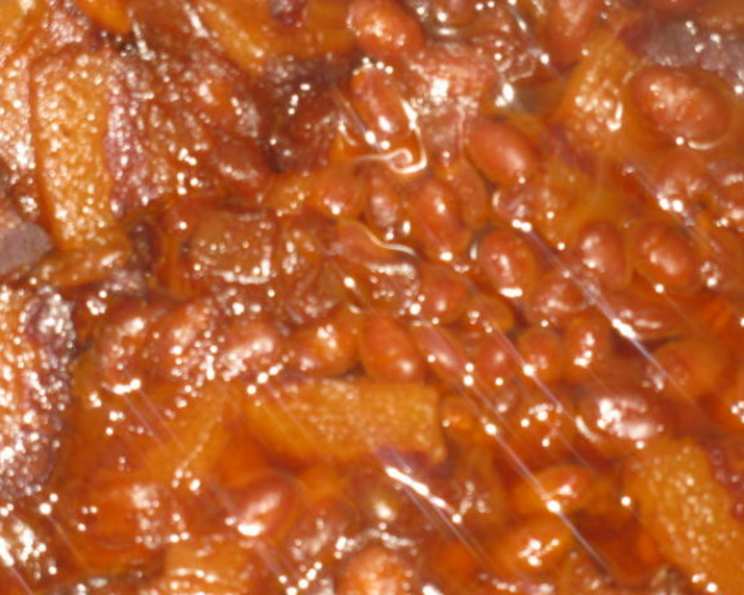
Real Old Fashion Oven Baked Beans
There’s a certain scent that can transport me back to my grandmother’s kitchen in an instant – a deep, sweet, savory aroma that spoke of slow cooking and unconditional love. It was the smell of her oven-baked beans, a dish that wasn’t just food, but a centerpiece for family gatherings and a warm hug on a chilly evening. While doctored-up canned beans have their place in a pinch, nothing truly compares to the soul-satisfying richness of beans baked low and slow for hours, developing a complexity of flavor that only time and patience can unlock. This recipe is my ode to those cherished memories, a faithful rendition that captures that authentic, old-fashioned magic.
Recipe Overview
- Prep Time: 15 minutes
- Cook Time: 3 to 4 hours
- Total Time: 3 hours 15 minutes to 4 hours 15 minutes (plus overnight soaking)
- Servings: 10-12
- Yield: Serves 10-12
- Dietary Type: Hearty & Comforting
Ingredients
- 1 lb navy beans
- 2 teaspoons baking soda
- Water
- 1/2 cup light molasses
- 1/2 cup catsup
- 1/2 cup light brown sugar
- 2 teaspoons Worcestershire sauce
- 2 teaspoons seasoning salt (Lawry’s is preferred)
- 1 teaspoon dry mustard
- 1 teaspoon black pepper
- 1/2 cup onion, chopped
- 1/2 lb thick slab bacon, diced (thick sliced is also perfectly acceptable)
Equipment Needed
- Large kettle or stockpot
- Bean pot, small covered roaster, or casserole dish (stoneware is preferred for authentic results)
- Aluminum foil (if your baking dish doesn’t have a tight-fitting lid)
- Measuring cups and spoons
- Colander or sieve
Instructions
The journey to truly exceptional oven-baked beans begins long before they hit the oven. It’s a process that respects the humble bean, coaxing out its inherent creaminess and deep, nutty flavor through a patient soaking and simmering ritual.
- Wash and Sort the Beans: Begin by carefully washing and sorting your navy beans. Take a moment to spread them out on a clean surface and pick through them meticulously, removing any small stones, debris, or discolored beans. This is a crucial first step that ensures a smooth eating experience.
- The Overnight Soak: Place the sorted navy beans into a large kettle or stockpot. Cover them generously with water, ensuring the water level is about 3 inches above the beans. This allows ample room for them to swell. Cover the pot and let them soak overnight. This rehydrates the beans and begins the softening process.
- Initial Simmering and Baking Soda Magic: The next morning, drain the beans from their soaking water. Return the beans to the kettle and add 6 cups of fresh, cold water. Now, for a touch of old-fashioned wisdom: stir in the baking soda. While it’s often said this helps remove the “music” from beans (a humorous nod to their… gaseous potential), it also helps to soften them further, contributing to a creamier texture.
- Boil and Simmer: Cover the pot and bring the water to a boil. It’s vital to WATCH CAREFULLY during this stage, as beans have a tendency to boil over rapidly. Once a rolling boil is achieved, reduce the heat and simmer gently for 10 minutes.
- Drain and Reserve Bean Water: After the 10-minute simmer, drain the beans once more. Crucially, reserve the bean water. This liquid, now infused with bean essence, will be used to build the rich sauce.
- Preheat the Oven: While the beans are resting, preheat your oven to 300°F (150°C). This low and slow temperature is key to achieving that tender, melt-in-your-mouth texture without drying them out.
- Assemble the Flavor Base: In a separate bowl, combine the light molasses, catsup, light brown sugar, Worcestershire sauce, seasoning salt, dry mustard, black pepper, and the chopped onion. Add 2 cups of the reserved bean water to this mixture and stir until well combined. This is where the magic begins to happen, creating the sweet, tangy, and savory sauce that will envelop the beans.
- Combine and Bake: Now, it’s time to bring it all together. Add the remaining ingredients (the cooked beans and the assembled sauce mixture) into your chosen bean pot, small covered roaster, or casserole dish. Ensure everything is well distributed. If your baking dish doesn’t have a tight-fitting lid, use double-thick aluminum foil to cover it securely. This traps the moisture and steam, essential for the long cooking process.
- The Slow Bake: Place the covered pot into the preheated oven. Bake for 3 to 4 hours.
- Check and Replenish: This is perhaps the most important part of the entire process. IMPORTANT: Check the beans every couple of hours. As they bake, the liquid will be absorbed and evaporate. Adding more of the reserved bean water as needed is crucial to prevent the beans from cooking dry. You want them to remain moist and tender throughout the entire baking period. The beans are done when they are incredibly tender and the sauce has thickened to a rich, syrupy consistency.
Expert Tips & Tricks
- Bacon Placement: For an extra layer of smoky richness, you can place the diced bacon directly on top of the bean mixture before covering and baking. This allows the rendered fat to slowly meld into the beans as they cook.
- The Right Pot: While a traditional stoneware bean pot is ideal for its even heat distribution and ability to retain moisture, a heavy-bottomed Dutch oven or a ceramic casserole dish with a tight-fitting lid will also yield excellent results. The key is to ensure a good seal to keep the steam in.
- Onion Power: If you love a more pronounced onion flavor, you can finely mince a larger onion or even grate it for more uniform distribution.
- Adjusting Sweetness: The balance of molasses and brown sugar is a matter of personal preference. If you prefer a sweeter bean, feel free to add an extra tablespoon or two of light brown sugar. Conversely, if you like them less sweet, reduce the sugar slightly.
- Doneness Test: The best indicator of doneness is texture. The beans should be so tender that they almost mash easily when pressed with a spoon. The sauce should be thick and glossy, not watery.
Serving & Storage Suggestions
Serve these Real Old Fashion Oven Baked Beans piping hot, straight from the oven. They are a magnificent side dish for grilled meats, barbecued chicken, or a hearty breakfast alongside scrambled eggs and toast. A sprinkle of fresh chopped parsley can add a touch of freshness and color.
Leftovers are a treasure. Once cooled, store any remaining beans in an airtight container in the refrigerator for up to 3-4 days. They often taste even better the next day as the flavors continue to meld. To reheat, gently warm them on the stovetop over low heat, adding a splash of water or bean liquid if they seem a bit dry. They can also be reheated in a covered dish in a 300°F (150°C) oven. For longer storage, freeze cooled beans in freezer-safe containers for up to 3 months. Thaw overnight in the refrigerator before reheating.
Nutritional Information
(Note: Nutritional values are estimates and can vary based on specific ingredients and brands used.)
| Nutrient | Amount per Serving | % Daily Value |
|---|---|---|
| Calories | 275.4 kcal | – |
| Calories from Fat | – | – |
| Total Fat | 10.6 g | 16% |
| Saturated Fat | 3.5 g | 17% |
| Cholesterol | 15.4 mg | 5% |
| Sodium | 702.6 mg | 29% |
| Total Carbohydrate | 39.5 g | 13% |
| Dietary Fiber | 5 g | 20% |
| Sugars | 23.4 g | 93% |
| Protein | 6.8 g | 13% |
Variations & Substitutions
- Pork Perfection: While thick-cut bacon is my preference, traditionalists might opt for lean salt pork, diced and rendered. Just be sure to remove excess fat if desired.
- Molasses Matters: If you can’t find light molasses, dark molasses can be used, but it will lend a more robust, slightly bitter flavor. You might want to adjust the sugar accordingly.
- Spicy Kick: For those who enjoy a bit of heat, a pinch of cayenne pepper or a dash of your favorite hot sauce can be added to the sauce mixture.
- Vegetarian Option: To create a vegetarian version, simply omit the bacon. You may want to add a little extra depth of flavor with a tablespoon of nutritional yeast or a touch more Worcestershire sauce (ensure it’s a vegetarian variety).
FAQs
Q: Why do you add baking soda to the beans?
A: Baking soda helps to soften the beans during the initial simmering process, contributing to a creamier texture. It’s an old trick that aids in the overall tenderness of the final dish.
Q: How do I know if my beans are cooked through?
A: The beans should be exceptionally tender, easily mashable with the back of a spoon, and the sauce should be thick and rich.
Q: Can I use a different type of bean?
A: While navy beans are traditional, other small white beans like Great Northern or cannellini beans can also work, though the soaking and cooking times might need slight adjustments.
Q: My beans seem dry. What should I do?
A: Check the beans more frequently and add more reserved bean water, or even regular water, if they are drying out before they are tender. Ensure your pot is well-covered.
Q: How can I make these beans ahead of time?
A: Baked beans are excellent for making ahead. They can be baked, cooled completely, and stored in the refrigerator for several days or frozen for longer storage.
Final Thoughts
There’s an inherent joy in preparing a dish that demands patience and rewards you tenfold. These Real Old Fashion Oven Baked Beans are more than just a recipe; they are a connection to culinary heritage, a celebration of slow food, and a guaranteed crowd-pleaser. Serve them with a sense of pride, knowing you’ve brought a piece of comforting tradition to your table. They pair beautifully with a crisp coleslaw or a simple cornbread, and a cold beer or a glass of iced tea makes for the perfect accompaniment. I hope they bring as much warmth and happiness to your table as they do to mine.