
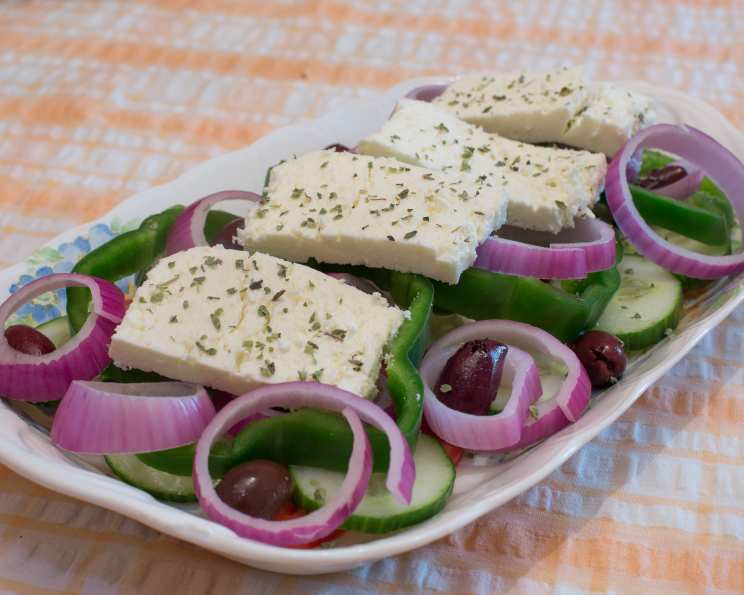
Really Authentic Greek Salad: A Taste of the Aegean
There’s a magic that happens when you experience food in its place of origin. My first trip to Greece was a revelation, a sensory explosion that redefined my understanding of classic dishes. I distinctly remember ordering what I thought was a Greek salad, only to be presented with a vibrant mosaic of fresh produce, utterly devoid of lettuce. Initially, I was perplexed, but that first bite of the unadorned, authentic creation was nothing short of a culinary epiphany. It quickly became my go-to, a dish I sought out again and again, cementing itself as an indelible memory of the sun-drenched Greek islands. The secret, I learned, lies in the unparalleled freshness of the ingredients, especially the feta – a world away from what I was accustomed to back home. This salad, in its purest form, is a revelation, capable of being a satisfying main for one or a delightful accompaniment for two to three.
Recipe Overview
- Prep Time: 10 minutes
- Cook Time: 0 minutes
- Total Time: 10 minutes
- Servings: 1-3
- Yield: 1 generous serving
- Dietary Type: Vegetarian, Gluten-Free
Ingredients
The soul of this salad resides in the quality and simplicity of its components. Seek out the freshest, ripest produce you can find; it truly makes all the difference.
- 2 medium tomatoes, halved and then thickly sliced. If you’re serving more than one person, don’t hesitate to add another tomato to the mix.
- 1 cucumber, sliced to a thickness of about 1/4 inch. Peeling is entirely optional; I often leave the skin on for added texture and nutrients.
- 1 green bell pepper, cored, seeded, and sliced into rings. A vibrant green adds a beautiful visual contrast.
- 1-2 slices red onion, separated into individual rings. The amount is really to your personal preference; start with one slice if you’re new to raw onion in salads.
- 5-10 Kalamata olives. These briny, flavorful olives are non-negotiable for an authentic taste.
- 1/4 lb Greek feta cheese, sliced thickly. This is where you absolutely must invest in good quality Greek feta. The crumbly, salty blocks from sheep’s milk are essential.
- Dried Greek oregano (Rigani). This aromatic herb is the quintessential Greek seasoning.
- Top-quality extra virgin olive oil. This will be served on the side, allowing each diner to drizzle as much or as little as they desire.
Equipment Needed
This salad requires minimal equipment, focusing on the freshness of raw ingredients rather than cooking processes.
- A sharp knife for precise slicing.
- A cutting board.
- A serving platter or individual plates for presentation.
Instructions
The beauty of an authentic Greek salad lies in its effortless assembly. There’s no cooking involved, just the artful arrangement of vibrant, fresh ingredients.
- Prepare the Vegetables: Begin by preparing your vegetables as described in the ingredients list. Halve and thickly slice the tomatoes. Slice the cucumber to about 1/4 inch thickness. Core, seed, and slice the green bell pepper into rings. Separate the red onion slices into individual rings. The goal here is for each bite to contain a harmonious blend of textures and flavors.
- Arrange on Platter: On a large serving platter or individual plates, artfully arrange all the prepared vegetables. You want to create a visually appealing mosaic of colors – the deep red of the tomatoes, the green of the cucumber and bell pepper, and the delicate rings of red onion.
- Add the Olives and Feta: Scatter the Kalamata olives over the arranged vegetables. Then, gently place the thick slices of Greek feta cheese on top. Aim for an even distribution so each serving gets a good amount of feta.
- Season Generously: Sprinkle the entire salad liberally with dried Greek oregano (Rigani). This fragrant herb is a key component of the salad’s signature flavor profile. Don’t be shy with it; the oregano infuses the entire dish.
- Serve with Olive Oil: Present the salad immediately with a bottle of top-quality extra virgin olive oil on the side. This is crucial. In authentic Greek cuisine, the dressing is often added at the table, allowing each person to customize their salad to their liking. A generous drizzle of good olive oil is the perfect finisher.
Expert Tips & Tricks
While this salad is wonderfully straightforward, a few considerations can elevate it from good to truly exceptional.
- Ingredient Quality is Paramount: I cannot stress this enough. The success of this salad hinges entirely on the quality of your ingredients. Use the ripest, most flavorful tomatoes you can find, a crisp cucumber, and the best Greek feta available. The difference between a mediocre feta and a superior Greek feta is like night and day.
- Don’t Over-Slice: Aim for substantial, satisfying pieces of vegetables. Overly thin slices can become mushy. The thickness of the tomato slices and cucumber rounds allows them to hold their shape and offer a pleasant bite.
- The Feta Matters Most: Seek out imported Greek feta, preferably from sheep’s milk. It’s typically sold in blocks submerged in brine. Avoid pre-crumbled feta, which is often drier and less flavorful.
- Oregano is Key: While any dried oregano will work, look for “Greek oregano” or “Rigani” for the most authentic flavor. It has a more pungent and complex aroma than common oregano.
- Olive Oil on the Side: This is not just a suggestion; it’s a tradition. Serving the olive oil separately allows for personalization. A truly great olive oil will transform the salad with its peppery notes and fruity aroma.
Serving & Storage Suggestions
This salad is best enjoyed immediately after preparation, capturing the peak freshness of its ingredients.
- Serving: Serve as a light main course for one or as a vibrant side dish for a larger meal. It pairs wonderfully with grilled meats, fish, or crusty bread for soaking up any lingering olive oil.
- Storage: Due to the nature of fresh, raw vegetables and feta cheese, this salad is not designed for long-term storage. If you have any leftovers (which is unlikely!), store them in an airtight container in the refrigerator. It will keep for about 1 day, but the texture of the vegetables will soften over time. It’s best enjoyed fresh.
Nutritional Information
Please note that this nutritional information is an estimate and can vary based on the specific ingredients and quantities used.
| Nutrient | Amount per Serving | % Daily Value |
|---|---|---|
| Calories | 421.9 kcal | |
| Calories from Fat | N/A | |
| Total Fat | 27.3 g | 42% |
| Saturated Fat | 17.5 g | 87% |
| Cholesterol | 101.1 mg | 33% |
| Sodium | 1445.8 mg | 60% |
| Total Carbohydrate | 28.6 g | 9% |
| Dietary Fiber | 6 g | 23% |
| Sugars | 16.4 g | 65% |
| Protein | 20.5 g | 41% |
Variations & Substitutions
While the classic Greek salad is perfection in its simplicity, here are a few ideas for those who like to experiment:
- Add Capers: A sprinkle of briny capers can add another layer of salty complexity.
- Include Bell Pepper Variations: While green bell pepper is traditional, a mix of red, yellow, or orange bell peppers can add sweetness and visual interest.
- Cucumber Peeling: As mentioned, peeling the cucumber is optional. If you prefer a softer texture or if your cucumber skin is particularly tough, you can peel it.
- Onion Intensity: If you find raw red onion too sharp, you can soak the rings in cold water for 10-15 minutes before draining and adding them to the salad. This will mellow their flavor.
FAQs
Q: Why is there no lettuce in an authentic Greek salad?
A: The traditional Greek salad, or “Horiatiki Salata” (village salad), is defined by its hearty, chunky raw vegetables and feta cheese, without any leafy greens.
Q: Can I make this salad ahead of time?
A: It is best to assemble this salad just before serving to ensure the vegetables remain crisp and fresh.
Q: What kind of feta cheese should I use?
A: For the most authentic flavor, use Greek feta cheese made from sheep’s milk, preferably in a brine-filled container.
Q: Is it acceptable to add other vegetables?
A: While this recipe focuses on the classic components, feel free to experiment with additions like artichoke hearts or fresh herbs like parsley or mint. However, for a truly “authentic” experience, stick to the ingredients listed.
Q: How can I make the red onion less pungent?
A: Soaking the red onion rings in cold water for about 10-15 minutes will help to mellow their sharp flavor.
Final Thoughts
This truly authentic Greek salad is more than just a dish; it’s an experience. It’s a testament to the power of fresh, high-quality ingredients speaking for themselves. Each bite is a journey to the sun-drenched shores of Greece, a symphony of textures and flavors that are both simple and profoundly satisfying. I encourage you to seek out the best ingredients you can find and to savor the process of assembling this vibrant masterpiece. Serve it with a crisp white wine, like a Greek Assyrtiko, or a refreshing glass of water, and let the flavors transport you. I’d love to hear about your experience with this authentic taste of Greece!