
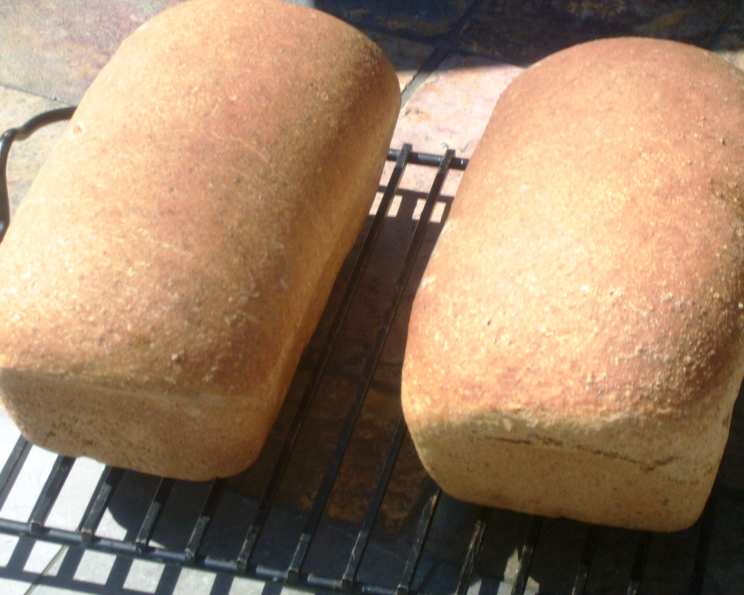
Rebecca’s Jewish Rye Bread: A Slice of Comfort
There are some recipes that transcend mere sustenance; they become heirlooms, whispered secrets passed down through generations, imbued with memories and the warmth of shared kitchens. Rebecca’s Jewish Rye Bread is one such recipe for me. While I didn’t grow up with a “Rebecca” in my immediate family tree, this bread evokes that very feeling – the comforting aroma filling a bustling home, the anticipation of a perfectly sliced sandwich, the simple joy of a well-made staple. It’s the kind of bread that makes you want to reach for good quality mustard, thinly sliced pastrami, and a handful of pickles. It’s honest, it’s flavorful, and it’s a testament to the magic that happens when simple ingredients are treated with respect.
Recipe Overview
- Prep Time: 4 hours 10 minutes (includes machine time)
- Cook Time: N/A (bread machine)
- Total Time: 4 hours 10 minutes
- Servings: Approximately 12 slices
- Yield: 1 (2-pound) loaf
- Dietary Type: Contains Gluten
Ingredients
Crafting this exceptional loaf begins with a thoughtful selection of ingredients. The combination of flours provides a delightful balance of texture and depth, while the unique additions elevate it beyond a standard rye.
- 1 2⁄3 cups water
- 4 teaspoons vegetable oil
- 1 cup rye flour
- 2 cups white bread flour
- 1 cup white whole wheat flour (King Arthur brand is recommended for its consistent quality)
- 2 1⁄2 tablespoons caraway seeds
- 3 tablespoons dehydrated onion
- 1 1⁄2 teaspoons salt
- 4 teaspoons molasses
- 4 teaspoons gluten (vital wheat gluten, for enhanced structure)
- 2 1⁄2 teaspoons bread machine yeast
Equipment Needed
This recipe is designed for ease of use with a bread machine, so your primary piece of equipment will be:
- Bread Machine
- Measuring Cups and Spoons
- Cooling Rack
Instructions
The beauty of this recipe lies in its simplicity, particularly when utilizing a bread machine. The order of ingredients is crucial for the machine to properly mix and knead the dough. Follow these steps carefully for a perfect bake.
- Begin by adding the ingredients to your bread machine pan in the exact order listed above. This order is designed to ensure proper hydration and mixing for the bread machine’s cycle.
- Once all ingredients are in the pan, secure the lid of your bread machine.
- Select the “Basic” cycle on your bread machine.
- Choose the “Light Crust” setting for your baking preference.
- Start the bread machine and allow it to complete its cycle. This typically involves mixing, kneading, rising, and baking.
- Once the cycle is finished, carefully remove the bread pan from the machine.
- Gently remove the freshly baked loaf from the pan. If it seems to be sticking, you may need to carefully invert the pan over a cooling rack.
- Place the loaf on a wire cooling rack to cool completely before slicing. This step is essential for allowing the internal structure of the bread to set, preventing a gummy texture.
Expert Tips & Tricks
To elevate your experience with Rebecca’s Jewish Rye Bread, consider these seasoned insights:
- Ingredient Quality Matters: While the recipe is forgiving, using good quality white whole wheat flour, such as King Arthur’s, can make a noticeable difference in the bread’s overall flavor and texture.
- Dehydrated Onion Impact: The dehydrated onion might seem like a minor addition, but it imparts a wonderful savory depth and a subtle chewiness that is incredibly satisfying. If you can’t find dehydrated onion, you can finely mince fresh onion and sauté it until very dry before adding, but be mindful that this may alter the moisture content slightly.
- The Role of Gluten: Vital wheat gluten is a secret weapon in bread making, especially for machine-made loaves. It significantly improves the dough’s elasticity and structure, resulting in a better rise and a more open crumb. Don’t skip it if you’re seeking that ideal bread texture.
- Caraway Seed Bloom: For a more pronounced caraway flavor, you can lightly toast the caraway seeds in a dry skillet over medium heat for about 1-2 minutes until fragrant before adding them to the bread machine. Be careful not to burn them.
- Molasses for Depth: The molasses not only adds a beautiful dark hue but also contributes a subtle sweetness and a characteristic rye bread tang. Use a good quality unsulphured molasses for the best flavor.
- Doneness Test (If Using Oven): While the bread machine handles the baking, if you were to adapt this for oven baking, the internal temperature of a perfectly baked loaf should register between 190-200°F (88-93°C) when tested with an instant-read thermometer.
Serving & Storage Suggestions
This bread is a champion in its own right, but it truly shines when paired with classic accompaniments.
- For Sandwiches: Rebecca’s Jewish Rye Bread is the ultimate foundation for hearty sandwiches. Think pastrami on rye, corned beef, a simple ham and cheese, or even a vegetarian option piled high with grilled vegetables and hummus. A smear of good Dijon mustard is almost mandatory.
- Toasted: For breakfast or a snack, slice the bread and toast it until golden brown. It’s delicious with butter, cream cheese, or your favorite jam.
- With Soup or Stew: The sturdy texture of this rye makes it an excellent accompaniment to hearty soups and stews, providing a satisfying bite to soak up every last drop.
Storage:
This loaf is best enjoyed fresh, but it stores well.
- Room Temperature: Store the cooled loaf in a bread box or a loosely tied plastic bag at room temperature for 2-3 days.
- Refrigeration: For longer storage, wrap the bread tightly in plastic wrap and then in foil, and store in the refrigerator for up to a week. Note that refrigeration can slightly dry out bread.
- Freezing: To freeze, slice the cooled loaf and wrap individual slices or the entire loaf tightly in plastic wrap and then in a layer of aluminum foil or a freezer-safe bag. It will keep in the freezer for up to 3 months. Thaw at room temperature or gently toast frozen slices.
Nutritional Information
Here’s an estimated nutritional breakdown for this delicious loaf. Please note that these values are approximate and can vary based on specific ingredient brands and exact measurements.
| Nutrient | Amount per Serving (approx. 1/12 of loaf) | % Daily Value |
|---|---|---|
| Calories | ~170 kcal | |
| Total Fat | ~2.4 g | 3% |
| Saturated Fat | ~0.4 g | 2% |
| Cholesterol | 0 mg | 0% |
| Sodium | ~294 mg | 13% |
| Total Carbohydrate | ~30.5 g | 11% |
| Dietary Fiber | ~3.5 g | 12% |
| Sugars | ~2.0 g | 2% |
| Protein | ~6.1 g | 12% |
Variations & Substitutions
While this recipe is wonderfully balanced, feel free to explore some delightful variations:
- For a Deeper Rye Flavor: If you enjoy a more intense rye experience, consider substituting an additional 1/2 cup of rye flour for an equal amount of white bread flour. This will result in a denser loaf with a more pronounced rye character.
- Seed Spectrum: Experiment with other seeds alongside or in place of caraway. Poppy seeds, sesame seeds, or a mix of sunflower and pumpkin seeds can add wonderful texture and flavor. Add them in similar quantities to the caraway seeds.
- A Touch of Sweetness: For a slightly sweeter bread, you can increase the molasses by 1-2 teaspoons, or add 1 tablespoon of honey to the liquid ingredients.
- Herbal Notes: A teaspoon of dried dill or a tablespoon of fresh chopped chives can add a lovely herbaceous dimension to the bread, especially if you plan to serve it with dairy-based spreads.
FAQs
Q: Why is the order of ingredients in my bread machine so important?
A: The order ensures that the wet ingredients are at the bottom, allowing the yeast to activate properly and the gluten to develop correctly as the machine mixes.
Q: What can I do if my bread machine doesn’t have a “Basic” cycle?
A: Look for a standard white bread cycle. Most machines offer a similar setting that will work well for this recipe.
Q: My bread came out a bit pale. How can I get a darker crust?
A: The “Light Crust” setting is specified, but if you prefer a darker crust, you can select a medium or dark crust setting on your machine, or simply brush the top of the loaf with a little melted butter or an egg wash once it’s out of the machine and lightly toast it under the broiler for a minute or two (watch carefully to avoid burning).
Q: Can I make this bread without a bread machine?
A: Absolutely! You can adapt this recipe for hand-kneading or using a stand mixer. You’ll need to mix the ingredients, knead the dough until smooth and elastic (about 10-15 minutes by hand), let it rise until doubled, shape it, and then bake in a preheated oven at 375°F (190°C) for 30-40 minutes, or until the internal temperature reaches 190-200°F (88-93°C).
Q: Is it okay to omit the dehydrated onions if I don’t have them?
A: Yes, you can omit the dehydrated onion. The bread will still be delicious, though you’ll miss out on that specific savory crunch and flavor note.
Final Thoughts
There’s a profound satisfaction in pulling a perfectly baked loaf of rye bread from your bread machine. Rebecca’s Jewish Rye Bread, with its thoughtful blend of flours, subtle sweetness from molasses, and the aromatic punch of caraway and onion, is more than just bread; it’s an invitation to slow down, to savor, and to share. It’s a testament to the enduring appeal of classic flavors, brought to life with modern convenience. Whether you’re crafting a monumental sandwich or simply enjoying a slice with a dollop of butter, I encourage you to try this recipe. Share it with loved ones, discover your favorite sandwich pairings, and let this humble loaf bring a touch of warmth and deliciousness to your table. Happy baking!