
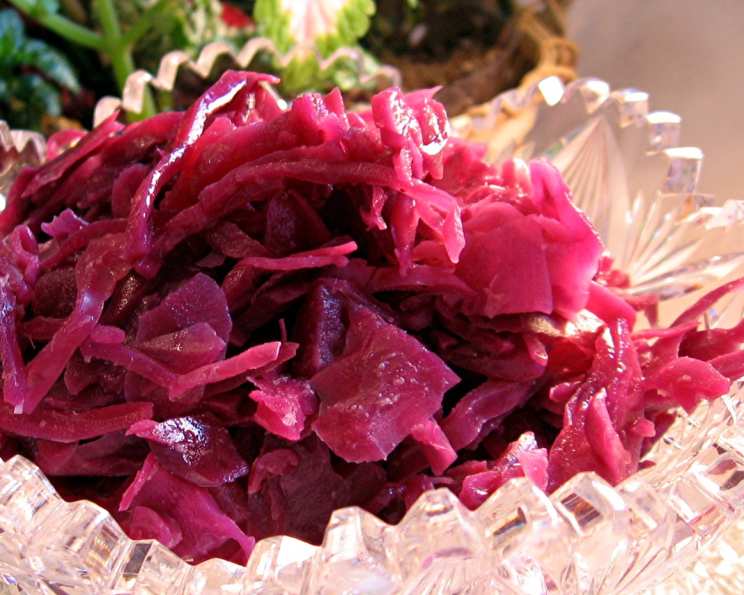
Rotkohl: A Culinary Journey into German Red Cabbage
There’s a comforting scent that instantly transports me back to my grandmother’s kitchen during the autumn harvest. It’s a fragrance rich with the earthiness of root vegetables, the subtle sweetness of apples, and the warming spice of cloves. For me, that scent is inextricably linked to a beautifully vibrant dish: German Red Cabbage, or Rotkohl. It wasn’t just a side dish; it was an event, a centerpiece of warmth and tradition served alongside roasted goose or hearty pork. The deep ruby hue always captivated my young eyes, a promise of the delightful sweet and sour symphony waiting to be savored. It’s a dish that embodies the heartiness and soul of German cuisine, a testament to how simple ingredients can be transformed into something truly magical.
Recipe Overview
- Prep Time: 15 minutes
- Cook Time: 30 minutes
- Total Time: 45 minutes
- Servings: 4
- Yield: 1 serving (as a side dish)
- Dietary Type: Vegan, Dairy-Free, Gluten-Free
Ingredients
This recipe focuses on the classic flavor profile of German Red Cabbage, a beautiful balance of sweet, sour, and savory.
- 2 tablespoons butter
- 1 apple, peeled and diced
- 1 small onion, chopped
- 4 cups shredded red cabbage
- 1/4 cup vinegar (apple cider vinegar is a lovely choice here)
- 2-4 tablespoons sugar (adjust to your sweetness preference), or 2-4 tablespoons apple jelly
- 1-2 whole cloves
- 1/2 cup red wine (optional, but adds a lovely depth)
- 1 tablespoon flour or 1/2 tablespoon cornstarch (for thickening)
Equipment Needed
- A large, heavy-bottomed pot or Dutch oven
- A knife and cutting board
- A wooden spoon or spatula
Instructions
Crafting this traditional German Red Cabbage is a straightforward affair, allowing the natural flavors of the ingredients to shine.
- Begin by melting the butter in your pot or Dutch oven over medium heat.
- Add the diced apple and chopped onion to the melted butter. Sauté them gently until they are softened, which should take about 5-7 minutes. This step lays a wonderful aromatic foundation for the dish.
- Next, add the shredded red cabbage to the pot. Stir it well to ensure it’s coated with the butter, apple, and onion mixture.
- Now, it’s time to introduce the signature tang and sweetness. Pour in the vinegar. If you’re using sugar, sprinkle it in now. If opting for apple jelly, add that as well.
- Tuck in the whole cloves.
- If you are using red wine, pour it into the pot. This is a fantastic addition that adds a layer of complexity and richness.
- Cover the pot and let the cabbage cook until it is tender. This typically takes about 12 minutes. The exact time can vary depending on how finely shredded your cabbage is.
- To thicken the sauce, prepare your thickener. In a small bowl, whisk together the flour (or cornstarch) with a tablespoon or two of cold water until you have a smooth slurry.
- Stir this slurry into the simmering cabbage. Continue to simmer the mixture, uncovered, stirring occasionally, until the sauce has thickened and is smooth.
Expert Tips & Tricks
- Shredding the Cabbage: For the best texture, shred the red cabbage finely. You can do this with a sharp knife, a mandoline slicer (use caution!), or even a food processor with a shredding attachment. Aim for uniform pieces so they cook evenly.
- Vinegar Choice: While any vinegar will work, apple cider vinegar is a classic for a reason, complementing the apple and the cabbage beautifully. A splash of red wine vinegar can also add a delightful sharpness.
- Sweetness Adjustment: The sweetness is crucial to balancing the acidity of the vinegar. Start with the lower end of the sugar/jelly amount and taste as it cooks. You can always add more at the end if needed.
- The Clove’s Role: Whole cloves infuse their flavor gently. If you’re not a fan of biting into a whole clove, you can place them in a cheesecloth sachet for easy removal.
- Thickening Smarts: When making your flour or cornstarch slurry, always use cold water. Adding hot water can cause lumps. Whisk until completely smooth before adding it to the hot cabbage.
Serving & Storage Suggestions
German Red Cabbage is a versatile side dish that pairs wonderfully with a variety of main courses.
Serving: This vibrant dish is a perfect accompaniment to roasted meats like pork, duck, or goose. It also shines alongside sausages, schnitzel, or even as a flavorful vegetarian main when served with hearty dumplings or mashed potatoes. The beautiful ruby color makes it a visually appealing addition to any plate.
Storage: Leftovers can be stored in an airtight container in the refrigerator for up to 3-4 days.
Reheating: To reheat, gently warm the red cabbage on the stovetop over low heat, stirring occasionally. You can add a splash of water or broth if it seems a little dry. Alternatively, you can reheat it in the microwave.
Nutritional Information
| Nutrient | Amount per Serving | % Daily Value |
|---|---|---|
| Calories | 162.4 kcal | |
| Calories from Fat | ||
| Total Fat | 6 g | 9% |
| Saturated Fat | 3.7 g | 18% |
| Cholesterol | 15.3 mg | 5% |
| Sodium | 72.3 mg | 3% |
| Total Carbohydrate | 21.6 g | 7% |
| Dietary Fiber | 2.9 g | 11% |
| Sugars | 14.6 g | 58% |
| Protein | 1.6 g | 3% |
Note: Nutritional information is an estimate and can vary based on specific ingredients and quantities used.
Variations & Substitutions
While this recipe is a classic for a reason, there are delightful ways to put your own spin on it.
- Fruity Flair: Beyond the diced apple, consider adding a handful of dried cranberries or raisins towards the end of the cooking time for bursts of extra sweetness and chewiness.
- Spiced Notes: A pinch of ground cinnamon or a tiny grating of fresh nutmeg can add another layer of warmth and complexity, especially in cooler months.
- Vinegar Variations: Experiment with different vinegars! Balsamic vinegar will add a richer, deeper flavor and a darker hue to the cabbage.
- Vegetarian/Vegan: The base recipe is already vegan if you use butter alternatives or a neutral oil like canola or sunflower oil.
- Onion Alternatives: Shallots can offer a slightly milder, more delicate onion flavor if preferred.
FAQs
Q: Can I make this red cabbage ahead of time?
A: Yes, German red cabbage often tastes even better the next day as the flavors meld. It reheats beautifully on the stovetop.
Q: How do I get the cabbage to be tender but not mushy?
A: Shredding the cabbage finely and cooking it covered for the specified time should yield a tender result. Avoid overcooking.
Q: What is the purpose of the cloves?
A: The whole cloves add a subtle, aromatic warmth and a touch of spice that is characteristic of traditional German red cabbage.
Q: Can I omit the red wine?
A: Absolutely. If you prefer not to use wine or have dietary restrictions, simply omit it. You can add an extra tablespoon or two of vinegar or a bit more broth for liquid.
Q: My cabbage isn’t as vibrant as I’d like. What can I do?
A: The vinegar is key to preserving the cabbage’s beautiful color. Ensure you add it early in the cooking process. Overcooking can also dull the color.
Final Thoughts
German Red Cabbage, or Rotkohl, is more than just a side dish; it’s a comforting embrace on a plate, a taste of tradition that warms the soul. It’s a testament to the magic that happens when simple, wholesome ingredients are treated with respect and a touch of culinary care. I encourage you to bring this vibrant dish into your kitchen, to savor its delightful sweet and sour notes, and to perhaps create your own cherished memories around its ruby-red glow. It’s a dish that truly sings when paired with robust flavors, so don’t hesitate to serve it alongside your favorite roasted meats or hearty vegetarian creations. Happy cooking, and Guten Appetit!