
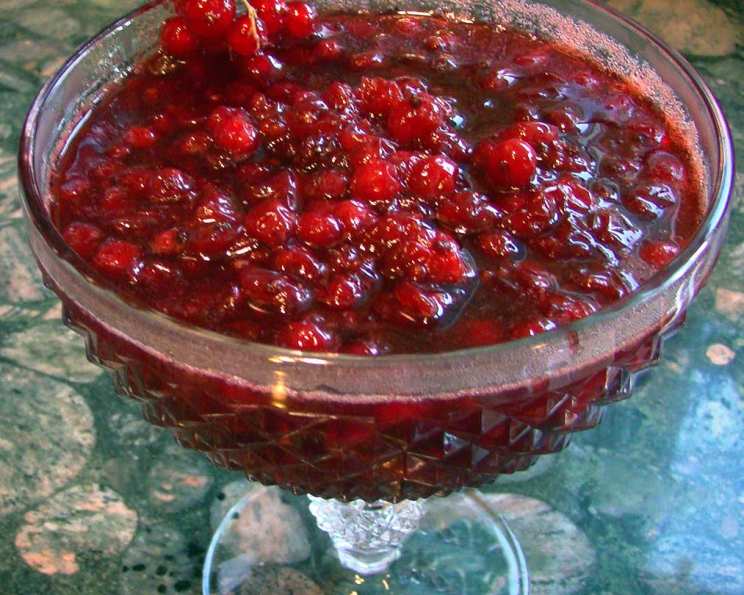
The Zesty Kiss of Summer: Crafting the Perfect Red Currant Sauce
There’s a certain magic that happens when the tart brilliance of red currants meets the comforting embrace of a slow simmer. I remember a particularly blustery autumn evening, the kind that called for something bright and vibrant to cut through the richness of a roasted chicken. I’d been experimenting with preserving the last of the season’s garden bounty, and a bowl of jewel-toned red currants sat waiting. What emerged from my stovetop that night was this sauce – a revelation of pure, unadulterated fruit flavor, with just a whisper of sweetness and a delightful tang that made the poultry sing. It wasn’t meant to be a syrupy confection, but rather a sharp, zesty counterpoint, a culinary exclamation mark that elevated the entire meal.
Recipe Overview
- Prep Time: 10 minutes
- Cook Time: 25-30 minutes
- Total Time: 35-40 minutes
- Servings: 8
- Yield: 1 ½ cups
- Dietary Type: Vegan, Dairy-Free, Gluten-Free
Ingredients
- 300g red currants (fresh or frozen)
- 150g brown sugar
- 3 tablespoons malt vinegar
Equipment Needed
- Medium saucepan
- Wooden spoon or heat-resistant spatula
- Small sieve or fine-mesh strainer (optional, for a smoother sauce)
Instructions
Embarking on the creation of this delightful red currant sauce is a wonderfully straightforward process, requiring minimal fuss and yielding maximum flavor. Whether you’ve managed to forage some wild currants or picked up a punnet from your local market, the steps remain simple, allowing the natural vibrancy of the fruit to shine.
- Begin by gathering your ingredients. If you are using fresh red currants, give them a gentle rinse under cool water and pick them from their stems. Frozen currants can be used directly from the freezer.
- Place the 300g of red currants, 150g of brown sugar, and 3 tablespoons of malt vinegar into a medium saucepan. There’s no need to pre-heat the pan; simply combine everything as is.
- Place the saucepan over medium heat. The initial phase of cooking will involve the sugars beginning to dissolve and the currants starting to soften and release their juices.
- Once the mixture begins to bubble gently, lower the heat to maintain a gentle simmer. This is crucial for developing the flavors without scorching the sauce. Continue to stir occasionally with a wooden spoon or heat-resistant spatula, ensuring nothing sticks to the bottom of the pan and that the sugar is fully incorporated.
- The cooking time will vary slightly depending on whether you are using fresh or frozen currants. If you started with frozen currants, as I often do for convenience, you’ll find the first 5 minutes or so are primarily dedicated to defrosting them and allowing them to break down. For frozen currants, I typically cook the sauce for 25 minutes. For fresh currants, which will release their juices more quickly, 20 minutes should be sufficient. The goal is for the currants to have broken down considerably and for the sauce to have thickened slightly, coating the back of your spoon. You’re looking for a consistency that is more fluid than jam, designed to complement rather than dominate.
Expert Tips & Tricks
To elevate this simple sauce from good to truly exceptional, consider these professional insights. The beauty of this recipe lies in its inherent simplicity, but a few nuanced touches can make all the difference.
- For a Silky Smoothness: While the recipe as written is intentionally a bit rustic, allowing some currant skins and seeds to remain, you can achieve a remarkably smooth sauce by passing it through a fine-mesh sieve after cooking. Use the back of your spoon to press the pulp through, leaving behind any unwanted solids. This technique is particularly effective if you’re serving the sauce with delicate dishes like pan-seared scallops or a refined poultry terrine.
- The Balance of Tartness: The recipe intentionally uses a moderate amount of sugar to preserve the natural tartness of the red currants. If you find your currants are exceptionally tart, or if your preference leans towards a sweeter sauce, you can cautiously add an additional tablespoon or two of brown sugar, tasting as you go. However, remember the goal is a bright counterpoint, not an overly sweet glaze.
- Vinegar Variations: While malt vinegar provides a lovely depth of flavor, don’t hesitate to experiment. A good quality red wine vinegar can add a slightly different acidic note, or for a touch of elegance, a splash of balsamic vinegar in the last few minutes of simmering can introduce complex sweet and savory undertones. Always taste and adjust.
Serving & Storage Suggestions
This vibrant red currant sauce is a culinary chameleon, perfectly suited to a wide array of dishes. Its bright, tangy profile makes it an ideal accompaniment to roasted meats, particularly game birds like duck or pheasant, and pork. It also cuts beautifully through the richness of fattier meats, making it a fantastic partner for goose or even a hearty lamb roast. For a lighter touch, consider pairing it with chicken or turkey. It’s also a surprisingly delightful addition to cheese boards, offering a sharp contrast to creamy bries or sharp cheddars. For those who enjoy a sweet and savory interplay, a drizzle over pan-fried halloumi or even grilled salmon can be revelatory.
When it comes to storage, this sauce is quite forgiving. Once cooled completely, transfer it to an airtight container. It will keep beautifully in the refrigerator for up to 2 weeks. The flavors tend to meld and deepen over time, making it even more delicious after a day or two. If you wish to preserve it for longer, it can also be frozen for up to 3 months. To reheat, simply warm it gently on the stovetop over low heat, stirring occasionally. You may need to add a tiny splash of water if it has thickened too much during storage.
Nutritional Information
| Nutrient | Amount per Serving | % Daily Value |
|---|---|---|
| Calories | 92.9 kcal | |
| Total Fat | 0.1 g | 0% |
| Saturated Fat | 0 g | 0% |
| Cholesterol | 0 mg | 0% |
| Sodium | 8 mg | 0% |
| Total Carbohydrate | 23.5 g | 7% |
| Dietary Fiber | 1.6 g | 6% |
| Sugars | 20.8 g | 83% |
| Protein | 0.5 g | 1% |
Note: Nutritional values are estimates and can vary based on specific ingredients and portion sizes.
Variations & Substitutions
The beauty of a well-crafted sauce is its adaptability. While this red currant sauce is designed to highlight the unique characteristics of its namesake, there are numerous ways to tailor it to your pantry and palate.
- Sweetness Adjustment: As mentioned, the sugar content can be adjusted. If brown sugar isn’t your preference, you can substitute it with granulated sugar or even a natural sweetener like maple syrup (though this will alter the flavor profile and color slightly). Start with a smaller amount and add more to taste.
- Vinegar Alternatives: If malt vinegar is unavailable or not to your liking, consider using red wine vinegar for a classic pairing, or apple cider vinegar for a fruitier tang. A tablespoon of lemon juice added at the end of cooking can also provide a bright citrus lift if you’re out of vinegar.
- Spice and Herb Infusions: For a more complex flavor profile, consider infusing the sauce with aromatics during the simmering process. A sprig of fresh rosemary or thyme tied with kitchen twine, or a few crushed black peppercorns, can add subtle but sophisticated notes. Remove these before serving. A tiny pinch of cayenne pepper can also introduce a whisper of heat that beautifully complements the tartness.
- Thickening: While this sauce is intentionally on the thinner side, if you prefer a more viscous consistency for drizzling over desserts or coating meats, you can thicken it. Create a slurry by mixing 1 teaspoon of cornstarch with 2 teaspoons of cold water. Stir this into the simmering sauce during the last few minutes of cooking until it reaches your desired thickness.
FAQs (Frequently Asked Questions)
Q: Can I make this red currant sauce ahead of time?
A: Absolutely! This sauce is ideal for making in advance, as the flavors tend to meld and deepen beautifully. Store it in an airtight container in the refrigerator for up to 2 weeks.
Q: My red currants are very tart. How can I adjust the sweetness?
A: You can add more brown sugar, a tablespoon at a time, tasting as you go until you reach your desired level of sweetness. However, remember that some tartness is desirable to balance richer dishes.
Q: Can I use other types of currants?
A: This recipe is specifically for red currants due to their bright tartness. Black currants are much sweeter and have a more intense, earthy flavor, which would result in a different sauce entirely.
Q: What if I don’t have malt vinegar?
A: Red wine vinegar or apple cider vinegar are excellent substitutes for malt vinegar and will still produce a delicious sauce.
Q: How long does the sauce need to simmer?
A: For frozen currants, about 25 minutes. For fresh currants, around 20 minutes. The key is to simmer gently until the currants have broken down and the sauce has thickened slightly.
Final Thoughts
This red currant sauce is more than just a condiment; it’s a celebration of summer’s fleeting brilliance, captured in a jar. Its vibrant color and exhilarating tang are a testament to the power of simple, high-quality ingredients allowed to express themselves fully. I encourage you to not only try this recipe but to embrace its versatility. Pair it with a succulent roast, a sharp cheese, or even a crisp green salad for an unexpected burst of flavor. Share your creations, experiment with the variations, and let this zesty sauce become a beloved staple in your culinary repertoire. I’d love to hear how you’ve enjoyed its bright embrace.