
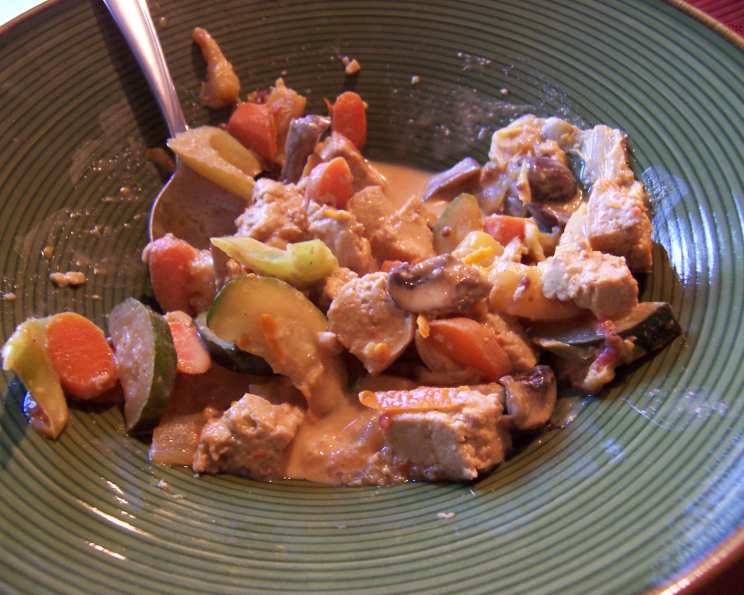
The Soul of Southeast Asian Cuisine: Crafting Authentic Red Curry Paste
The intoxicating aroma of simmering curry is a sensory siren call, instantly transporting me back to bustling Thai markets and tranquil village kitchens. While I’ve savored countless bowls of curry made from store-bought pastes, there’s a profound satisfaction in knowing that the vibrant, complex flavors are entirely of my own making. It’s a culinary superpower, really, because when those compliments roll in, I know I earned them. The beauty of homemade red curry paste is its remarkable versatility and longevity; it’s a treasure that keeps for a couple of weeks in the refrigerator and can be a delightful gift, especially when paired with a carton of coconut milk, a few fresh kaffir lime leaves (a plant I cherish and nurture myself), and a handful of usage ideas. For those who can’t use it all at once, a simple wrap in foil and a trip to the freezer ensures its freshness for later adventures. This particular recipe is a cherished adaptation from Madhur Jaffrey’s legendary Curry Bible, a tome brimming with culinary wisdom. While you might find coriander with roots in well-stocked Asian markets, don’t fret if they’re elusive; Jaffrey herself notes that a small handful of the leaves can be used as a substitute, though the paste may then lean slightly less towards that alluring ruby hue. This generous batch is enough to transform two magnificent dishes, whether you’re dreaming of tender pork, succulent beef, chicken, plump prawns, delicate squid, flaky fish, sweet crab, luxurious lobster meat, or even perfectly hard-boiled eggs.
Recipe Overview
- Prep Time: 1 hour 10 minutes (includes soaking time)
- Cook Time: 0 minutes (no cooking required for the paste itself)
- Total Time: 1 hour 10 minutes
- Servings: 8
- Yield: 10 tablespoons
- Dietary Type: Dairy-Free, Gluten-Free (if using tamari instead of soy sauce for shrimp paste alternative)
Ingredients
- 10-12 hot dried red chilies (preferably long cayenne variety)
- 5 garlic cloves, peeled and chopped
- 1 tablespoon fresh lemongrass, thinly sliced crosswise
- 3 slices galangal (thin slices, fresh or frozen) OR 3 slices ginger (thin slices, fresh or frozen)
- 1 slice fresh kaffir lime rind (optional, but adds a wonderful fragrance)
- 6-8 coriander roots, washed thoroughly and coarsely chopped (if unavailable, use a small handful of fresh coriander leaves)
- ¼ teaspoon freshly ground white pepper
- ¼ teaspoon shrimp paste, chopped OR ¼ teaspoon anchovy, from a can, chopped
- ½ teaspoon ground cumin
- ½ teaspoon ground coriander
- 2 tablespoons bright red paprika
- 5 tablespoons hot water (for soaking chilies)
Equipment Needed
- Blender or food processor
- Rubber spatula
- Small bowl (for soaking chilies)
- Airtight containers or jars (for storage)
Instructions
-
Soak the Chilies: Begin by placing the dried red chilies in a small bowl. Pour the 5 tablespoons of hot water over them, ensuring they are fully submerged. Let them soak for 1 to 2 hours. This crucial step rehydrates the chilies, making them pliable and easier to blend into a smooth paste. Alternatively, for a quicker method, you can microwave the chilies with the water for 2-3 minutes, then allow them to sit for 20-30 minutes to soften.
-
Assemble and Blend: Once the chilies have softened, drain any excess water, but reserve the soaking liquid. Transfer the soaked chilies into your blender or food processor. Add all the remaining ingredients to the blender in the exact order they are listed: the chopped garlic cloves, thinly sliced fresh lemongrass, slices of galangal or ginger, kaffir lime rind (if using), coarsely chopped coriander roots (or leaves), freshly ground white pepper, chopped shrimp paste or anchovy, ground cumin, ground coriander, and finally, the bright red paprika.
-
Achieve a Smooth Paste: Now, it’s time to blend. Start by pulsing the ingredients. You will likely need to stop the blender multiple times and use a rubber spatula to push down the ingredients from the sides of the blender jar. Continue blending, scraping down as needed, until you achieve a uniformly smooth paste. This may take a few minutes, depending on the power of your blender. The consistency should be thick and rich, with no discernible chunks.
-
Store Your Paste: The red curry paste is now ready to be used or stored. What you do not use immediately should be transferred into an airtight container or jar and refrigerated or frozen for later use.
Expert Tips & Tricks
The key to a vibrant red curry paste lies in the quality of your dried chilies. Opt for chilies that are still somewhat flexible and brightly colored, rather than brittle and faded. If you can’t find long cayenne chilies, a mix of other dried red chilies can work, but be mindful of their heat level and adjust accordingly. The galangal is essential for its distinct peppery, citrusy notes, offering a more complex flavor than ginger alone. However, if galangal is truly unavailable, good quality ginger will suffice. Don’t shy away from the shrimp paste or anchovy; they provide an umami depth that is fundamental to authentic Southeast Asian flavors. A little goes a long way, so the small amount here is intentional.
Serving & Storage Suggestions
This magnificent homemade red curry paste is your ticket to a world of flavor. Use it as the base for your favorite Thai curries, stir-fries, marinades, or even to add a punch of flavor to soups and noodle dishes. For a classic curry, sauté the paste in a little oil until fragrant, then add coconut milk, your protein of choice, and vegetables. Store any unused paste in an airtight container in the refrigerator for up to two weeks. For longer storage, portion the paste into ice cube trays and freeze. Once frozen, transfer the cubes to a freezer-safe bag or container. Frozen paste will retain its quality for up to 3-6 months. To use frozen paste, thaw overnight in the refrigerator or gently heat a cube directly in your pan.
Nutritional Information
| Nutrient | Amount per Serving (approx. 1.25 tbsp) | % Daily Value |
|---|---|---|
| Calories | 31.6 kcal | |
| Calories from Fat | ||
| Total Fat | 0.5 g | 0% |
| Saturated Fat | 0.1 g | 0% |
| Cholesterol | 0 mg | 0% |
| Sodium | 6.8 mg | 0% |
| Total Carbohydrate | 6.8 g | 2% |
| Dietary Fiber | 1.5 g | 6% |
| Sugars | 3.2 g | 12% |
| Protein | 1.5 g | 2% |
Note: Nutritional values are estimates and can vary based on specific ingredients used.
Variations & Substitutions
For a vegetarian or vegan version, omit the shrimp paste and anchovy entirely. You might find that a touch more salt or a pinch of MSG (if you use it) can help compensate for the lost umami, though the other aromatics often provide sufficient depth. If you find the dried chilies too mild, you can always add a fresh bird’s eye chili or two during the blending process for an extra kick.
FAQs
Q: How do I know if my dried chilies are good quality for making paste?
A: Good quality dried chilies will be pliable and have a vibrant red color. Avoid any that are brittle, faded, or dusty, as they will yield a less flavorful and less vibrant paste.
Q: Can I use dried coriander leaves instead of roots?
A: Yes, you can. If coriander roots are unavailable, a small handful of fresh coriander leaves can be used. However, the roots contribute a more intense, earthy flavor and are key to achieving the paste’s signature deep red color.
Q: What is galangal and where can I find it?
A: Galangal is a rhizome related to ginger, but with a sharper, more peppery, and citrusy flavor. It is a staple in Southeast Asian cuisine and can be found fresh, frozen, or dried in most Asian markets.
Q: My paste isn’t as red as I expected. What could be the reason?
A: The depth of red color in curry paste is largely influenced by the type and quantity of dried chilies used, and crucially, the presence of coriander roots. If you used leaves instead of roots, or if your chilies were not as intensely colored, the paste may be a lighter shade.
Q: How long will this homemade red curry paste last?
A: When stored properly in an airtight container in the refrigerator, the paste will last for about two weeks. For longer storage, freezing is recommended, where it can last for 3-6 months.
A Culinary Cornerstone
Crafting your own red curry paste is more than just following a recipe; it’s an act of culinary empowerment. It’s about unlocking a depth of flavor that bottled versions simply cannot replicate. This paste is not just an ingredient; it’s the soul of countless delicious dishes, a vibrant foundation waiting to be built upon. So, gather your ingredients, embrace the process, and prepare to be rewarded with aromas and tastes that will transport you straight to the heart of Southeast Asia. I encourage you to try it, experiment with it, and share the delicious results with those you love. Perhaps serve your next red curry with a fragrant jasmine rice and a refreshing glass of iced Thai tea – a perfect pairing for your labor of love.