
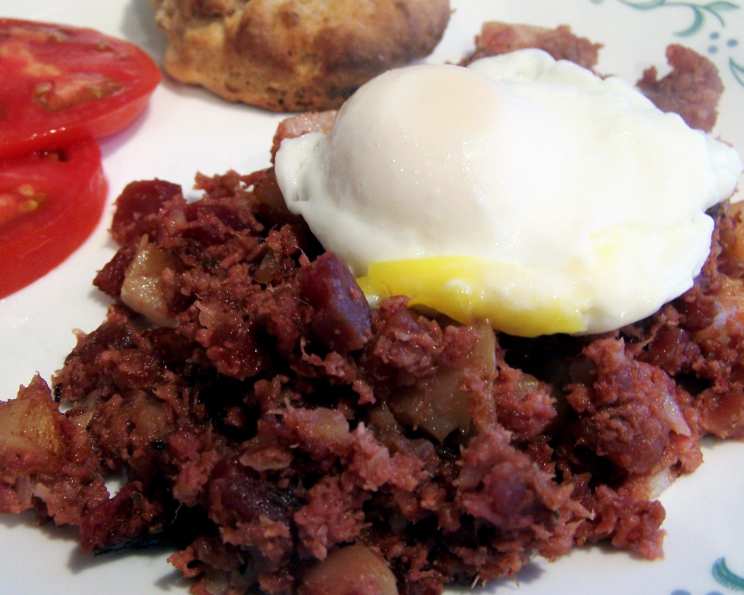
Red Flannel Hash: A Taste of New England Nostalgia
There’s something profoundly comforting about a dish that evokes memories of cozy kitchens and shared meals. For me, Red Flannel Hash is precisely that. It’s a recipe steeped in tradition, a culinary echo of New England’s resourcefulness. I remember my grandmother, her hands dusted with flour, skillfully transforming the remnants of a hearty Sunday boiled dinner into this vibrant, satisfying hash. The ruby-red of the beets, the earthy potatoes, the savory corned beef – it all came together in a symphony of flavors and textures that felt like a warm hug on a plate. It’s a dish that doesn’t demand fancy ingredients or elaborate techniques, but rather celebrates the beauty of simple, honest cooking.
Recipe Overview
- Prep Time: Cannot be determined (relies on pre-cooked ingredients)
- Cook Time: 30 minutes
- Total Time: 30 minutes (excluding pre-cooking of ingredients)
- Servings: 4-6
- Yield: Sufficient for 4-6 servings
- Dietary Type: Not specified
Ingredients
- 1 cup cooked corned beef, shredded or chopped
- 2 cups boiled potatoes, diced
- 1 cup cooked beet, diced
- ½ cup cooked diced onion
- ¼ cup lard or ¼ cup bacon fat
- Beef broth or broth from boiled dinner, as needed
Equipment Needed
- Large skillet
- Spatula or large spoon
- Measuring cups and spoons
Instructions
The magic of Red Flannel Hash lies in its humble origins: it’s a brilliant way to repurpose the delicious components of a New England boiled dinner. This recipe assumes you have your corned beef, potatoes, beets, and onion already cooked. The process is about bringing these elements together to create something new and equally, if not more, delightful.
-
Combine the Hearty Core: In a medium bowl, gently combine the shredded or chopped cooked corned beef, the diced boiled potatoes, the diced cooked beet, and the cooked diced onion. Be careful not to mash the ingredients; you want them to retain their individual textures.
-
Prepare the Skillet: Place your large skillet over low heat. Add the lard or bacon fat. You want enough to generously coat the bottom of the pan. Allow the fat to melt and heat up slowly. The goal is to create a well-lubricated surface that will help develop a lovely crust.
-
Introduce the Hash: Carefully spoon the corned beef and vegetable mixture into the heated skillet. Spread it out evenly to cover the entire bottom of the pan. This even distribution is key to achieving that desirable crust.
-
Add a Touch of Moisture: Pour in a small amount of beef broth or broth from your boiled dinner. This addition serves a crucial purpose: it prevents the hash from sticking to the pan and helps to steam and meld the flavors as it cooks.
-
The Gentle Cook: Now, the patient part. Allow the hash to cook over low heat for approximately 30 minutes. The traditional method, and one that yields a fantastic result, is to cook it without stirring. This allows a beautiful crust to form on the bottom. The starches from the vegetables, combined with the fat, will create a delightful, slightly crisped layer that adheres to the pan.
- A Note on Tradition vs. Preference: While the untouched, crust-forming method is classic, some culinary traditions embrace occasional stirring. If you prefer a more jumbled texture, feel free to stir the hash occasionally to keep it “jumbled up” as it cooks. However, for that quintessential Red Flannel Hash experience, resist the urge to stir too much.
-
Checking for Doneness: The hash is ready when the bottom has formed a desirable crust and the ingredients are heated through. You can gently lift an edge with your spatula to check the browning.
-
Serve with Flair: Serve the Red Flannel Hash hot, directly from the skillet if you wish, for a rustic presentation.
Expert Tips & Tricks
Red Flannel Hash is wonderfully straightforward, but a few professional insights can elevate it from good to exceptional.
- The Importance of Pre-Cooked Components: The success of this dish hinges on using well-cooked, cooled leftovers. Cold ingredients hold their shape better when diced and fried, preventing a mushy hash. If you’re making a boiled dinner specifically for this hash, cook your vegetables until tender but not falling apart.
- Fat is Flavor (and Texture): Don’t shy away from the fat! Lard or bacon fat provides an unparalleled depth of flavor and helps create that essential crispy crust. If bacon fat is used, the residual smoky notes are a welcome addition.
- Low and Slow is the Way to Go: Patience is your best friend here. Cooking over low heat allows the flavors to meld and the bottom to develop a beautiful, caramelized crust without burning. High heat will scorve the outside before the inside is properly heated.
- The Broth’s Role: The small amount of broth is not meant to make the hash soupy, but rather to create a little steam and prevent sticking, acting as a binder and flavor enhancer. Use just enough to moisten the bottom layer.
- Serving the Optional Egg: While optional, topping each serving with a perfectly poached egg is a classic touch. The runny yolk acts as a rich, creamy sauce, bringing everything together beautifully. A sunny-side-up egg with a firm white and a liquid yolk also works wonderfully.
Serving & Storage Suggestions
Red Flannel Hash is a robust dish that shines on its own, but it pairs exceptionally well with a variety of accompaniments.
-
Serving: Classically, this hash is served for breakfast or lunch. A dollop of sour cream or a spoonful of apple cider vinegar can offer a pleasant counterpoint to the richness. As mentioned, a poached or fried egg is a traditional and highly recommended topping. Some enjoy a drizzle of catsup, though this is purely a matter of personal preference. It can also be served as a hearty side dish.
-
Storage: Leftover Red Flannel Hash can be stored in an airtight container in the refrigerator for up to 2–3 days.
-
Reheating: To reheat, the best method is to gently warm it in a skillet over low to medium heat, perhaps with a tiny bit more fat, to help restore some of its crispness. Avoid microwaving if possible, as it tends to make the hash softer and less appealing texturally. You can also spread it thinly on a baking sheet and reheat in a moderate oven (around 350°F / 175°C) for about 10-15 minutes, until heated through and slightly crisped.
Nutritional Information
Please note that these values are estimates and can vary based on the exact ingredients and quantities used, especially the type and amount of fat.
| Nutrient | Amount per Serving (approx.) | % Daily Value (approx.) |
|---|---|---|
| Calories | 200.4 kcal | – |
| Calories from Fat | – | 116 g |
| Total Fat | 13 g | 19% |
| Saturated Fat | 5.1 g | 25% |
| Cholesterol | 12.2 mg | 4% |
| Sodium | 37.8 mg | 1% |
| Total Carbohydrate | 19.4 g | 6% |
| Dietary Fiber | 2.8 g | 11% |
| Sugars | 4.8 g | 19% |
| Protein | 2.4 g | 4% |
Variations & Substitutions
While the classic Red Flannel Hash is hard to beat, there’s always room for culinary creativity.
- Vegetable Variations: Feel free to incorporate other cooked vegetables from your boiled dinner, such as carrots or turnips, diced to a similar size. Ensure they are cooked until tender.
- Meat Substitutions: If corned beef isn’t your preference or isn’t available, leftover roast beef or even cooked ham, finely chopped or shredded, can be used in a pinch.
- Fat Choices: If you’re not a fan of lard or bacon fat, vegetable oil or duck fat can be used, though they will impart a different flavor profile. The key is to have enough fat to facilitate the crust formation.
- A “Quick and Dirty” Approximation: For those times when you crave the flavor but lack leftovers, a quick version can be made by combining canned corned beef hash with canned diced beets, chopped, and frying them together in a skillet with a bit of added fat. This is a shortcut, and while tasty, it won’t quite capture the depth of flavor and texture of the traditional preparation.
FAQs
Q: What is the “red flannel” in Red Flannel Hash?
A: The “red flannel” refers to the distinctive bright red color imparted by the inclusion of cooked beets in the hash mixture.
Q: Is it necessary to use leftovers for this recipe?
A: Traditionally, Red Flannel Hash is made with leftovers from a New England boiled dinner, making it a resourceful and economical dish. However, you can cook the components specifically for the hash if needed.
Q: Can I make this hash ahead of time?
A: You can prepare the diced ingredients and store them separately in the refrigerator. The hash itself is best cooked just before serving to achieve the optimal texture.
Q: Why is it cooked without stirring traditionally?
A: Cooking without stirring allows a crust to form on the bottom of the hash, creating a delightful textural contrast and a slightly caramelized flavor from the mingling starches and fat.
Q: What is a New England boiled dinner?
A: A New England boiled dinner is a traditional one-pot meal typically featuring corned beef or a similar cut of beef, along with root vegetables like potatoes, carrots, turnips, and cabbage, all boiled together.
Final Thoughts
Red Flannel Hash is more than just a recipe; it’s a culinary testament to ingenuity and the enduring appeal of simple, well-prepared food. It’s a dish that whispers stories of generations past and offers a comforting embrace to anyone lucky enough to partake. Whether you’re a seasoned cook or just starting your culinary journey, I encourage you to try this authentic taste of New England. Its vibrant colors and hearty flavors are sure to bring a smile to your table, perhaps even sparking a few delicious memories of your own. Gather your ingredients, embrace the tradition, and savor every bite.