
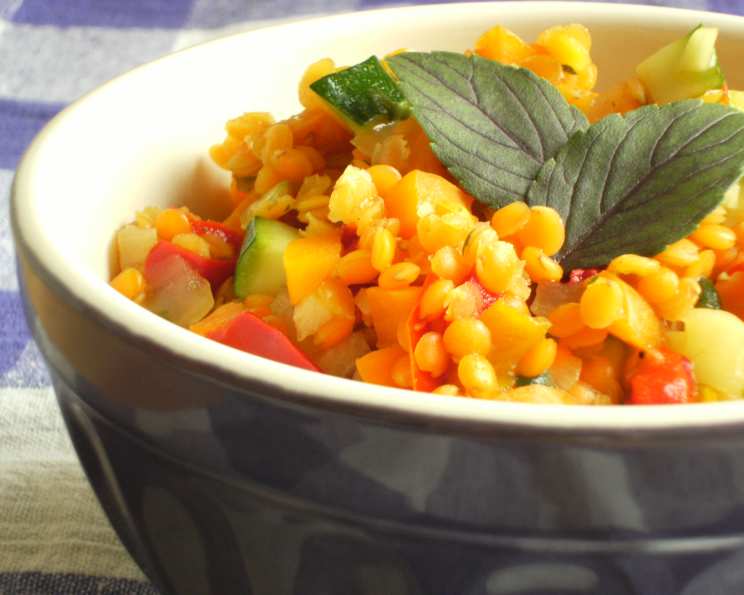
Red Lentil Pilaf: A Symphony of Comfort and Simplicity
There are dishes that transport you, that unlock a floodgate of memories with the first savory bite. For me, this Red Lentil Pilaf is one of those rare culinary treasures. I remember it vividly from a potluck years ago, a humble yet utterly captivating side dish that stole the show. Amidst more elaborate fare, its warm, earthy aroma and perfectly textured lentils stood out, a testament to the power of simple ingredients treated with respect. It was comforting, familiar, and so delightfully wholesome, a dish that whispered tales of shared meals and genuine connection. The subtle warmth of the cayenne and the burst of freshness from the parsley were the final, masterful touches that made it unforgettable.
Recipe Overview
- Prep Time: 15 minutes
- Cook Time: 20 minutes
- Total Time: 35 minutes
- Servings: 4
- Yield: Approximately 4 cups
- Dietary Type: Vegan, Gluten-Free, Dairy-Free
Ingredients
- 2 tablespoons green onions, trimmed and chopped
- 1/3 cup green bell pepper, seeded and diced
- 1/3 cup carrot, peeled and diced
- 1/2 cup zucchini, peeled and diced
- 1/2 cup dried red lentils
- 1 cup fat-free, low-sodium chicken broth (or vegetable broth for a fully vegan dish)
- 1 clove garlic, smashed
- 1 dash cayenne pepper (or to taste)
- 2 tablespoons fresh parsley, chopped
Equipment Needed
- A heavy-bottomed frying pan or pot with a lid
- Measuring cups and spoons
- A cutting board and knife for prepping vegetables
Instructions
- Begin by preparing your vegetables. You’ll need to trim and chop the green onions, seed and dice the green bell pepper, peel and dice the carrot, and peel and dice the zucchini. Precision in your dicing here will ensure even cooking. Aim for small, uniform pieces.
- In a heavy frying pan or pot, combine the chopped green onions, diced green bell pepper, diced carrot, and diced zucchini.
- Place the pan over low heat. Cook the vegetables, stirring constantly, for approximately 5 minutes. The goal here is to wilt the green onions and soften the other vegetables slightly, releasing their natural aromas without browning them.
- Next, add the dried red lentils to the pan. Pour in the chicken broth (or your chosen vegetable broth) and add the smashed garlic clove.
- Stir everything together to ensure the lentils are submerged in the liquid and that no ingredients are sticking to the bottom of the pan.
- Increase the heat to medium and bring the mixture to a boil.
- Once boiling, immediately lower the heat to the lowest setting, cover the pan tightly with a lid, and simmer for 10 minutes. This controlled simmering allows the lentils to cook through and absorb the flavorful broth.
- After 10 minutes, remove the lid. Stir in the cayenne pepper and the chopped fresh parsley.
- Stir gently to combine these final additions.
- Crucially, take care not to overcook the lentils. They should retain a slight al dente texture, a pleasant “crunch,” rather than becoming mushy. This is key to the pilaf’s delightful character.
Expert Tips & Tricks
For a pilaf that truly sings, consider these professional insights. When dicing your vegetables, a brunoise cut (very small, uniform cubes) will not only look elegant but also ensure they cook evenly and quickly alongside the lentils. Don’t be tempted to skip the initial sautéing of the vegetables; this step builds a foundational layer of flavor by drawing out their sweetness and aroma. If you find your lentils are cooking too quickly or the liquid is evaporating too fast, don’t hesitate to add a tablespoon or two of extra broth or water. Conversely, if they seem too wet after simmering, you can uncover the pan and cook for an extra minute or two on low heat to allow some of the excess moisture to evaporate, but be vigilant to avoid overcooking. The smashed garlic clove, rather than minced, will infuse the pilaf with a gentler, more diffused garlic flavor.
Serving & Storage Suggestions
This Red Lentil Pilaf is incredibly versatile, making it a star as a side dish to almost any main course. Its vibrant color and hearty texture make it an excellent accompaniment to grilled meats, fish, or roasted vegetables. For a more substantial vegetarian or vegan meal, consider serving it alongside a dollop of plain yogurt (dairy or non-dairy) or a scattering of toasted nuts. To serve, spoon the pilaf into a pleasing mound in your serving dish, perhaps garnished with a few extra sprigs of fresh parsley or a sprinkle of red pepper flakes for those who enjoy a bit more heat.
Leftovers can be stored in an airtight container in the refrigerator for up to 3 days. The flavors tend to meld and deepen overnight, making it even more delicious the next day. When reheating, it’s best to do so gently on the stovetop over low heat, adding a splash of water or broth if the pilaf appears dry. Microwaving is also an option, but stir halfway through to ensure even heating and to prevent the lentils from becoming tough.
Nutritional Information
| Nutrient | Amount per Serving | % Daily Value |
|---|---|---|
| Calories | 105 kcal | |
| Calories from Fat | 3.6 kcal | |
| Total Fat | 0.4 g | 1% |
| Saturated Fat | 0.1 g | 1% |
| Cholesterol | 0 mg | 0% |
| Sodium | 30 mg | 1% |
| Total Carbohydrate | 17.6 g | 6% |
| Dietary Fiber | 3.4 g | 13% |
| Sugars | 1.4 g | 2% |
| Protein | 7.7 g | 15% |
Note: Nutritional values are estimates and can vary based on specific ingredients and preparation methods.
Variations & Substitutions
While this recipe is wonderfully balanced as is, feel free to explore its potential for variation. For a brighter, more aromatic pilaf, consider adding a pinch of cumin or a tiny grating of fresh ginger along with the garlic. If you don’t have green bell pepper, a finely diced red bell pepper can offer a slightly sweeter note. For added richness and a nutty undertone, a tablespoon of toasted pine nuts or slivered almonds stirred in at the end is a delightful addition. If you’re looking for a different green element, chopped spinach or kale can be wilted into the pilaf during the last minute of simmering. For a spicier kick, increase the cayenne pepper or add a finely minced jalapeño along with the other vegetables.
FAQs
Q: Can I use brown or green lentils instead of red lentils?
A: While you can, red lentils are preferred for this recipe because they cook quickly and break down slightly, creating a cohesive pilaf. Brown or green lentils hold their shape more, resulting in a different texture.
Q: My lentils are still firm after 10 minutes. What should I do?
A: If your lentils are not yet tender after 10 minutes, continue to simmer, covered, for an additional 2-5 minutes, checking for doneness. You may need to add a tablespoon or two of extra liquid if the pan looks dry.
Q: Can I make this pilaf ahead of time?
A: Yes, this pilaf can be made a day in advance and reheated. The flavors often improve as they meld.
Q: What kind of broth is best to use?
A: A low-sodium chicken broth is specified for its savory depth, but a good quality vegetable broth works wonderfully for a vegetarian or vegan option. Ensure it’s low-sodium to control the overall saltiness.
Q: How can I ensure the lentils have a “crunch”?
A: The “crunch” refers to an al dente texture. Avoid overcooking. Check the lentils for tenderness after 8 minutes of simmering and stop cooking as soon as they are tender but still have a slight bite.
Final Thoughts
This Red Lentil Pilaf is a testament to the fact that the most rewarding culinary experiences often stem from the simplest ingredients. It’s a dish that nourishes the body and soul, offering a comforting warmth that’s perfect for any occasion. Whether you’re seeking a quick and wholesome weeknight side or an impressive addition to a celebratory meal, this pilaf is sure to become a favorite. I encourage you to give it a try, experiment with its subtle variations, and savor the quiet satisfaction it brings to your table. Serve it alongside your favorite roasted chicken, a vibrant green salad, or simply enjoy it on its own – it’s a dish that truly stands tall.