
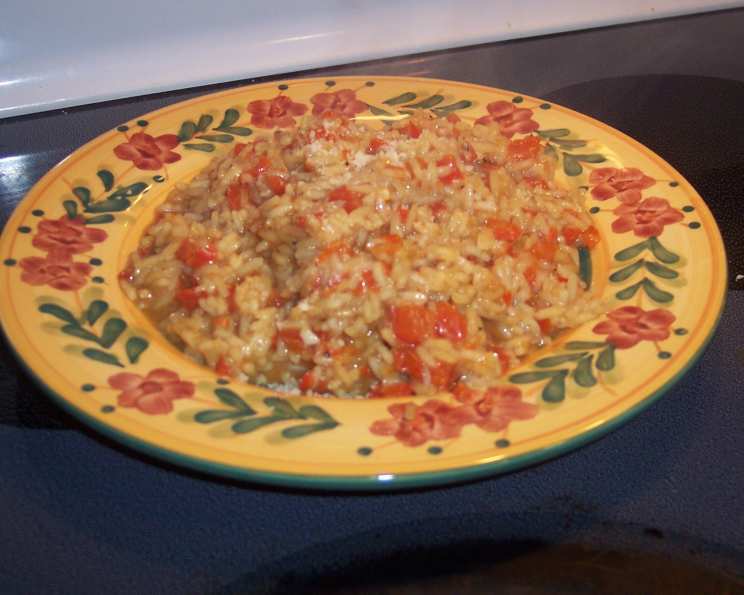
The Luminous Embrace of Red Pepper Risotto
There are certain dishes that, with a single bite, transport you. For me, red pepper risotto is one such culinary voyage. I remember the first time I encountered this dish, not in a bustling trattoria or a Michelin-starred kitchen, but on a humble healthy eating segment on The New York Times website. It was a vibrant beacon of flavor, a promise of creamy comfort and a sweet, sun-kissed tang that I couldn’t resist. The visual alone, the rich crimson hue, spoke of warmth and depth, a stark contrast to the often pale, unadorned risottos I’d grown accustomed to. It was a revelation, a reminder that even the simplest ingredients, treated with care and intention, can create something truly magical.
Recipe Overview
- Prep Time: 15 minutes
- Cook Time: 30 minutes
- Total Time: 45 minutes
- Servings: 6-8
- Yield: N/A (Risotto is typically served as a main or side dish, not in a defined ‘pie’ format)
- Dietary Type: Can be adapted (Original is not specified, but adaptable to vegetarian/vegan)
The Heart of the Dish: Ingredients
The beauty of a great risotto lies in its simplicity and the quality of its components. For this luminous red pepper rendition, we’ll gather a few key players that work in perfect harmony.
- Chicken Stock: 6 to 7 cups. A good quality chicken stock forms the liquid soul of our risotto. If you’re aiming for a vegetarian or vegan version, a robust vegetable stock will work beautifully.
- Olive Oil: 2 tablespoons. The foundation for our aromatic sauté.
- Onion: ½ cup, finely minced. The sweet, subtle base that melts into the rice.
- Garlic Cloves: 2, minced. For that essential pungent depth.
- Red Peppers: 2, finely minced. These are the stars, bringing sweetness and a gorgeous color.
- Salt: To taste. Essential for seasoning at each stage.
- Pepper: To taste. A final flourish to awaken the palate.
- Arborio Rice: 1 ½ cups. The quintessential risotto rice, its high starch content is key to achieving that signature creamy texture.
- White Wine: ½ cup. A dry white wine, like Pinot Grigio or Sauvignon Blanc, adds a lovely layer of acidity and complexity.
- Saffron: A generous pinch. This precious spice infuses the risotto with its distinctive golden hue and subtle, earthy aroma.
- Fresh Parsley: 2 tablespoons, chopped. For a final burst of freshness and color.
- Parmesan Cheese: ½ cup, grated. The classic finishing touch, adding a salty, umami richness.
Essential Tools for Culinary Success
While risotto doesn’t demand a highly specialized arsenal, a few key tools will ensure a smooth and successful cooking experience.
- Heavy-Bottomed Saucepan or Dutch Oven: Crucial for even heat distribution and maintaining a steady simmer.
- Ladle: For adding the stock gradually.
- Wooden Spoon or Heatproof Spatula: For stirring.
- Small Saucepan: To keep the stock warm.
- Cutting Board and Sharp Knife: For mincing your aromatics.
Crafting the Crimson Dream: The Method
Embarking on the journey of making risotto is a meditative process, a dance of heat, liquid, and constant, gentle stirring. It requires patience, but the reward is a dish that sings with flavor and texture.
- Prepare the Foundation: Begin by bringing your chicken stock (6 to 7 cups) to a simmer in a small saucepan. Once simmering, reduce the heat to low and let it rest there, ready to be called upon. This step is crucial; adding cold stock to hot rice will shock the grains and hinder the creamy development.
- Build the Aromatic Base: In your heavy-bottomed saucepan or Dutch oven, heat the olive oil (2 tablespoons) over medium heat. Add the finely minced onion (½ cup) and cook, stirring frequently, until it becomes soft and translucent, about 3 minutes. Be patient here; we’re not looking for browning, but a gentle softening.
- Infuse with Flavor: Now, add the minced garlic cloves (2) and the finely minced red peppers (2). Stir in salt (½ teaspoon) and continue to cook for another 8 to 10 minutes. You want the red peppers to soften considerably and their sweetness to begin to emerge.
- Toast the Rice: Introduce the Arborio rice (1 ½ cups) to the pot. Stir it constantly for about 1 to 2 minutes, until the grains begin to look slightly translucent around the edges and emit a faint crackling sound. This toasting step is vital for developing the nutty flavor of the rice and helping each grain to remain distinct within the creamy sauce.
- Deglaze with Wine: Pour in the white wine (½ cup). Stir and allow it to bubble and evaporate completely, scraping up any delicious bits that may have adhered to the bottom of the pan. This process adds a wonderful layer of complexity to the risotto.
- The Art of Absorption: Add the first ladleful of warm chicken stock, ensuring it just covers the rice. Stir gently until the liquid is almost entirely absorbed. Once the stock is absorbed, stir in a generous rubbing of saffron. It’s best to rub the saffron threads between your fingers as you add them to release their maximum color and flavor.
- The Gradual Elixir: Continue adding the chicken stock one ladleful at a time, stirring frequently and allowing each addition to be absorbed before adding the next. The rice should bubble gently throughout this process. This gradual addition and stirring is what coaxes the starch from the rice, creating that signature creamy texture without the need for heavy cream.
- The Patient Wait: Continue this process for approximately 25 minutes, or until the rice is cooked through but still retains a delightful “al dente” chew. The risotto should be creamy and flowing, not stiff or gluey.
- Finishing Touches: Once the rice has reached the desired consistency, stir in pepper (to taste) and the Parmesan cheese (½ cup). Add another ½ cup of stock and the chopped parsley (2 tablespoons).
- The Creamy Denouement: Remove the risotto from the heat. It should have a wonderfully creamy, flowing consistency. If, at this point, it seems a touch too thick, add a little more stock to achieve the perfect lusciousness.
Chef’s Secrets for Risotto Perfection
Elevating your risotto from good to exceptional is all about mastering a few subtle techniques.
- Stock Temperature is Key: Always keep your stock warm. Cold stock will shock the rice and halt the cooking process, resulting in unevenly cooked grains and a less creamy texture.
- Stirring, Not Whipping: While constant stirring is essential, it doesn’t need to be vigorous. Gentle, continuous stirring is enough to release the starches. Over-stirring can break down the rice grains too much.
- Taste as You Go: Seasoning is paramount. Taste your risotto at various stages, especially after adding the stock and before the final additions. You might need more salt than you think, and a well-seasoned risotto is a revelation.
- The “Wave” Test: A perfectly cooked risotto should flow like a wave when you tilt the pan. It shouldn’t be stiff, nor should it be watery.
- Fresh Herbs Matter: The addition of fresh parsley at the very end brings a bright, herbaceous contrast to the richness of the risotto. Other herbs like chives or basil also work wonderfully.
Savoring and Storing Your Creation
Red pepper risotto is best enjoyed immediately, when its creamy texture is at its peak. Serve it in shallow bowls, perhaps with an extra sprinkle of Parmesan and a scattering of fresh parsley.
Storage: Leftovers can be stored in an airtight container in the refrigerator for up to 2 days.
Reheating: Risotto can become a little stiff upon refrigeration. To reheat, gently warm it in a saucepan over low heat, adding a splash of chicken stock or water to loosen it up and restore its creamy consistency. Be careful not to overheat, which can make the rice mushy.
Nutritional Snapshot (Estimated)
| Nutrient | Amount per Serving | % Daily Value |
|---|---|---|
| Calories | 375.2 kcal | – |
| Calories from Fat | – | – |
| Total Fat | 10.2 g | 15% |
| Saturated Fat | 2.9 g | 14% |
| Cholesterol | 14.5 mg | 4% |
| Sodium | 474.3 mg | 19% |
| Total Carbohydrate | 53 g | 17% |
| Dietary Fiber | 2.4 g | 9% |
| Sugars | 6.3 g | 25% |
| Protein | 13.1 g | 26% |
Note: Nutritional information is an estimate and can vary based on specific ingredients and portion sizes.
Variations and Substitutions
The beauty of risotto is its adaptability. Don’t be afraid to experiment!
- Vegetarian/Vegan: As mentioned, a robust vegetable stock is an excellent substitute for chicken stock. For a vegan version, omit the Parmesan cheese or use a vegan Parmesan alternative. Nutritional yeast can also add a cheesy, umami flavor.
- Spicy Kick: Add a pinch of red pepper flakes along with the garlic and red peppers for a bit of heat.
- Herbal Infusion: Experiment with other fresh herbs like basil, thyme, or rosemary.
- Creamier Texture: While not traditional, some cooks like to finish their risotto with a tablespoon or two of butter or a swirl of heavy cream for an extra decadent texture.
Frequently Asked Questions
Q: Why is my risotto not creamy?
A: This is often due to not toasting the rice properly, using cold stock, or not stirring enough to release the starches.
Q: Can I use a different type of rice for risotto?
A: While Arborio is the classic choice, Carnaroli or Vialone Nano are also excellent for risotto due to their starch content and ability to maintain their shape. Avoid long-grain or basmati rice.
Q: How can I make red pepper risotto ahead of time?
A: Risotto is best made fresh. However, you can prep the mise en place (mince vegetables, measure rice and stock) in advance. The risotto itself will lose its optimal texture if made too far ahead.
Q: What can I serve with red pepper risotto?
A: This risotto is substantial enough to be a main course. It also pairs beautifully with grilled chicken, pan-seared fish, or a simple side salad.
Q: Is it okay to add all the stock at once?
A: No, adding stock gradually is essential for developing the creamy texture characteristic of risotto.
A Culmination of Comfort
This red pepper risotto is more than just a recipe; it’s an invitation to slow down, to engage with your food, and to savor the process. It’s a dish that embodies warmth, comfort, and the vibrant essence of simple ingredients transformed through patient technique. I encourage you to gather your ingredients, put on some music, and let the rhythmic stirring guide you to a truly delicious destination. Share this luminous dish with loved ones, and let its comforting embrace be the highlight of your meal.