
Red Wine Steak: A Symphony of Flavor and Comfort
There are some dishes that, no matter how many times I cook them, always bring me back to a specific moment. Red Wine Steak is one of those for me. I remember a particularly chilly autumn evening years ago, the kind where the air has a bite that calls for something deeply warming. I was experimenting, wanting to capture that comforting, rich essence of a good meal shared with loved ones. The aroma of the wine reducing, mingling with the savory steak and earthy mushrooms, filled my kitchen and promised something truly special. That first bite, tender and infused with the complex notes of the red wine, was pure culinary alchemy. It’s a dish that speaks of indulgence, of slow cooking, and of the sheer pleasure of good food.
Recipe Overview
- Prep Time: 8 hours (for marinating)
- Cook Time: 30 minutes
- Total Time: 8 hours 30 minutes
- Servings: 4
- Yield: 4 individual steak servings
- Dietary Type: Not specified (can be adapted)
Ingredients
This recipe is about building layers of flavor, and each ingredient plays a crucial role in creating that depth.
- 1 sirloin steak (approximately 1.5 to 2 pounds, cut into individual serving pieces)
- 2 cups red wine (a dry variety like Cabernet Sauvignon or Merlot works beautifully)
- 2 teaspoons oregano (dried)
- 1 tablespoon black pepper (freshly ground, for a robust flavor)
- 1 teaspoon salt
- 2 tablespoons parsley, chopped (for a fresh garnish)
- 1 teaspoon garlic, chopped (minced finely)
- 1 tablespoon cooking oil (such as vegetable or canola oil)
- 2 cups mushrooms, halved (cremini or button mushrooms are excellent choices)
- 1/2 cup onion, chopped (yellow or white onion)
- 1 tablespoon Worcestershire sauce
Equipment Needed
For this recipe, you’ll need a few key pieces of kitchen equipment to ensure success.
- A large bowl or resealable bag for marinating
- A large skillet (preferably cast iron for even heating)
- A saucepan for preparing the gravy
- A large casserole dish or serving platter
Instructions
This is where the magic truly happens, transforming simple ingredients into a dish that’s both elegant and deeply satisfying. The key is patience, especially with the marinating time, which allows the steak to absorb all those wonderful flavors.
-
Prepare the Steak: Begin by cutting your sirloin steak into individual serving pieces. Aim for pieces that are roughly the same thickness to ensure even cooking.
-
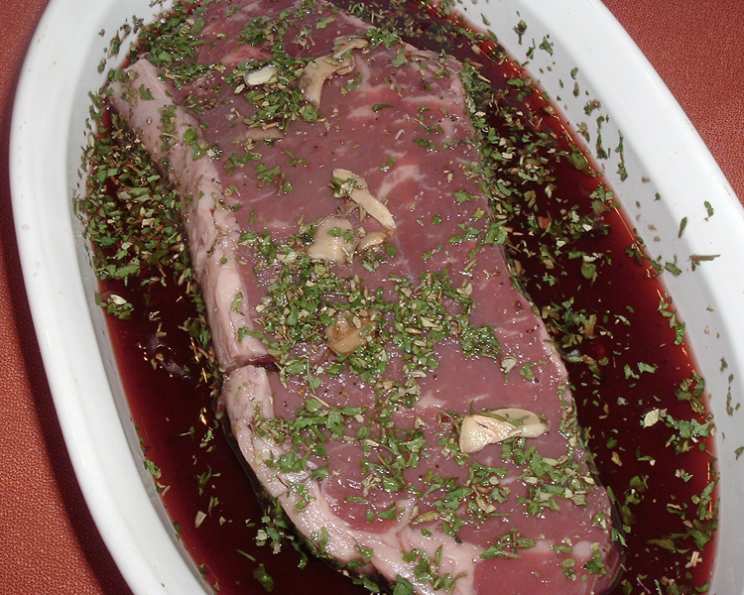
Marinate the Steak: In a large bowl or a resealable plastic bag, combine the red wine, oregano, black pepper, salt, parsley, and garlic. Place the steak pieces into this marinade, ensuring they are fully submerged. Cover the bowl or seal the bag and refrigerate for at least eight hours, or preferably overnight. This extended marination is crucial for tenderizing the steak and infusing it with the vibrant flavors of the marinade.
-
Sauté the Aromatics: When you’re ready to prepare the meal, take the marinated steak out of the refrigerator about 30 minutes before cooking to allow it to come closer to room temperature. In your large skillet, heat the cooking oil over medium-high heat. Add the mushrooms (halved) and the chopped onion. Sauté these vegetables until they are softened and lightly browned, about 5-7 minutes. Once cooked, remove the mushrooms and onions from the skillet and set them aside in a separate bowl.
-
Brown the Steak: Carefully remove the steak pieces from the marinade, discarding the marinade liquid. Pat the steak pieces dry with paper towels; this helps achieve a better sear. Return the skillet to medium-high heat. Once hot, brown the steak pieces on all sides until a beautiful crust forms. Don’t overcrowd the pan; cook in batches if necessary.
-
Simmer to Perfection: Once the steak is browned, add the Worcestershire sauce to the skillet. Then, add back the reserved mushrooms and onions. Simmer this mixture gently for 1/2 hour over low heat. This slow simmering process allows the steak to finish cooking and to absorb the rich flavors of the pan juices and vegetables.
-
Transfer and Cover: After the simmering period, remove the steak, mushrooms, and onions from the skillet and transfer them to a large casserole dish or a suitable serving platter. Cover the dish to keep the contents warm.
-
Prepare the Gravy: While the steak is resting, you’ll use the remaining pan juices in the skillet to create a delicious gravy. If the pan has excess fat, you can carefully drain some of it off, leaving behind the flavorful fond and liquids. Whisk these pan juices to incorporate any browned bits from the bottom of the skillet. If the liquid seems too thin, you can thicken it by creating a slurry of a tablespoon of flour mixed with a few tablespoons of water, then whisking it into the simmering juices until thickened to your desired consistency. This simple step elevates the entire dish.
-
Serve: Pour the prepared gravy generously over the steak, mushrooms, and onions in the casserole dish. This Red Wine Steak is traditionally served with cooked egg noodles, which are perfect for soaking up the rich sauce.
Expert Tips & Tricks
As a chef, I’ve learned that a few little touches can make a significant difference.
- Quality of Wine Matters: While you don’t need the most expensive bottle, use a red wine that you would enjoy drinking. The flavor of the wine will concentrate during cooking, so choose something you find palatable.
- Don’t Rush the Marinade: The eight-hour marination is not just a suggestion; it’s essential for tenderizing the sirloin steak and allowing the flavors to fully penetrate. If you have the time, extending this to 12-24 hours (while keeping an eye on the steak in the fridge) can yield even more incredible results.
- Achieve a Perfect Sear: Ensure your skillet is hot before adding the steak. This creates a beautiful brown crust, which not only adds flavor and texture but also helps to seal in the juices.
- Thickening the Gravy: If you prefer a thicker gravy, don’t be afraid to use the flour-water slurry method. Alternatively, a tablespoon of cornstarch mixed with a tablespoon of cold water works just as well.
- Resting the Steak: Although the steak is simmered in the sauce, allowing it to rest for a few minutes after transferring it to the casserole dish can still help redistribute its juices for maximum tenderness.
Serving & Storage Suggestions
This Red Wine Steak is a dish that shines when served hot, straight from the kitchen.
- Serving: Present the steak pieces on a bed of cooked egg noodles, spooning plenty of the rich mushroom and onion-infused gravy over the top. A sprinkle of fresh parsley adds a vibrant pop of color and freshness. It pairs wonderfully with a simple green salad or some crusty bread to mop up any leftover sauce.
- Storage: Leftovers can be stored in an airtight container in the refrigerator for up to 3 days. When reheating, it’s best to gently warm the steak and gravy mixture on the stovetop over low heat, or in a covered dish in a moderate oven (around 325°F or 160°C) until heated through. Avoid microwaving at high power, as this can toughen the steak.
Nutritional Information
Here’s an estimated nutritional breakdown for this flavorful dish. Please note that these are approximate values and can vary based on the specific ingredients and portion sizes used.
| Nutrient | Amount per Serving | % Daily Value |
|---|---|---|
| Calories | 405.5 kcal | – |
| Calories from Fat | 190 kcal | – |
| Total Fat | 21.1 g | 32% |
| Saturated Fat | 7.3 g | 36% |
| Cholesterol | 75.2 mg | 25% |
| Sodium | 685.7 mg | 28% |
| Total Carbohydrate | 8.6 g | 2% |
| Dietary Fiber | 1.2 g | 4% |
| Sugars | 2.6 g | 10% |
| Protein | 23.2 g | 46% |
Variations & Substitutions
While this recipe is a classic, feel free to explore variations to suit your palate.
- Different Cuts of Steak: While sirloin is specified, other tender cuts like ribeye or New York strip could also be used, though cooking times might vary.
- Herb Variations: Feel free to experiment with other herbs in the marinade, such as thyme or rosemary, which also pair wonderfully with red meat and red wine.
- Vegetable Additions: For a heartier dish, consider adding other root vegetables like carrots or parsnips to the simmer, cut into similar-sized pieces.
- Spice Level: If you enjoy a little heat, a pinch of red pepper flakes can be added to the marinade or the gravy.
FAQs
Q: Can I use any type of red wine for this recipe?
A: It’s best to use a dry red wine that you would enjoy drinking, such as a Cabernet Sauvignon, Merlot, or a dry Pinot Noir. Sweet wines will alter the flavor profile significantly.
Q: How can I make this dish gluten-free?
A: To make this gluten-free, ensure your Worcestershire sauce is gluten-free and skip the optional flour slurry for thickening the gravy. You can use a cornstarch slurry or simply let the sauce reduce naturally. Serve with gluten-free pasta or mashed potatoes instead of egg noodles.
Q: My steak seems a bit tough. What did I do wrong?
A: Toughness can sometimes be due to not marinating long enough, cutting against the grain (if the steak wasn’t pre-cut), or overcooking. Ensure you’ve followed the marinating time and consider how you slice the steak before serving if you are slicing it yourself.
Q: How long does the steak need to marinate?
A: The recipe specifies eight hours, but marinating overnight (up to 24 hours) is ideal for maximum tenderness and flavor infusion.
Q: Can I make this recipe ahead of time?
A: The steak can be marinated up to 24 hours in advance. The sautéing of the vegetables and simmering of the steak can also be done ahead, and then the gravy can be made and poured over just before serving, gently reheating the entire dish.
Final Thoughts
This Red Wine Steak is more than just a meal; it’s an experience. It’s the kind of dish that transforms an ordinary evening into something memorable, perfect for a cozy dinner for two or a gathering of friends. The rich, complex flavors are a testament to the power of simple, quality ingredients and a little bit of patience. I encourage you to try this recipe, to let the aromas fill your home, and to savor every delicious bite. Serve it with a robust red wine that complements the dish, perhaps a Syrah or a Zinfandel, and let the good times flow. I’d love to hear about your culinary adventures with this recipe!