
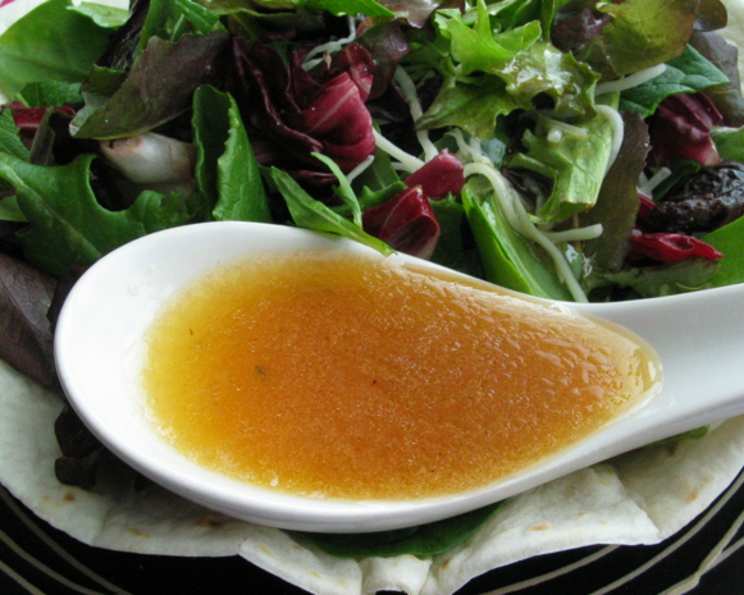
The Quintessential Red Wine Vinaigrette: A Chef’s Companion
There are certain foundational recipes that, once mastered, unlock a world of culinary possibilities. For me, the humble red wine vinaigrette is precisely one of those cornerstones. I vividly recall my first encounter with a truly exceptional vinaigrette, not in a restaurant, but in my grandmother’s sun-drenched kitchen. She’d whip it up with a flourish, a splash of olive oil here, a dash of vinegar there, the scent of it mingling with baking bread and simmering tomatoes. It wasn’t just a dressing; it was an experience, transforming a simple bowl of greens into something vibrant and celebratory. That memory, imbued with the warmth of family and the magic of simple, quality ingredients, is why this particular vinaigrette holds such a special place in my heart and my repertoire.
Recipe Overview
- Prep Time: 5 minutes
- Cook Time: 0 minutes
- Total Time: 5 minutes
- Servings: 4
- Yield: Approximately 2 cups
- Dietary Type: Vegan, Gluten-Free, Dairy-Free
Ingredients
The beauty of a classic red wine vinaigrette lies in its simplicity, relying on a few key components to create a balanced and bright flavor profile.
- 1⁄2 cup red wine vinegar
- 3 1⁄2 tablespoons lemon juice
- 2 1⁄2 tablespoons honey
- 2 teaspoons salt
- 1⁄4 teaspoon pepper
- 1 cup olive oil
Equipment Needed
While this recipe is wonderfully straightforward, having a few basic kitchen tools will make the process even smoother.
- Medium-sized bowl or a jar with a tight-fitting lid
- Whisk
- Measuring cups and spoons
Instructions
Crafting this elegant dressing is a testament to the power of combining fundamental flavors. The process is quick, yet the result is far more sophisticated than its rapid preparation might suggest.
- Begin by combining the red wine vinegar, lemon juice, honey, salt, and pepper in your chosen mixing vessel. Whether you opt for a medium-sized bowl or a clean jar, these are the foundational liquids and seasonings that will form the backbone of your vinaigrette.
- If using a bowl, vigorously whisk these ingredients together. Ensure the salt and pepper are well incorporated and the honey has begun to dissolve into the acidic base.
- Once the initial ingredients are well combined, it’s time to introduce the olive oil. With one hand, slowly drizzle the olive oil into the bowl in a thin, steady stream while continuously whisking with your other hand. This emulsification process is crucial for creating a smooth, cohesive dressing rather than an oily, separated mess. The constant whisking helps the oil and vinegar bind together, creating a beautifully unified emulsion.
- Continue whisking until the vinaigrette is well emulsified, meaning it’s smooth and slightly thickened, with no visible separation between the oil and vinegar. If using a jar, you’ll simply add all the ingredients, secure the lid tightly, and shake vigorously for about 30 seconds to achieve the same emulsified consistency.
Expert Tips & Tricks
To elevate your red wine vinaigrette from good to exceptional, consider these professional insights:
- Quality Matters: The flavor of your vinaigrette is only as good as its ingredients. Invest in a good quality red wine vinegar and a flavorful extra virgin olive oil. The difference is palpable.
- Emulsification is Key: The magic of a great vinaigrette is its emulsification. If your dressing separates before you use it, don’t despair! Simply whisk or shake it vigorously again to re-emulsify. For a more stable emulsion, especially if making ahead, you can add a tiny pinch of Dijon mustard (about 1/2 teaspoon) when combining the vinegar and honey. This acts as an emulsifier.
- Taste and Adjust: This recipe provides a fantastic starting point, but your palate is the ultimate guide. Once you’ve whisked everything together, taste a small amount and adjust the salt, pepper, or even the acidity with a touch more lemon juice or vinegar, or the sweetness with a bit more honey, to suit your preference.
- Infuse Your Flavors: Want to add a gourmet twist? Consider infusing your olive oil beforehand with garlic, herbs like rosemary or thyme, or chili flakes. Let the oil sit with your aromatics for at least a few hours, or even overnight, then strain before using it in the vinaigrette.
Serving & Storage Suggestions
This versatile vinaigrette is your go-to for countless culinary applications.
Serving: It is, of course, divine drizzled generously over a crisp green salad. Think mixed greens, romaine lettuce, spinach, or arugula. It also pairs beautifully with heartier salads featuring grains like quinoa or farro, or roasted vegetables. Beyond salads, it’s a superb marinade for chicken, fish, or pork, adding a bright tang before cooking. You can also use it as a finishing drizzle over grilled meats or roasted vegetables for an extra layer of flavor.
Storage: Properly stored, this vinaigrette will keep well. Transfer any leftover dressing to an airtight container or a clean glass jar with a tight-fitting lid. It will remain fresh in the refrigerator for up to 2 weeks. Due to the olive oil solidifying slightly when cold, you may notice some separation after refrigeration. Simply remove it from the fridge about 15-20 minutes before serving and whisk or shake it vigorously to re-emulsify. It is not recommended to freeze this vinaigrette as the emulsification may break down upon thawing.
Nutritional Information
Here’s an approximate nutritional breakdown per serving (assuming 4 servings). Please note that this can vary based on the specific brands and types of ingredients used.
| Nutrient | Amount per Serving | % Daily Value |
|---|---|---|
| Calories | 526.2 kcal | |
| Calories from Fat | 486 kcal | |
| Total Fat | 54 g | 83% |
| Saturated Fat | 7.5 g | 37% |
| Cholesterol | 0 mg | 0% |
| Sodium | 1166.9 mg | 48% |
| Total Carbohydrate | 11.9 g | 3% |
| Dietary Fiber | 0.1 g | 0% |
| Sugars | 11.1 g | 44% |
| Protein | 0.1 g | 0% |
Variations & Substitutions
While the classic recipe is perfection, feel free to explore delightful variations:
- Herbal Infusion: Add finely chopped fresh herbs like parsley, chives, dill, or tarragon to the vinaigrette for an herbaceous burst.
- Garlic Lover’s Dream: Mince a clove of fresh garlic very finely and add it to the initial mixing step. For a milder garlic flavor, you can gently smash a whole clove, add it to the vinegar mixture, let it steep for 30 minutes, then remove the clove before adding the oil.
- Spicy Kick: Incorporate a pinch of red pepper flakes or a tiny dash of your favorite hot sauce for a touch of heat.
- Shallot Spark: Finely mince a small shallot and add it to the vinegar mixture for a subtle, sweet oniony note.
- Sweetener Swap: If honey isn’t your preference, you can substitute it with maple syrup or agave nectar for a vegan option.
FAQs
Q: Why is my vinaigrette separating?
A: Vinaigrettes are emulsions, and they can naturally separate over time. Simply whisk or shake it vigorously again before serving to bring it back together.
Q: Can I use a different type of vinegar?
A: Absolutely! While red wine vinegar is classic, you can experiment with other vinegars like balsamic vinegar (though this will change the color and flavor profile significantly), apple cider vinegar, or white wine vinegar for different taste nuances.
Q: How can I make this vinaigrette thicker?
A: For a thicker consistency, ensure you are whisking vigorously as you add the oil. Adding a small amount of Dijon mustard (about 1/2 teaspoon) also acts as an emulsifier and will thicken the dressing.
Q: Is this vinaigrette suitable for marinating meat?
A: Yes, its acidity is perfect for tenderizing and flavoring meats like chicken, pork, or fish. Marinate for at least 30 minutes, or up to a few hours depending on the type of meat.
Q: How long can I store this vinaigrette?
A: When stored in an airtight container in the refrigerator, this vinaigrette will stay fresh for up to 2 weeks.
Final Thoughts
The red wine vinaigrette is more than just a dressing; it’s a fundamental building block in the home cook’s repertoire. It embodies the philosophy of using simple, quality ingredients to create something profoundly delicious. I encourage you to make a batch of this today and discover its versatility. Dress your favorite salad, use it as a marinade, or simply drizzle it over fresh vegetables. Experiment with the suggested variations, and don’t hesitate to make it your own. I’d love to hear how you enjoy this classic! Perhaps you’ll pair it with a crisp glass of Sauvignon Blanc or a hearty crusty bread to sop up any extra goodness. Happy cooking!