
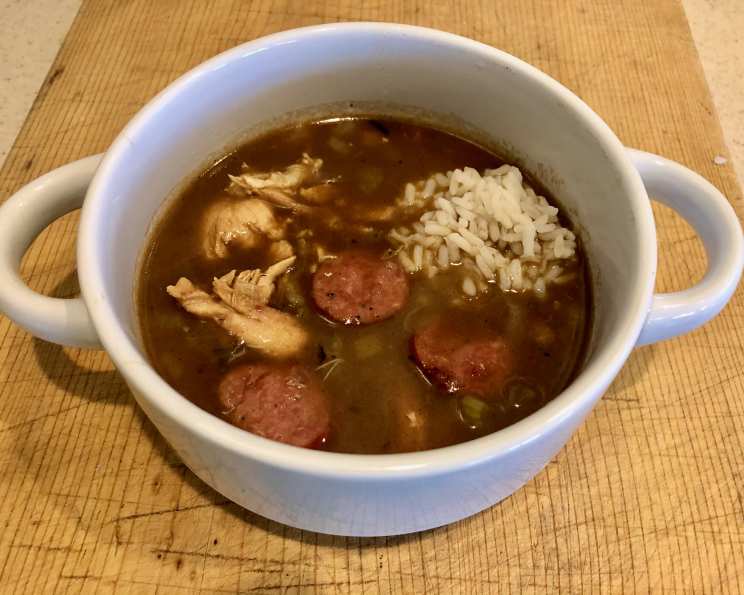
Reduced Fat Chicken and Sausage Gumbo: A Taste of Home, Lighter
There are few dishes that conjure the deep, soul-warming embrace of a Southern kitchen quite like gumbo. For me, gumbo is intrinsically linked to my father, a man who could coax magic from even the simplest ingredients. His gumbo was legendary, a Sunday ritual that filled our home with an aroma so profound it felt like a hug. While I adored his classic version, I often found myself wishing for a way to capture that same depth of flavor with a lighter touch. This reduced-fat chicken and sausage gumbo is my answer – a testament to the fact that you don’t need a mountain of oil to achieve a rich, nutty-brown roux and a complex, satisfying stew. It’s a recipe born from love, tradition, and a little bit of culinary experimentation, and I’m thrilled to share it with you.
Recipe Overview
- Prep Time: 30 minutes
- Cook Time: 1 hour 10 minutes
- Total Time: 1 hour 40 minutes
- Servings: 14
- Yield: Approximately 3 quarts
- Dietary Type: Reduced Fat
Ingredients
- 1 cup all-purpose flour
- 2 cups onions, chopped
- 1 cup bell pepper, chopped
- 1 cup celery, chopped
- 1 whole skinless chicken, boiled until tender
- Water, enough to cover the chicken for boiling
- 1/2 lb smoked sausage, cut in 1/4-inch rounds
- 1/2 lb andouille sausage, sliced
- 2 garlic cloves, chopped fine
- 2 chicken bouillon cubes
- 1/2 cup green onion tops, chopped
- 1/4 bunch fresh parsley, chopped
- Salt, to taste
- Black pepper, to taste
- Cayenne pepper, to taste
Equipment Needed
- Heavy skillet (cast iron is ideal for the roux)
- Large pot or Dutch oven
- Spatula or whisk
- Sharp knife
- Cutting board
- Measuring cups and spoons
- Bowls for holding chopped ingredients
Instructions
The heart and soul of any great gumbo lies in its roux. This reduced-fat version skips the oil and relies on patience and constant attention to transform flour into a deeply flavorful base.
-
Prepare the Dry Roux: In a heavy skillet over medium-high heat, combine the 1 cup of all-purpose flour. Stir constantly with a spatula or whisk, ensuring you scrape the bottom of the skillet clean. The key here is continuous movement to prevent scorching and to promote even browning. As you stir, you’ll notice steam rising from the flour. At this point, reduce the heat to maintain a gentle, consistent browning. Your goal is a rich, nutty-brown color, akin to mahogany. Do not burn the flour, as this will impart a bitter taste to your gumbo.
- Testing for Doneness: To test, remove the skillet from the heat and continue stirring for about 1 minute off the heat to stop the cooking process. Then, carefully place a small amount of the browned flour mixture into a drop or two of water. Use the back of a spoon to force it to mix. You are looking for a deep, rich mahogany hue. Once achieved, remove the skillet from the heat immediately and continue stirring until the residual heat stops the cooking. Allow the roux to stand for a while to cool. This dry roux can be made ahead of time and stored in a zip-lock freezer bag in the freezer for future gumbo endeavors.
-
Prepare the Chicken: While the roux cools, prepare your chicken. Remove the skin and fat from the skinless chicken. Place the chicken in a pot and cover it with water. Bring to a boil, then simmer until the chicken is completely tender. Once cooked, cool the chicken, then debone and chop it into small chunks. Reserve the liquid from boiling the chicken – this is precious flavor!
-
Sauté the Vegetables and Sausages: In another large skillet, over a medium flame, heat a small amount of oil (just enough to prevent sticking). Add the 2 cups of chopped onions, 1 cup of chopped bell pepper, and 1 cup of chopped celery. Cook until the onions are clear, which signifies they have softened and released their sweetness. Next, add the 1/2 lb of smoked sausage, cut into 1/4-inch rounds, and the 1/2 lb of andouille sausage, sliced. Cook for a few minutes until the sausages begin to render some of their fat and brown slightly.
-
Build the Gumbo Base: Pour the reserved chicken liquid (the broth from boiling the chicken) into the skillet with the vegetables and sausages. Add the 2 chopped garlic cloves and the 2 chicken bouillon cubes. Bring the mixture to a boil, then reduce the heat to a simmer.
-
Incorporate the Roux: Now, it’s time to unite the roux with the gumbo base. In a separate bowl, mix the prepared dry roux with a small amount of water, whisking vigorously to ensure the roux is evenly wet and lump-free. Gradually add this wet roux mixture to the simmering gumbo, stirring constantly to incorporate it smoothly.
-
Adjust Consistency and Flavor: Check the liquid level of the gumbo. If it seems too thick, add more chicken broth or hot water as needed. The gumbo should have the rich color of the roux and be just slightly thickened, coating the back of a spoon. Allow the gumbo to simmer for approximately 30 minutes, allowing the flavors to meld and deepen.
-
Season and Finish: Season the gumbo with salt and black pepper to your preference. For that signature gumbo kick, add ground red (cayenne) pepper. Start with a small amount, just enough to “prick the tongue,” and adjust to your heat tolerance. About 5 to 10 minutes before removing the gumbo from the heat, stir in the 1/2 cup of chopped green onion tops and the 1/4 bunch of chopped fresh parsley. These fresh herbs add a burst of brightness that balances the richness of the stew.
Expert Tips & Tricks
- Roux Patience is a Virtue: The dry roux is the most crucial step. Don’t rush it. Keep stirring, and if you see any dark specks appear, carefully scrape them out to avoid a burnt flavor. It’s better to have a slightly lighter roux and build flavor with other ingredients than to have a burnt one.
- Make Ahead Magic: The dry roux can be made days in advance and stored in an airtight container in the pantry or freezer. This will significantly cut down on your prep time when you’re ready to make gumbo.
- Sausage Selection: While smoked and andouille sausages are traditional, feel free to experiment with other flavorful smoked sausages. Ensure they are good quality and have a nice smoky depth.
- Chicken Broth Quality: Using homemade chicken broth for boiling the chicken will further enhance the overall flavor of your gumbo.
Serving & Storage Suggestions
Gumbo is traditionally served over a bed of fluffy white rice. Ladle a generous scoop of hot cooked rice into your serving bowl, then spoon the rich gumbo over the top. For the complete experience, serve with plenty of crusty French bread for dipping. A simple tossed salad makes a refreshing accompaniment.
Leftovers can be stored in an airtight container in the refrigerator for up to 3-4 days. To reheat, gently warm the gumbo on the stovetop over low heat, stirring occasionally. You can also freeze gumbo for up to 3 months. Thaw overnight in the refrigerator before reheating.
Nutritional Information
| Nutrient | Amount per Serving | % Daily Value |
|---|---|---|
| Calories | 175 kcal | |
| Calories from Fat | ||
| Total Fat | 9.7 g | 14% |
| Saturated Fat | 3.3 g | 16% |
| Cholesterol | 29.7 mg | 9% |
| Sodium | 484.4 mg | 20% |
| Total Carbohydrate | 11 g | 3% |
| Dietary Fiber | 1.1 g | 4% |
| Sugars | 1.9 g | 7% |
| Protein | 10.4 g | 20% |
Note: Nutritional information is an estimate and can vary based on specific ingredients and portion sizes.
Variations & Substitutions
While this recipe focuses on a reduced-fat approach, the spirit of gumbo is adaptable. For a vegetarian or vegan version, omit the chicken and sausages and build a robust vegetable base with mushrooms, okra, and perhaps some plant-based sausage. The dry roux is already vegan-friendly. If you’re looking for a quicker gumbo, using pre-cooked chicken and a good quality store-bought chicken broth can save time.
FAQs
Q: Why is a dry roux important for this reduced-fat gumbo?
A: A dry roux, made by toasting flour without oil, develops a deep, nutty flavor that is essential to gumbo. It allows us to achieve that traditional richness without relying on added fats.
Q: Can I make the dry roux ahead of time?
A: Absolutely! The dry roux can be made well in advance and stored in an airtight container. This is a fantastic time-saving tip.
Q: What is the best way to avoid lumps when adding the roux to the gumbo?
A: Mix the dry roux with a little bit of cool water first, whisking until smooth and well combined. Then, gradually add this paste to the simmering liquid while stirring constantly.
Q: How can I adjust the heat level of my gumbo?
A: The cayenne pepper controls the heat. Start with a small amount and taste. You can always add more, but you can’t take it away.
Q: Is it okay to add okra to this gumbo?
A: While okra isn’t in this specific recipe, it’s a classic gumbo ingredient. If you enjoy okra, you can sauté it with the other vegetables or add it directly to the simmering gumbo.
This reduced-fat chicken and sausage gumbo is more than just a recipe; it’s an invitation to create cherished memories in your own kitchen. It’s a dish that speaks of tradition, comfort, and the enduring joy of sharing good food with loved ones. Gather your ingredients, embrace the patient art of the roux, and savor every deeply flavored spoonful.