
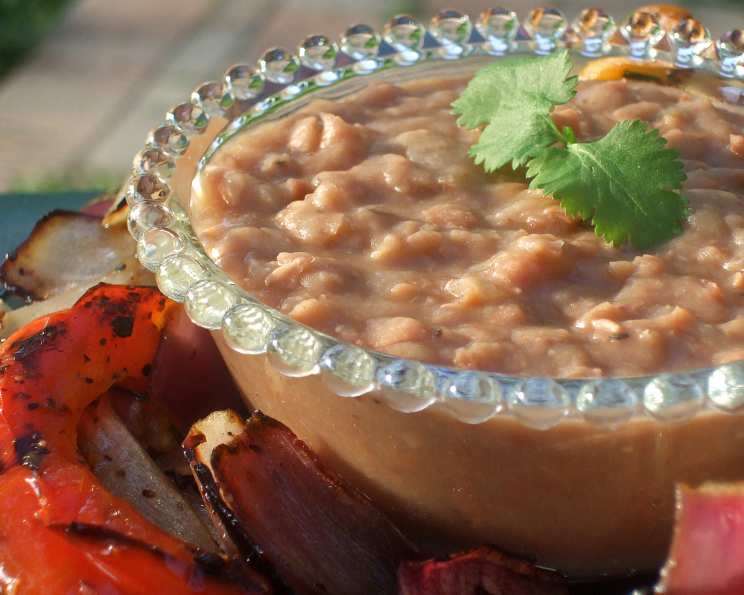
Refried Beans Without the Refry: A Crock Pot Wonder
I remember my abuela’s kitchen, a symphony of clattering pans and the comforting aroma of simmering beans. Her refried beans were legendary, a staple at every family gathering, but they also represented hours of stirring over a hot stovetop. As a young cook, I longed to capture that same rich, velvety texture without the sheer physical labor. Then, one day, I stumbled upon a method that promised all the flavor and none of the fuss – a slow cooker approach that miraculously transformed simple dried beans into something truly special, bypassing the traditional, labor-intensive “refrying” process. It was a revelation, a gateway to authentic, homemade refried beans that fit seamlessly into a busy life, proving that delicious doesn’t always have to mean complicated.
Recipe Overview
- Prep Time: 15 minutes
- Cook Time: 8 hours
- Total Time: 8 hours 15 minutes
- Servings: 14
- Yield: Approximately 9 cups
- Dietary Type: Vegan, Gluten-Free, Dairy-Free
Ingredients
Here’s what you’ll need to create this delightful, simplified refried beans:
- 1 onion, peeled and halved
- 3 cups dry pinto beans, rinsed thoroughly
- 1/2 fresh jalapeno pepper, seeded and chopped
- 2 tablespoons garlic, minced
- 3-4 teaspoons salt, adjust to personal taste
- 1 3/4 teaspoons black pepper
- 1/8 teaspoon ground cumin (optional, but highly recommended for depth of flavor)
- 9 cups water
Equipment Needed
- Slow cooker (6-quart or larger recommended)
- Colander for rinsing beans
- Measuring cups and spoons
- Potato masher
- Fine-mesh sieve (for reserving liquid)
Instructions
This recipe is all about letting your slow cooker do the heavy lifting. The key here is the long, slow cooking time, which tenderizes the beans beautifully and infuses them with flavor, making the mashing process effortless and yielding a creamy texture.
- Begin by placing the halved onion, the rinsed dry pinto beans, the seeded and chopped fresh jalapeno pepper, and the minced garlic into your slow cooker.
- Next, add the salt, black pepper, and the optional ground cumin.
- Pour in the 9 cups of water. Give everything a good stir to ensure all the ingredients are well combined and the beans are submerged.
- Cover the slow cooker and cook on High for 8 hours. During this cooking time, it’s important to add more water as needed. Keep an eye on the liquid level, especially towards the end of the cooking period. A good indicator that your slow cooker’s temperature might be too high is if more than 1 cup of water has evaporated during the cooking process. If you notice significant evaporation, reduce the heat setting if your slow cooker has an adjustable option, or note that you may need slightly less water next time. The goal is for the beans to be exceptionally tender.
- Once the 8 hours are up and the beans are wonderfully soft, carefully strain them using a colander. Crucially, reserve the cooking liquid. This liquid is packed with flavor and will be essential for achieving the perfect consistency in your refried beans.
- Return the drained beans to the empty slow cooker insert (or a large bowl). Using a potato masher, begin to mash the beans. This is where the magic happens – because the beans have cooked so long and evenly, they will break down beautifully.
- As you mash, gradually add the reserved cooking liquid, a little at a time, until you achieve your desired consistency. Some prefer their refried beans quite thick and pasty, while others enjoy them a bit looser. Continue mashing and adding liquid until you reach that perfect, creamy texture.
Expert Tips & Tricks
- Bean Selection is Key: While pinto beans are traditional and yield the best results for this method, feel free to experiment. Some reviewers have had success substituting a portion of the pinto beans with black beans for a slightly different flavor profile and color. Just ensure they are also dry beans and rinsed.
- Salt with Caution: The original recipe noted that salt can be a point of contention for home cooks. The provided 3-4 teaspoons is a starting point, but I highly recommend adding the salt at the end of the mashing process. This allows you to taste and adjust, ensuring it’s perfect for your palate. If you’re sensitive to sodium, you can even start with 1-2 teaspoons and add more gradually.
- Consistency Control: Don’t be afraid to play with the reserved liquid! If you accidentally add too much and your beans become too thin, you can let them simmer uncovered on the stovetop for a few minutes to evaporate some of the excess moisture, or even add a few more mashed beans if you have them.
- Flavor Boost: For an extra layer of smoky depth, consider adding a pinch of smoked paprika along with the cumin, or even a tiny dash of cayenne pepper for a subtle kick.
- Make Ahead Masterpiece: These refried beans are fantastic made a day or two in advance. The flavors meld beautifully overnight. Simply reheat gently on the stovetop or in the microwave, adding a splash more reserved liquid or water if they’ve thickened too much.
Serving & Storage Suggestions
These refried beans are incredibly versatile. Serve them warm as a classic side dish alongside tacos, enchiladas, burritos, or fajitas. They are also a wonderful base for nachos, a topping for tostadas, or even as a hearty component in a breakfast scramble. Garnish with a dollop of sour cream or crema, shredded cheese, chopped cilantro, or a sprinkle of pico de gallo for added flair.
Storage:
- Room Temperature: Due to the slow cooking and mashing process, it’s best to refrigerate these beans promptly once they have cooled slightly.
- Refrigerator: Leftover refried beans can be stored in an airtight container in the refrigerator for up to 3-4 days.
- Freezer: For longer storage, cool completely and transfer to freezer-safe containers or heavy-duty freezer bags. They will keep well in the freezer for up to 2-3 months. Thaw overnight in the refrigerator before reheating.
- Reheating: Reheat gently on the stovetop over low heat, stirring frequently and adding a tablespoon or two of water or broth if they seem dry. Alternatively, reheat in the microwave, stirring halfway through.
Nutritional Information
This table provides an approximate nutritional breakdown per serving, assuming the recipe yields 14 servings.
| Nutrient | Amount per Serving | % Daily Value |
|---|---|---|
| Calories | 93 kcal | 5% |
| Total Fat | 0.7 g | 1% |
| Saturated Fat | 0.1 g | 1% |
| Cholesterol | 0 mg | 0% |
| Sodium | 407 mg | 18% |
| Total Carbohydrate | 17.5 g | 6% |
| Dietary Fiber | 6.8 g | 24% |
| Sugars | 0.8 g | 1% |
| Protein | 5.5 g | 11% |
Note: Nutritional values are estimates and can vary based on specific ingredients and portion sizes.
Variations & Substitutions
- Spicier Version: If you love heat, leave some of the seeds in the jalapeno pepper, or add a pinch of red pepper flakes to the slow cooker.
- Black Bean Twist: As mentioned, you can substitute a portion of the pinto beans with dry black beans. The cooking time should remain the same, but the final color and flavor will be different.
- Vegetarian Sausage: For a heartier dish, consider adding a chopped vegan sausage to the slow cooker along with the beans. This will infuse the beans with a smoky, savory flavor.
- Creamier Texture: If you find mashing doesn’t quite achieve the ultra-creamy texture you desire, you can transfer a portion of the mashed beans to a blender or use an immersion blender for a smoother consistency, then combine it back with the rest of the mashed beans.
FAQs
Q: Why don’t I need to “refry” these beans in a pan?
A: The prolonged cooking time in the slow cooker tenderizes the beans to such an extent that they mash into a creamy consistency without needing to be fried in lard or oil.
Q: Can I use canned beans instead of dry beans for this recipe?
A: This specific recipe is designed for dry beans, as the slow cooking process is crucial for achieving the desired texture and flavor development. Using canned beans would require a different approach.
Q: How do I adjust the salt if I’m concerned about the amount?
A: It’s best to add the salt towards the end of the cooking process and mash it in gradually, tasting as you go. This ensures you don’t over-salt the beans.
Q: What is the best way to ensure the beans are tender enough for mashing?
A: The 8-hour cooking time on High is usually sufficient, but check the beans for tenderness. They should be easily mashed with a fork. If they are still firm, continue cooking, checking every hour.
Q: Can I make this recipe on the stovetop if I don’t have a slow cooker?
A: Yes, you can adapt this recipe for the stovetop. After rinsing and combining ingredients, simmer them in a large pot covered with water for 2-3 hours, or until tender, adding water as needed. Then proceed with mashing.
Final Thoughts
This slow cooker method for refried beans is a game-changer, a testament to how simple ingredients and a little patience can yield incredibly rewarding results. It’s a dish that brings comfort and authenticity to any table, proving that you don’t need to be a seasoned expert to master a beloved classic. Give it a try, and I’m confident you’ll be adding this “no-refry” wonder to your regular rotation. Serve it alongside your favorite Mexican-inspired fare and perhaps a crisp margarita or a refreshing agua fresca. I’d love to hear how you enjoy them!