
Banish the Shock: A Chef’s Guide to a Static-Free Home
As a chef, my kitchen is a sanctuary of controlled chaos, a place where the hum of ovens and the sizzle of pans are the dominant sounds. Yet, there’s one insidious household nuisance that can jolt me right out of my culinary rhythm: static electricity. Those unexpected, sharp shocks, especially when shuffling across the carpet in wool socks on a dry winter day, are less than ideal. I remember one particularly frosty morning, reaching for a mixing bowl, only to receive a surprisingly potent zap that sent my perfectly measured flour scattering across the counter. It was a moment of pure, unadulterated annoyance, a stark reminder that even in the most beloved spaces, unwelcome surprises can lurk. This experience, and many like it, fueled my desire for a simple, effective solution, one that didn’t involve complex electronics or expensive gadgets.
Recipe Overview
- Prep Time: 2 minutes
- Cook Time: N/A
- Total Time: 2 minutes
- Servings: N/A
- Yield: 24 ounces
- Dietary Type: N/A
Ingredients
- 1/2 cup liquid fabric softener (approximately 4 oz)
- 2 1/2 cups water (approximately 20 oz)
The beauty of this remedy lies in its simplicity and the readily available nature of its components. For the liquid fabric softener, I’ve found that Ultra Downy Clean Breeze works wonderfully, imbuing the air with a fresh, clean scent. However, feel free to experiment with your favorite good-quality fabric softener. The key is to ensure it’s a liquid form. The water acts as the solvent, diluting the softener to create a spray that is effective yet gentle on your carpets.
Equipment Needed
- 24 oz or larger spray bottle
That’s it! A single, standard-sized spray bottle is all you need to prepare this effective solution. Ensure it has a functioning spray mechanism that dispenses a fine mist.
Instructions
The process of creating your own static-eliminating spray is remarkably straightforward. It’s a testament to how simple, everyday ingredients can be repurposed for significant household benefit.
- Begin by carefully measuring out your liquid fabric softener and water. You’ll need 1/2 cup of liquid fabric softener and 2 1/2 cups of water.
- Pour the measured liquid fabric softener into your 24 oz or larger spray bottle.
- Next, add the 2 1/2 cups of water to the same spray bottle.
- Securely fasten the spray nozzle onto the bottle.
- Shake the bottle vigorously. This ensures that the fabric softener and water are thoroughly combined, creating a uniform solution.
- Before you apply the mixture liberally to your carpets, it’s crucial to test a small, inconspicuous area first. This is a vital step to ensure that the solution won’t cause any staining or discoloration on your specific carpet material. Allow the tested area to dry completely before proceeding.
- Once you’ve confirmed that the solution is safe for your carpets, lightly spray the mixture over the carpeted areas. The goal is to apply a fine mist, not to drench the carpet.
- Allow the carpet to dry completely. As it dries, the static charge will dissipate.
This treatment can be repeated about every 2-3 months, or whenever you notice the carpet beginning to shock people again. Consistent application, especially during dry weather, will maintain a static-free environment.
Expert Tips & Tricks
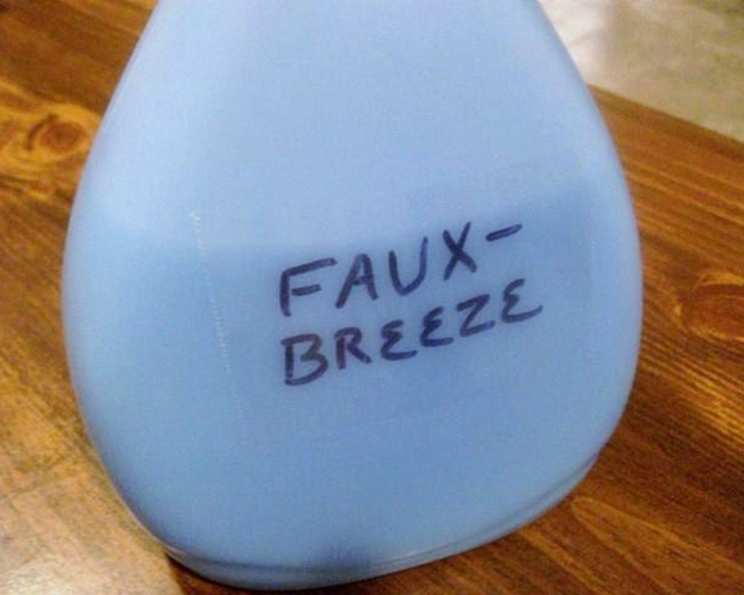
Beyond its primary purpose, this homemade spray offers a delightful dual functionality. Think of it as a “faux-Febreze” that not only tackles static but also leaves your home smelling wonderfully fresh and clean. For an extra burst of freshness, consider using a fabric softener with a scent you particularly enjoy.
Furthermore, this concoction is a fantastic alternative to store-bought dryer sheets. If you find yourself running low, or simply want a more economical option, spray a bit of this solution onto a dry paper towel and toss it into your dryer with your next load of laundry. It works wonders to reduce static cling and impart a pleasant fragrance, much like a traditional dryer sheet, but at a fraction of the cost.
Serving & Storage Suggestions
This “recipe” doesn’t involve traditional serving, but rather application. The “serving” is the pleasant, static-free environment it creates. For storage, keep the prepared spray bottle in a cool, dry place, away from direct sunlight. The mixture should remain effective for several months when stored properly. If you notice the scent fading or the effectiveness diminishing, it’s time to mix a fresh batch.
Nutritional Information
As this is a household cleaning and freshening solution, traditional nutritional information does not apply. However, we can provide a breakdown of its components:
| Component | Amount | Notes |
|---|---|---|
| Calories | 0 | Primarily water-based |
| Calories from Fat | 0 g | N/A |
| Total Fat | 0 g | N/A |
| Saturated Fat | 0 g | N/A |
| Cholesterol | 0 mg | N/A |
| Sodium | Varies | Depends on fabric softener formulation |
| Total Carbohydrate | 0 g | N/A |
| Dietary Fiber | 0 g | N/A |
| Sugars | 0 g | N/A |
| Protein | 0 g | N/A |
Variations & Substitutions
While the core recipe is remarkably effective as is, you can explore variations based on personal preference.
- Scent Customization: Experiment with different brands and scents of liquid fabric softener to find your signature home fragrance. From floral notes to crisp, clean linen, the possibilities are vast.
- Concentration Adjustment: If you find the scent too strong, you can slightly increase the amount of water in the mixture. Conversely, if you desire a more pronounced fragrance, a tad more fabric softener can be added, but always remember to re-test for staining.
- Essential Oils: For a more natural scent profile, consider adding a few drops of your favorite essential oils (like lavender, lemon, or eucalyptus) to the mixture. However, be sure to research the safety of essential oils on your specific carpet type, as some can cause discoloration or damage. Always add these after mixing the fabric softener and water and re-test.
FAQs (Frequently Asked Questions)
Q: Will this homemade spray harm my pets?
A: While generally safe when used as directed and allowed to dry, it’s always wise to keep pets away from the area while you’re spraying and until the carpet is completely dry, as they may be sensitive to the scent.
Q: Can I use this on upholstery or other fabrics?
A: It is highly recommended to test a small, inconspicuous area first on any fabric before applying it broadly, as fabric softeners can sometimes leave residue or cause discoloration on certain materials.
Q: How does this solution actually work to remove static?
A: Liquid fabric softeners contain surfactants that reduce the surface tension of water and have conditioning agents that coat fibers. When diluted and sprayed, they help to dissipate the electrical charge that builds up on carpet fibers.
Q: Is this more effective than commercial static reducers?
A: For many household carpets, this homemade solution is remarkably effective and a much more economical alternative to specialized commercial products.
Q: Can I make a larger batch and store it for longer?
A: You can certainly increase the quantities proportionally to make a larger batch. Store it in a clean, sealed container in a cool, dark place. It should remain effective for several months.
Final Thoughts
There’s a profound satisfaction in crafting simple solutions for everyday problems. This static-eliminating spray is a perfect example, transforming a minor annoyance into a manageable, even pleasant, aspect of home maintenance. It’s a reminder that sometimes, the most elegant solutions are the ones we can easily create ourselves, bringing comfort and a touch of freshness to our living spaces. So, the next time you find yourself bracing for a jolt, reach for your spray bottle and embrace the tranquility of a static-free home. I hope this brings as much ease and a pleasant aroma to your home as it does to mine.