
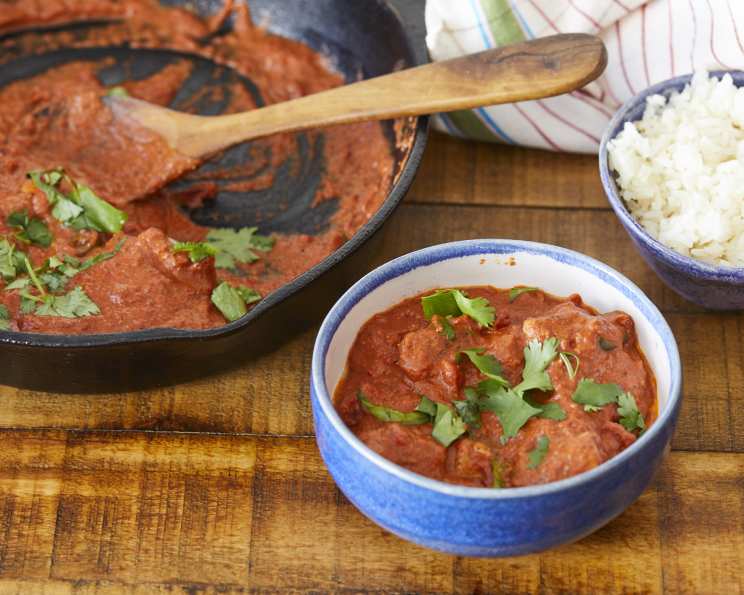
The Soul of the Curry House: Restaurant-Style Indian Butter Chicken (Chicken Makhani)
There are some dishes that, with the very first bite, transport you. For me, that dish is Indian Butter Chicken, or Chicken Makhani. I remember countless evenings as a young aspiring chef, attempting to replicate the silken, spiced tomato gravy and the impossibly tender, char-kissed chicken I’d savored in authentic Indian restaurants. My own kitchen would fill with the fragrant steam of ginger, garlic, and garam masala, each attempt bringing me closer, yet always just shy of that restaurant magic. It’s a flavor that became a benchmark, a culinary Everest I was determined to conquer, and this recipe is the summit I finally reached.
Recipe Overview
- Prep Time: 1 hour 15 minutes (including marination)
- Cook Time: 55 minutes
- Total Time: 2 hours 10 minutes (including marination)
- Servings: 4
- Yield: N/A
- Dietary Type: Non-Vegetarian
Ingredients
For the Chicken Marinade:
- 1 ½ pounds boneless, skinless chicken breasts, cut into 1-inch cubes
- 1 tablespoon lemon juice
- 1 tablespoon Mexican chili powder (ensure it’s chili powder, not chili pepper, as they differ significantly)
- Salt, to taste
- 3-4 drops liquid smoke
- 1 cup full-fat yogurt
- Salt, to taste
- 2 tablespoons garlic paste (or 6 cloves garlic, minced)
- 1 tablespoon garam masala
- 3 tablespoons butter, melted
- 1 tablespoon Mexican chili powder
- 2 tablespoons ginger paste
- 1 tablespoon lemon juice
- 1 tablespoon olive oil
For the Sauce:
- 1 tablespoon butter
- 1 ½ tablespoons garam masala
- 1 tablespoon ginger paste
- 1 tablespoon garlic paste
- 1 green chili pepper, chopped (adjust to your heat preference)
- 1 (28-ounce) can crushed tomatoes
- 1 tablespoon tomato paste
- 1 tablespoon Mexican chili powder
- Salt, to taste
- ½ tablespoon honey (or ½ tablespoon sugar)
- 1 tablespoon fenugreek leaves (dried, also known as kasoori methi)
- 1 cup heavy cream
For Garnish (Optional):
- Fresh chopped cilantro
Equipment Needed
- Large non-porous bowl for marinating
- Measuring spoons and cups
- Knife and cutting board
- Baking sheet
- Large saucepan or Dutch oven
- Spatula or wooden spoon
Instructions
The journey to truly exceptional Butter Chicken begins with a thoughtful marination. This isn’t just about adding flavor; it’s about tenderizing the chicken and infusing it with those foundational aromatics that will build the dish’s complex character.
Step 1: The First Marination
In a non-porous bowl, combine the cubed chicken breasts with 1 tablespoon of lemon juice, 1 tablespoon of Mexican chili powder, a good pinch of salt, and 3-4 drops of liquid smoke. Give it a thorough mix, ensuring each piece of chicken is coated. Cover this bowl and refrigerate for at least 1 hour. The lemon juice will begin to break down the chicken’s proteins, making it more tender, while the chili powder and liquid smoke start to lay down the smoky, slightly spicy foundation.
Step 2: The Second Marination
After the initial hour, remove the chicken from the refrigerator. Add the 1 cup of full-fat yogurt to the bowl. Stir this in until the chicken is evenly coated. Next, incorporate 2 tablespoons of garlic paste, 1 tablespoon of garam masala, 3 tablespoons of melted butter, another 1 tablespoon of Mexican chili powder, 2 tablespoons of ginger paste, 1 tablespoon of lemon juice, and 1 tablespoon of olive oil. Mix everything together diligently, ensuring every chicken cube is enveloped in this rich, aromatic marinade. Cover the bowl again and return it to the refrigerator to marinate for another 3 to 4 hours. This extended marination is crucial for allowing the flavors to deeply penetrate the chicken.
Step 3: Preheating the Oven and Baking the Chicken
When you’re ready to cook, preheat your oven to 400°F (200°C). Arrange the marinated chicken pieces in a single layer on a baking sheet. Avoid overcrowding the sheet, as this can lead to steaming rather than roasting. Place the baking sheet in the preheated oven and bake for 20 minutes. This step imparts a subtle char and a lovely texture to the chicken, reminiscent of tandoori cooking.
Step 4: Crafting the Luscious Makhani Sauce
While the chicken bakes, begin preparing the sauce. In a large saucepan or Dutch oven, melt 1 tablespoon of butter over medium heat. Once melted and shimmering, add 1 ½ tablespoons of garam masala. Stir it constantly for about 30 seconds to a minute, until the spices become fragrant and start to bubble gently. Be careful not to burn them.
Next, stir in 1 tablespoon of ginger paste, 1 tablespoon of garlic paste, and the chopped green chili pepper. Sauté this mixture for approximately 5 minutes, stirring frequently, until the raw scent of the ginger and garlic dissipates and they become aromatic.
Pour in the 28-ounce can of crushed tomatoes and stir in 1 tablespoon of tomato paste. Add 1 tablespoon of Mexican chili powder and salt to your taste. For a touch of sweetness that balances the tang of the tomatoes and the heat of the chilies, stir in ½ tablespoon of honey (or sugar). Finally, crumble in 1 tablespoon of fenugreek leaves (kasoori methi). These dried leaves are a non-negotiable ingredient for achieving that authentic curry house flavor; they release a unique, slightly bitter and savory aroma.
Bring the sauce mixture to a boil, then immediately reduce the heat to low. Simmer the sauce gently. While it simmers, pour in 1 cup of heavy cream. Stir until the cream is fully incorporated, creating a rich, velvety texture. Continue to simmer on low heat, stirring occasionally, for about an hour, or until the sauce has reduced by approximately one-third. This slow simmering allows the flavors to meld and deepen, and the sauce to thicken beautifully.
Step 5: Combining Chicken and Sauce
Once the chicken has finished baking and the sauce has reached your desired consistency, it’s time to bring them together. Carefully add the baked chicken pieces to the simmering sauce. Stir gently to ensure all the chicken is coated in the luscious Makhani sauce. Continue to simmer on medium-low heat for about an hour, or until the liquid in the sauce has reduced by about one-third. This allows the chicken to absorb the rich flavors of the sauce and become incredibly tender.
Step 6: Final Seasoning and Garnish
Taste the Butter Chicken and adjust the salt if necessary. For an optional but highly recommended finishing touch, garnish with fresh chopped cilantro. Serve hot.
Expert Tips & Tricks
- The Power of Patience: Don’t rush the marination process. The longer the chicken marinates, the more tender and flavorful it will become. Four hours is ideal, but a minimum of two hours will still yield excellent results.
- Yogurt’s Magic: Full-fat yogurt is essential for the marinade. Its tanginess helps tenderize the chicken, and its creaminess contributes to the sauce’s luxurious texture. If you’re concerned about the sourness, you can use a milder yogurt, but full-fat is best for authentic richness.
- Liquid Smoke Nuance: A few drops of liquid smoke are a chef’s secret weapon for mimicking that elusive tandoori oven flavor without needing a tandoor. Use it judiciously; too much can overpower the delicate spices.
- Fenugreek is Key: Kasoori methi (dried fenugreek leaves) might seem like a specialty ingredient, but it’s what truly elevates this dish from homemade to restaurant-style. Crush the dried leaves between your palms before adding them to the sauce to release their full aroma.
- Sauce Consistency Control: The reduction time for the sauce is crucial. If it thickens too quickly, add a splash of water or chicken broth. If it’s too thin, continue simmering uncovered for a bit longer.
Serving & Storage Suggestions
Butter Chicken is best served hot, straight from the pot. It is traditionally served with basmati rice or naan bread, both of which are perfect for scooping up every last drop of the rich sauce. For a truly authentic experience, consider serving it with a side of raita (a cooling yogurt-based condiment) to balance the warmth of the spices.
Storage:
Leftover Butter Chicken can be stored in an airtight container in the refrigerator for up to 3 days. The flavors often meld and deepen overnight, making leftovers just as delicious, if not more so.
Reheating:
To reheat, gently warm the Butter Chicken in a saucepan over low heat, stirring occasionally. You may need to add a tablespoon or two of water or cream to loosen the sauce if it has thickened too much during refrigeration. Avoid microwaving, as it can sometimes make the chicken rubbery and the sauce watery.
Nutritional Information
| Nutrient | Amount per Serving | % Daily Value |
|---|---|---|
| Calories | 679.2 kcal | – |
| Calories from Fat | – | 59 % |
| Total Fat | 44.9 g | 69 % |
| Saturated Fat | 24 g | 119 % |
| Cholesterol | 229 mg | 76 % |
| Sodium | 744.4 mg | 31 % |
| Total Carbohydrate | 29.4 g | 9 % |
| Dietary Fiber | 6.4 g | 25 % |
| Sugars | 6.9 g | 27 % |
| Protein | 44.6 g | 89 % |
Note: Nutritional information is an estimate and can vary based on specific ingredients and portion sizes used.
Variations & Substitutions
- For a Spicier Kick: While the green chili pepper adds heat, you can increase its quantity or add a pinch of cayenne pepper to the sauce for a more fiery dish.
- Dairy-Free Option: For a dairy-free version, substitute the yogurt with a full-fat, plain, unsweetened coconut yogurt. Replace the heavy cream with full-fat coconut milk (the thick part from the top of the can) and the butter with a good quality vegan butter or coconut oil.
- Vegetarian Makhani: While not traditional, you could adapt this recipe using paneer cubes or firm tofu instead of chicken. Marinate them similarly and pan-fry or bake until golden before adding them to the sauce for the final simmering.
FAQs
Q: Why is my Butter Chicken sauce not creamy enough?
A: Ensure you are using full-fat heavy cream and that you allow the sauce to simmer and reduce sufficiently. The cream needs time to emulsify and thicken with the tomato base.
Q: Can I make Butter Chicken ahead of time?
A: Yes, the marination can be done a day in advance. The entire dish can also be prepared a day ahead and gently reheated on the stovetop.
Q: What is the difference between chili powder and chili pepper?
A: “Chili powder” in North America is typically a blend of ground chilies with other spices like cumin and garlic powder, often used in Tex-Mex dishes. “Chili pepper” refers to the ground dried fruit of a chili plant, which is usually hotter and purely spicy. Using the correct “chili powder” as specified in the recipe is crucial for the intended flavor profile.
Q: My chicken is a bit dry. What went wrong?
A: Overcooking the chicken is the primary cause. Ensure you are baking it for only 20 minutes, and then simmering it in the sauce for the specified time, which allows it to finish cooking gently in the sauce.
Q: Can I use chicken thighs instead of breasts?
A: Absolutely! Chicken thighs are often more forgiving and can stay more tender. The marination and cooking times might need slight adjustments depending on the size of the thigh pieces.
Final Thoughts
This Restaurant-Style Indian Butter Chicken is more than just a recipe; it’s an invitation to recreate that magical dining experience in your own home. The deep, complex flavors, the velvety sauce, and the incredibly tender chicken come together in a symphony of tastes and aromas that will undoubtedly impress. Serve it with warm naan for dipping and fluffy basmati rice to soak up every bit of that glorious sauce. Share it with loved ones, and watch their faces light up with every delicious bite. I’m always eager to hear about your culinary adventures with this dish – do let me know how it turns out for you!