
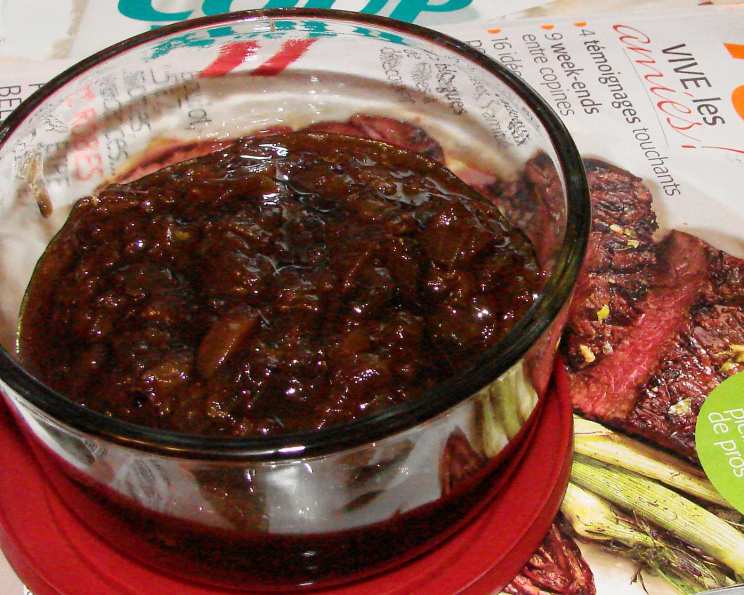
Rhubarb Relish: A Tangy Symphony for Your Palate
There’s a particular magic that happens when the first tart stalks of rhubarb appear in the spring. For me, it’s a signal that warmer days are truly on their way, and with them, a whole new palette of flavors to play with. While I adore a classic rhubarb pie or a simple stewed rhubarb served with cream, there’s a less common but utterly delightful application that has captured my heart and my pantry: Rhubarb Relish. This vibrant condiment, with its complex sweet-and-sour profile, transforms humble meats into something extraordinary and offers a brilliant counterpoint to richer dishes.
Recipe Overview
- Prep Time: 15 minutes
- Cook Time: 30 minutes
- Total Time: 45 minutes
- Servings: 40 (approximately, depending on serving size)
- Yield: 4 cups (approximately)
- Dietary Type: Vegetarian (can be made Vegan by ensuring sugar is certified vegan)
Ingredients
This relish is a beautiful testament to how simple ingredients can create something truly remarkable. The star, of course, is the rhubarb, its characteristic tartness tempered by the sweetness of brown sugar and the mellowing influence of vinegar. The onions provide a subtle savory depth, while the spices are the whispered secrets that elevate it from a simple chutney to a complex relish.
- 2 cups rhubarb, finely chopped (fresh or frozen)
- 2 cups finely chopped onions
- 2 1⁄2 cups packed brown sugar
- 1 cup vinegar
- 1 teaspoon salt
- 1⁄2 teaspoon cinnamon
- 1⁄2 teaspoon allspice
- 1⁄4 teaspoon ground cloves
- 1⁄4 teaspoon pepper
Equipment Needed
You don’t need a lot of specialized gear for this wonderfully straightforward relish.
- A large, heavy-bottomed saucepan or pot
- A wooden spoon or heatproof spatula for stirring
- Measuring cups and spoons
- A sharp knife and cutting board for chopping ingredients
- Jars or airtight containers for storage
Instructions
The creation of this Rhubarb Relish is as uncomplicated as its ingredient list, a testament to the beauty of simple, honest cooking. The magic happens on the stovetop, where time and heat coax a symphony of flavors from the raw ingredients.
- Combine the Elements: Begin by gathering all your chopped rhubarb, finely chopped onions, packed brown sugar, vinegar, salt, cinnamon, allspice, ground cloves, and pepper. Place them all into a large, heavy-bottomed saucepan or pot. The heavy bottom is crucial here; it helps to distribute heat evenly, preventing your relish from scorching, which is particularly important when dealing with sugars.
- Begin the Simmer: Place the saucepan over medium heat. You’ll want to bring the mixture to a gentle simmer. As it heats, stir the ingredients together to ensure the brown sugar begins to dissolve and the rhubarb and onions start to soften.
- The Transformation: Continue to cook over medium heat for approximately 30 minutes. During this time, you’ll need to stir occasionally. This stirring is important to prevent sticking and to ensure that the relish thickens evenly. You’ll notice the rhubarb breaking down, its bright pink hue infusing the entire mixture, and the overall consistency becoming syrupy and rich. The vinegar will mellow, the spices will bloom, and the onions will become tender and sweet. The goal is for the relish to reach a thickened consistency. You’ll know it’s ready when it coats the back of your spoon and holds its shape for a moment before sliding off.
- Cool and Store: Once the 30 minutes of cooking is complete and your relish has reached the desired thickness, remove the saucepan from the heat. Allow the rhubarb relish to cool completely. This cooling process is essential for the flavors to meld further and for the relish to achieve its final texture.
- Refrigerate: Once cooled, transfer the rhubarb relish into clean jars or airtight containers. Store it in the refrigerator. This relish is best enjoyed chilled, allowing its complex sweet and tangy notes to truly shine.
Expert Tips & Tricks
As a chef, I always look for ways to refine and enhance even the simplest recipes. This Rhubarb Relish is already fantastic, but a few seasoned touches can elevate it even further.
- The Rhubarb Cut: While the recipe calls for finely chopped rhubarb, don’t be afraid to experiment slightly with the size. If you prefer a little more texture, leave some pieces slightly larger. Conversely, for a smoother relish, you can chop it even finer. Frozen rhubarb tends to break down more easily, so if you’re using fresh, ensure it’s chopped quite small.
- The Vinegar Choice: The recipe specifies “vinegar.” While any good quality white vinegar will work, consider using apple cider vinegar for a slightly fruitier, more complex tang that complements the rhubarb beautifully. Red wine vinegar can add a deeper hue and a more robust flavor, which is excellent for pairing with red meats.
- Spice Adjustment: The spice blend here is classic and balanced. However, taste as you go during the cooking process. If you find you enjoy a stronger hint of cinnamon or a touch more warmth from the cloves, feel free to adjust the spice quantities slightly in your next batch. A tiny pinch of cayenne pepper can also add a delightful, subtle heat.
- Onion Sweetness: The type of onion can subtly alter the final flavor. Yellow onions offer a good balance of sweetness and pungency. Sweet onions, like Vidalia or Walla Walla, will result in an even sweeter, milder relish, which can be lovely if you prefer less sharpness.
- Make it Ahead: This relish is a perfect candidate for making well in advance. In fact, its flavors tend to deepen and improve over a few days in the refrigerator. So, feel free to prepare it for a gathering a week or even two before you plan to serve it.
Serving & Storage Suggestions
The beauty of Rhubarb Relish lies in its versatility. It’s not just a condiment; it’s an enhancer, a bright spark that can elevate a multitude of dishes.
- With Meats: This relish is an absolute revelation alongside pork, whether it’s a roasted loin, grilled chops, or pulled pork sandwiches. Its tang cuts through the richness of the pork beautifully. It’s equally wonderful with poultry, particularly roasted chicken or turkey, offering a refreshing counterpoint to the savory meat. For beef lovers, it’s a surprising but welcome addition to grilled steaks or a roast beef sandwich.
- Beyond Meats: Don’t limit yourself! Try a dollop on cheeseboards alongside sharp cheddar or creamy brie. It can add an unexpected zing to sandwiches and wraps. It even works surprisingly well with certain types of fish, especially grilled salmon.
- Storage: Once cooled and stored in airtight jars in the refrigerator, this Rhubarb Relish will keep exceptionally well for up to 3-4 weeks. The vinegar and sugar act as natural preservatives, ensuring its quality and flavor over this period. Always use a clean spoon to serve to maintain its freshness. It does not require reheating before serving, as it’s designed to be enjoyed chilled or at room temperature.
Nutritional Information
| Nutrient | Amount per Serving (approximate, per 1-tablespoon) | % Daily Value |
|---|---|---|
| Calories | 57.7 | |
| Calories from Fat | 0 | |
| Total Fat | 0 g | 0 % |
| Saturated Fat | 0 g | 0 % |
| Cholesterol | 0 mg | 0 % |
| Sodium | 64.2 mg | 2 % |
| Total Carbohydrate | 14.5 g | 4 % |
| Dietary Fiber | 0.2 g | 1 % |
| Sugars | 13.6 g | 54 % |
| Protein | 0.1 g | 0 % |
Note: Nutritional values are estimates and can vary based on specific ingredient brands and preparation methods.
Variations & Substitutions
While the classic Rhubarb Relish is hard to beat, there’s always room for a little culinary adventure.
- Spicy Kick: For those who enjoy a bit of heat, consider adding 1/4 to 1/2 teaspoon of red pepper flakes along with the other spices. This will give the relish a pleasant warmth that builds with each bite.
- Fruity Enhancements: A small addition of finely diced apple (like a Granny Smith for tartness) or even a handful of cranberries (fresh or frozen) during the cooking process can add another layer of fruity complexity.
- Herbaceous Notes: For a more savory twist, try adding a sprig of fresh rosemary or thyme to the pot during cooking. Remove the herb before storing. This works particularly well when pairing the relish with lamb.
- Vinegar Alternatives: As mentioned, apple cider vinegar is a fantastic substitute for standard white vinegar. You could also experiment with a champagne vinegar for a more delicate flavor profile, though it will be less pungent.
FAQs
Q: Can I use frozen rhubarb instead of fresh for this relish?
A: Absolutely! Frozen rhubarb works wonderfully in this recipe. You may find it breaks down even more readily, contributing to a smoother texture. No need to thaw it before adding it to the pot.
Q: How long will the Rhubarb Relish last in the refrigerator?
A: Stored in airtight containers, the relish should remain fresh and flavorful in the refrigerator for approximately 3 to 4 weeks, thanks to the natural preservative qualities of vinegar and sugar.
Q: My relish seems too thin. How can I thicken it further?
A: If your relish isn’t thickening to your liking after 30 minutes, continue to simmer it over medium-low heat, stirring more frequently, until it reaches your desired consistency. Ensure the heat isn’t too high, as this can cause scorching.
Q: Can I reduce the amount of sugar in this recipe?
A: While the sugar is essential for balancing the tartness of the rhubarb and for preservation, you could try reducing it by a quarter cup. However, be aware that this may affect the texture and shelf life of the relish.
Q: What is the best way to serve this Rhubarb Relish?
A: This relish is incredibly versatile! It’s excellent as a condiment for pork, poultry, or beef, and also shines on cheese boards or as a vibrant addition to sandwiches and wraps.
Final Thoughts
This Rhubarb Relish is more than just a recipe; it’s an invitation to experience the full spectrum of seasonal flavors. It’s a testament to how a few simple ingredients, treated with care and a little time, can transform into something truly special. I encourage you to make a batch and discover its magic for yourself. Whether you pair it with a Sunday roast or simply spoon it onto a piece of crusty bread, I’m confident you’ll find yourself reaching for it again and again. Please do share your culinary creations and experiences with me – I love hearing how these recipes come to life in your kitchens. Enjoy!