
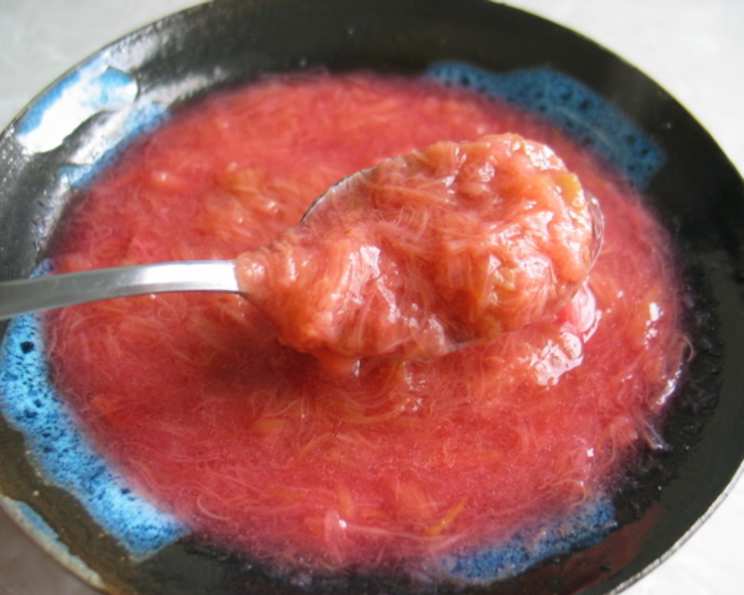
The Tangy Sweetness of Rhubarb Sauce: A Taste of Spring
There’s a certain magic that unfolds in my kitchen when spring arrives, and it often starts with the vibrant, almost electric hue of fresh rhubarb. For me, rhubarb isn’t just a fruit-like vegetable; it’s a herald of warmer days, a nostalgic whisper of childhood summers spent in my grandmother’s garden. The tartness, so bracing and distinctive, always demands a touch of sweetness, and this simple rhubarb sauce is the purest expression of that delightful dance. It’s the kind of sauce that transports you, reminding you that sometimes, the most profound flavors come from the most uncomplicated ingredients.
Recipe Overview
- Prep Time: 10 minutes
- Cook Time: 10 minutes
- Total Time: 20 minutes
- Servings: 8
- Yield: Approximately 3 cups
- Dietary Type: Vegan, Gluten-Free, Dairy-Free
Ingredients
- 4 cups rhubarb, washed and cut into 1-inch pieces
- 1 cup sugar
- Water (approximately 1/2 inch deep in the pan)
Equipment Needed
- Medium saucepan
- Measuring cups
- Knife
- Cutting board
- Stirring spoon
- Bowl for cooling
Instructions
-
Begin by preparing your rhubarb. Wash the stalks thoroughly under cool running water. Trim off any leafy tops and the very bottom root end, as these parts are not typically eaten and can be bitter. Cut the cleaned rhubarb stalks into approximately 1-inch pieces. Aim for consistent sizing so they cook evenly.
-
Transfer the cut rhubarb pieces to a medium saucepan.
-
Add enough water to the saucepan to cover the bottom by about 1/2 inch deep. This amount of water is crucial; too much will dilute the flavor, and too little might cause the rhubarb to scorch before it softens.
-
Place the saucepan over medium heat. Cover the pan with a lid to trap the steam, which will help the rhubarb cook down gently.
-
Allow the rhubarb to simmer until it becomes tender. This should take approximately 10 minutes. You’ll know it’s ready when the pieces have softened considerably and begun to break down. Resist the urge to stir too frequently, as this can make the sauce mushy. A gentle check after about 8 minutes is usually sufficient.
-
Once the rhubarb is tender, remove the saucepan from the heat.
-
Carefully transfer the cooked rhubarb mixture into a bowl. Allow it to cool slightly before proceeding.
-
Once the rhubarb sauce has cooled down enough to handle, place the bowl in the refrigerator. Chill it thoroughly until served cold.
Expert Tips & Tricks
The beauty of this rhubarb sauce lies in its simplicity, but a few chef-driven nuances can elevate it further. When selecting rhubarb, look for stalks that are firm, bright red, and free from blemishes. Thicker stalks tend to be more tender. If your rhubarb is particularly tart, you might be tempted to add more sugar, but try to resist. The inherent tang is what makes rhubarb so special. Instead, consider a tiny pinch of salt – it won’t make the sauce taste salty, but it will amplify the sweetness and complex flavors. For a smoother sauce, you can gently mash some of the rhubarb pieces with your spoon against the side of the bowl as it cools, or for a truly velvety texture, a quick pulse with an immersion blender after cooling (but before chilling) would work wonders.
Serving & Storage Suggestions
This rhubarb sauce is incredibly versatile. Its vibrant color and balanced tart-sweet profile make it a stunning accompaniment to a wide array of dishes. Serve it chilled over vanilla ice cream, yogurt, or panna cotta. It’s also a delightful topping for pancakes, waffles, or French toast. For a more sophisticated dessert, spoon it over angel food cake or cheesecake. It even pairs beautifully with savory dishes, such as pork tenderloin or duck.
Store any leftover rhubarb sauce in an airtight container in the refrigerator. It will keep well for up to 5 days. Reheat gently if you prefer it warm, or enjoy it cold as intended. This sauce does not freeze particularly well, as the texture can become watery upon thawing.
Nutritional Information
Here’s an estimated breakdown of the nutritional content per serving of this simple rhubarb sauce, keeping in mind that exact values can vary based on the specific rhubarb and sugar used.
| Nutrient | Amount per Serving | % Daily Value |
|---|---|---|
| Calories | 109.6 kcal | |
| Total Fat | 0.1 g | 0% |
| Saturated Fat | 0 g | 0% |
| Cholesterol | 0 mg | 0% |
| Sodium | 2.4 mg | 0% |
| Total Carbohydrate | 27.8 g | 9% |
| Dietary Fiber | 1.1 g | 4% |
| Sugars | 25.6 g | 51% |
| Protein | 0.6 g | 1% |
Note: The “Sugars” percentage reflects the significant amount of added sugar, which is typical for balancing rhubarb’s tartness. The Daily Value percentages are based on a 2,000-calorie diet.
Variations & Substitutions
While the classic rhubarb sauce is wonderfully pure, a few variations can introduce exciting new dimensions. For a hint of spice, consider adding a cinnamon stick or a few cardamom pods to the simmering rhubarb; remove them before chilling. A splash of orange juice or lemon zest can brighten the flavor profile even further. If you find the sweetness a touch too intense from the sugar, you could explore using a natural sweetener like maple syrup or honey (though this would alter the “Vegan” dietary claim if honey is used), adjusting the quantity to your taste. A small amount of vanilla extract stirred in after cooking can also add a lovely depth of flavor.
FAQs
Q: Can I use frozen rhubarb for this sauce?
A: Yes, you can use frozen rhubarb. You may need to adjust the cooking time slightly, as frozen rhubarb tends to break down faster. Avoid thawing it completely beforehand; add it directly from the freezer to the saucepan.
Q: My rhubarb sauce is too thin. How can I thicken it?
A: For a thicker sauce, you can gently mash some of the rhubarb pieces against the side of the bowl as it cools, or if you prefer a smoother, thicker consistency, you can use an immersion blender for a quick pulse after cooling but before chilling. Alternatively, you could dissolve 1-2 teaspoons of cornstarch in a tablespoon of cold water and stir it into the sauce during the last minute of simmering, ensuring it comes to a gentle boil to activate the starch.
Q: Is it possible to make this sauce less sweet?
A: Absolutely. The amount of sugar can be adjusted to your personal preference. Start with a smaller amount, such as 3/4 cup, and taste as it cooks, adding more if needed. The natural tartness of the rhubarb is a key characteristic, so aim for a balance that you enjoy.
Q: What’s the difference between rhubarb sauce and rhubarb compote?
A: While the terms are often used interchangeably, compote typically implies larger pieces of fruit that retain some of their shape, while sauce suggests a smoother, more blended consistency where the fruit has broken down more significantly. This recipe leans towards a sauce, but mashing some pieces will create a compote-like texture.
Q: How long does the rhubarb sauce last in the refrigerator?
A: Properly stored in an airtight container, this rhubarb sauce will remain fresh and flavorful in the refrigerator for up to 5 days.
Final Thoughts
This rhubarb sauce is more than just a recipe; it’s an invitation to embrace the fleeting beauty of spring. It’s a testament to how simple ingredients, treated with care, can yield extraordinary results. I encourage you to try this recipe, to savor the vibrant color and the bright, balanced flavor. Perhaps it will become a new springtime tradition in your home, a delightful prelude to warmer days and outdoor gatherings. Enjoy it on its own, or pair it with your favorite springtime desserts and breakfast treats. Happy cooking!