
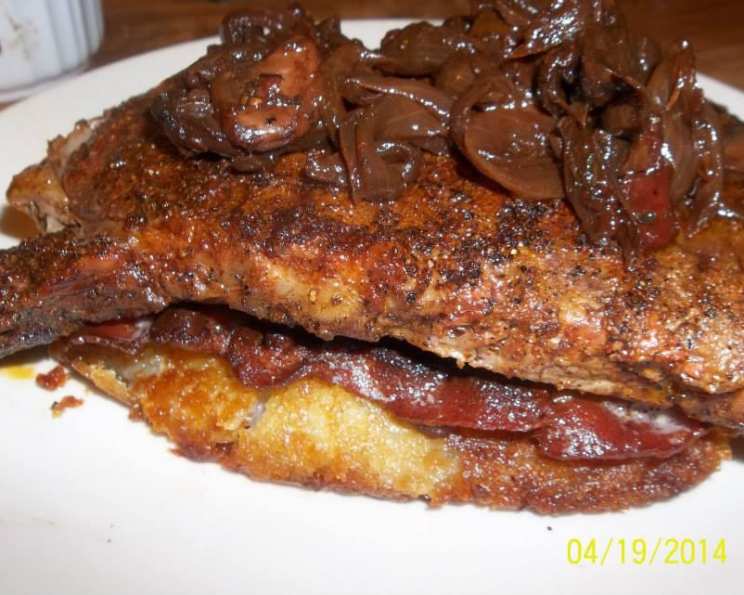
Rib-Eye Steaks: A Symphony of Simplicity and Flavor
There’s a certain primal satisfaction that comes with cooking a truly exceptional steak, and the rib-eye, with its inherent marbling and rich, buttery flavor, is often the undisputed king. I still recall watching a segment on the Food Network years ago, a whirlwind of fiery pans and perfectly seared meat. While the exact details flickered in and out of focus, the core method, its elegant simplicity and promise of a sensational outcome, lodged itself firmly in my culinary memory. Experimentation ensued, a delightful journey of trial and error that ultimately led me to what I believe is the quintessential way to prepare this magnificent cut, resulting in steaks so tender, succulent, and undeniably tasty that they’ve become my benchmark for perfection.
Recipe Overview
- Prep Time: 30 minutes (including resting time for steaks)
- Cook Time: 6 minutes (for medium-rare)
- Total Time: 36 minutes
- Servings: 4
- Yield: 4 steaks
- Dietary Type: Gluten-Free, Dairy-Free, Low-Carb
Ingredients
- 32 ounces boneless rib eye steaks, 1 inch thick (4 steaks)
- 1 tablespoon freshly cracked black pepper, coarse
- 1 teaspoon granulated garlic powder (optional)
- 1 1/2 tablespoons kosher salt or 1 1/2 tablespoons coarse sea salt
Equipment Needed
- Heavy-bottomed skillet (cast iron is ideal)
- Tongs
- Plate for resting steaks
- Aluminum foil
Instructions
-
Begin by removing the rib-eye steaks from the refrigerator and allowing them to sit at room temperature for approximately 30 minutes. This crucial step ensures that the steaks cook more evenly, preventing the outside from overcooking before the inside reaches your desired temperature. Taking the chill out of the meat is a small but significant detail that elevates the final result.
-
Once the steaks have reached room temperature, it’s time for their flavor embrace. Coat both sides generously with the coarse, freshly cracked black pepper and, if using, the granulated garlic powder. Don’t be shy; this seasoning layer is essential for building that complex, craveable crust.
-
Place your heavy-bottomed skillet (a cast iron skillet is highly recommended for its superior heat retention and distribution) over high heat. Allow it to become very hot. This intense heat is key to achieving a beautiful sear.
-
For each steak, sprinkle 3/4 teaspoon of coarse salt directly onto the hot skillet. Let this salt heat up for at least 1 minute. This creates a sizzling bed for your steak, enhancing the sear and infusing it with salty goodness from the very first contact.
-
Carefully place the seasoned steaks onto the hot, salted skillet. Now comes the test of patience: cook for precisely 3 minutes, and during this time, DO NOT DISTURB the steaks in any way. Resist the urge to peek, poke, or move them. Let the heat work its magic to form that glorious crust.
-
Using tongs, turn the steaks over. Again, cook for an additional 3 minutes, maintaining the high heat. Just as before, DO NOT DISTURB the steaks at all during this second side’s cooking period. This strict adherence to undisturbed cooking ensures a consistent, even sear.
-
The total cooking time of 6 minutes (3 minutes per side) is designed to yield a medium-rare steak. It’s imperative to DO NOT OVERCOOK these beauties. The inherent tenderness and flavor of the rib-eye are best preserved when cooked to this perfect temperature.
-
If your preference leans towards a medium doneness, you can extend the cooking time for an additional 30 seconds to 1 minute per side after the initial 6 minutes. Always err on the side of caution and check for doneness as you approach your desired temperature.
-
Once cooked to perfection, remove the steaks from the skillet and immediately transfer them to a clean plate. Cover the steaks loosely with aluminum foil and let them rest for 5 minutes. This resting period is as vital as the cooking itself, allowing the juices to redistribute throughout the meat, ensuring every bite is moist and succulent.
-
After resting, you can, if desired, scrape off any excess coarse pepper and salt from the steaks. Some prefer a cleaner presentation, while others enjoy the textural contrast. Discard the scraped-off seasonings.
-
For the ultimate serving experience, slice the steaks on an angle to a thickness of about 1/4 inch to 3/8 inch. This slicing technique maximizes the surface area exposed to the palate and contributes to the perception of tenderness.
-
Serve your superb rib-eye steaks immediately, perhaps with a dollop of freshly prepared horseradish for a zesty kick.
NOTE: Throughout the cooking process, ensure that the heat on your stovetop is maintained at as HIGH as possible without burning at all times. This may vary depending on your specific cooktop, so pay attention and adjust as needed. Crucially, do not use ordinary table salt; the larger grains of kosher or coarse sea salt are essential for creating the desired crust and flavor profile. This method is also exceptionally well-suited for Beef Tenderloin steaks, and if using a steak thicker than 1 inch, remember to add 1 extra minute per side for medium-rare.
Expert Tips & Tricks
The beauty of this recipe lies in its simplicity, but a few chef-driven insights can elevate it even further. When selecting your rib-eye steaks, look for good, even marbling – those thin veins of fat distributed throughout the meat. This marbling is what renders down during cooking, basting the steak from within and contributing significantly to its juiciness and flavor. For the pepper, invest in a good pepper mill and use whole peppercorns. The difference in aroma and flavor from freshly cracked pepper is remarkable. If you’re concerned about achieving the perfect sear, preheating your skillet thoroughly is paramount. A good test is to flick a drop of water into the pan; if it sizzles and evaporates instantly, your pan is ready.
Serving & Storage Suggestions
These superb rib-eye steaks are best enjoyed immediately after resting and slicing. They pair magnificently with classic steakhouse sides like creamy mashed potatoes, roasted asparagus, or a crisp Caesar salad. If you happen to have leftovers, and I do mean if, cool them completely before storing. Wrap them tightly in plastic wrap or place them in an airtight container. They will keep well in the refrigerator for 2-3 days. Reheating is best done gently to avoid overcooking; a quick sear in a hot skillet or a brief stint under the broiler can revive them. Freezing is not ideal for maintaining the optimal texture of cooked steak, so fresh consumption is highly recommended.
Nutritional Information
Here’s an estimated breakdown of the nutritional content for one serving (approximately 8 ounces of steak, seasoned as per recipe):
| Nutrient | Amount per Serving | % Daily Value |
|---|---|---|
| Calories | 627 kcal | 31% |
| Total Fat | 50 g | 64% |
| Saturated Fat | 20 g | 100% |
| Cholesterol | 155 mg | 52% |
| Sodium | 2744 mg | 119% |
| Total Carbohydrate | 1 g | 0% |
| Dietary Fiber | 0 g | 0% |
| Sugars | 0 g | 0% |
| Protein | 40 g | 80% |
Note: Nutritional values are approximate and can vary based on the specific cut of steak and ingredients used.
Variations & Substitutions
While this recipe is crafted for perfection with rib-eye steaks, the technique can be adapted. Beef Tenderloin as mentioned, is an excellent substitute. For those who prefer a different flavor profile, consider adding a sprig of fresh rosemary or thyme to the skillet during the last minute of cooking on each side, infusing a subtle herbaceous aroma. A touch of butter could be added to the pan just before flipping the steaks for an extra layer of richness, though this would alter the dairy-free aspect. If you find a thick-cut New York strip or porterhouse on sale, this method will still yield exceptional results, remembering to adjust cooking times for thickness.
FAQs
Q: Why is it important to let the steaks sit at room temperature before cooking?
A: Allowing steaks to come to room temperature ensures more even cooking. A cold steak will have a cooked exterior while the interior remains undercooked.
Q: What kind of salt should I use?
A: It’s crucial to use kosher salt or coarse sea salt. The larger grains create a better crust and add texture, whereas fine table salt can dissolve too quickly and make the steak too salty.
Q: How can I tell if my steak is medium-rare without cutting into it?
A: For medium-rare, the internal temperature should be between 130-135°F (54-57°C). You can use an instant-read meat thermometer inserted into the thickest part of the steak, avoiding bone.
Q: Can I use an electric skillet for this recipe?
A: While a stovetop cast iron skillet is ideal, you can use a high-quality electric skillet if it can maintain a very high and consistent heat. Follow the temperature guidelines closely.
Q: My steak is smoking a lot. Is that normal?
A: Some smoking is normal when cooking at high heat, especially with well-marbled cuts like rib-eye. Ensure your ventilation is adequate, but if the smoke is excessive and the pan is burning, reduce the heat slightly.
Final Thoughts
There’s an inherent elegance in mastering a simple, fundamental technique, and this method for cooking rib-eye steaks is a testament to that. It’s a recipe that respects the quality of the ingredient, allowing the natural richness of the beef to shine through, enhanced by a perfect, savory crust. The satisfaction of presenting a plate of perfectly cooked steak, ruby-red and glistening, is unparalleled. I encourage you to try this approach, to embrace the simplicity, and to savor the incredible flavors that result. Gather friends and family, pour a bold Cabernet Sauvignon, and let this recipe become a celebrated staple in your culinary repertoire. The journey from refrigerator to plate is swift, but the memory of that first, superb bite will linger long after.