
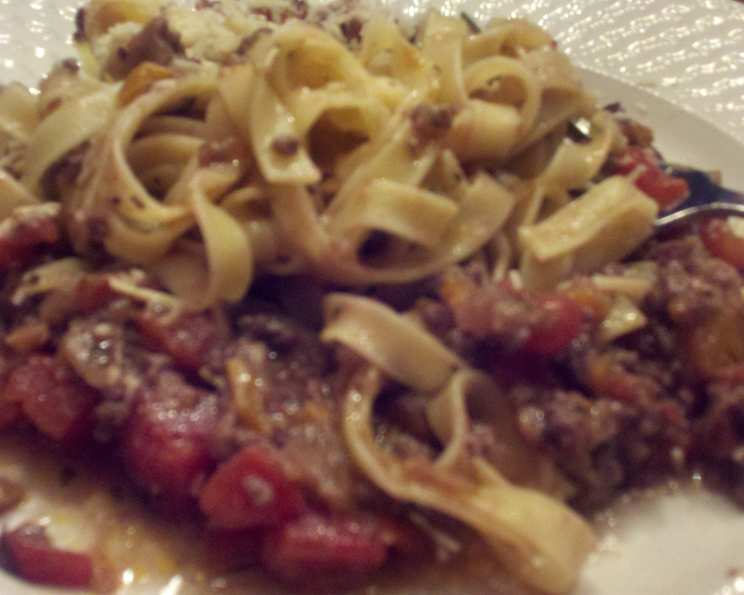
Ricardo’s Timeless Bolognese: A Taste of True Comfort
There are certain dishes that, with just one whiff, transport you back in time. For me, that aroma is the rich, slow-simmered perfume of a classic Bolognese sauce. I remember Ricardo, a dear friend and a remarkable home cook, meticulously stirring his pot on a lazy Sunday afternoon. The kitchen, usually a whirlwind of activity, was hushed, filled only with the gentle bubbling of tomatoes and the deepening fragrance of meat and wine. His Bolognese wasn’t just a meal; it was an event, a lesson in patience and the profound satisfaction of creating something truly special, a memory he generously shared, and one I’ve cherished and recreated countless times since.
Recipe Overview
- Prep Time: 20 minutes
- Cook Time: 2 hours 15 minutes
- Total Time: 2 hours 35 minutes
- Servings: 8
- Yield: Approximately 8 cups
- Dietary Type: Classic Italian Meat Sauce
Ingredients
This is the foundation of a truly magnificent Bolognese, so don’t shy away from sourcing the best ingredients you can find.
- 50 grams Pancetta, finely chopped
- 1/4 cup Olive Oil
- 2 medium Onions, finely chopped
- 2 medium Carrots, diced
- 2 Celery Ribs, diced
- 4 Garlic Cloves, finely chopped
- 1 kg Lean Ground Beef
- 1 1/2 cups Dry Red Wine (such as Chianti or Sangiovese)
- 1 cup Whole Milk
- 2 cans (796 ml each) Plum Tomatoes, preferably San Marzano, crushed by hand
- 1 tablespoon Dried Oregano
- 1 tablespoon Dried Basil
- 1 Bay Leaf
- Freshly grated Nutmeg, to taste
- Salt and freshly ground Black Pepper, to taste
- Spaghetti, cooked al dente, for serving
Equipment Needed
While this recipe doesn’t demand specialized equipment, a few key tools will make the process smoother:
- A large, heavy-bottomed saucepan or Dutch oven
- A good quality chef’s knife and cutting board
- A wooden spoon or sturdy spatula for stirring
- A measuring cup and spoons
The Art of Building Flavor: Step-by-Step Instructions
Ricardo’s Bolognese is a testament to the power of slow cooking and layering flavors. The process is as rewarding as the final dish.
-
Render the Pancetta: Begin by placing your large, heavy-bottomed saucepan or Dutch oven over medium heat. Add the finely chopped pancetta. Allow it to gently render its fat for about 5-7 minutes, until it becomes crispy and golden brown. This crucial first step infuses the cooking oil with an incredible depth of flavor. Remove the crispy pancetta with a slotted spoon and set it aside on a paper towel-lined plate, reserving the rendered fat in the pan.
-
Sauté the Soffritto: To the flavorful pancetta fat in the pan, add the 1/4 cup of olive oil. Once shimmering, introduce the finely chopped onions, diced carrots, and diced celery. This aromatic trio, known as the soffritto, is the heart of many Italian sauces. Cook this mixture, stirring occasionally, for about 8-10 minutes, until the vegetables have softened and the onions are translucent. This low and slow cooking process sweetens the vegetables and builds a foundational layer of flavor.
-
Infuse with Garlic: Stir in the finely chopped garlic cloves and cook for another minute until fragrant. Be careful not to burn the garlic, as it can turn bitter.
-
Brown the Beef: Now, add the 1 kg of lean ground beef to the pan. Break up the meat with your spoon and increase the heat to high. Cook, stirring frequently, until the cooking juices have evaporated and the beef is nicely browned. This browning is essential for developing rich, savory notes in the sauce.
-
Deglaze with Wine: Pour in the 1 1/2 cups of dry red wine. Scrape the bottom of the pan with your spoon to loosen any browned bits, as these hold a tremendous amount of flavor. Let the wine reduce by half, which will take approximately 5-7 minutes. This step not only adds complexity but also cooks off the harshness of the alcohol.
-
Introduce the Milk: Next, add the 1 cup of whole milk. Allow it to simmer slowly for about 5 minutes. The milk helps to tenderize the meat and adds a subtle richness to the sauce.
-
The Slow Simmer Begins: Add the 2 cans (796 ml each) of plum tomatoes (crush them by hand as you add them for a better texture), the 1 tablespoon of dried oregano, the 1 tablespoon of dried basil, and the 1 bay leaf. Stir everything to combine. Season generously with salt and freshly ground black pepper. Grate in a pinch of nutmeg – this is a secret weapon that enhances the savory notes without being overtly present.
-
The Long Haul: Bring the sauce to a gentle simmer. Reduce the heat to low, cover the pot loosely (leaving a slight gap for steam to escape), and continue cooking for at least 2 hours. Stir occasionally to prevent sticking. The longer it simmers, the more the flavors will meld and deepen. The sauce should become rich, thick, and incredibly aromatic.
-
Finishing Touches: Before serving, remove the bay leaf. Taste the sauce and adjust seasoning with salt and pepper as needed. If the sauce is too thick, you can add a splash of pasta water or a little more milk to loosen it.
-
Serve: Ladle the rich, slow-cooked Bolognese generously over spaghetti cooked al dente. Garnish with freshly grated Parmesan cheese, if desired.
Expert Tips & Tricks
- The Soffritto is Key: Don’t rush the cooking of the onions, carrots, and celery. This foundational flavor base is critical for a truly authentic Bolognese.
- Quality Tomatoes Matter: Using good quality canned plum tomatoes, particularly San Marzano varieties, makes a noticeable difference in the final flavor. Crushing them by hand also provides a superior texture to pre-crushed or puréed tomatoes.
- Patience is a Virtue: This sauce benefits immensely from a long, slow simmer. Resist the urge to rush the cooking process. The deeper it cooks, the more profound the flavor.
- Make Ahead Magic: Bolognese sauce is a fantastic make-ahead dish. In fact, it often tastes even better the next day as the flavors have had more time to meld. Store it in an airtight container in the refrigerator for up to 3-4 days.
- Freezing for Later: Bolognese freezes beautifully. Portion it into freezer-safe containers or bags, leaving a little headspace for expansion. It will keep in the freezer for up to 3 months. Thaw overnight in the refrigerator before reheating.
Serving & Storage Suggestions
Ricardo always insisted that Bolognese was best served with a good quality spaghetti, cooked just past al dente, so it holds up to the hearty sauce. A dusting of freshly grated Parmesan cheese is the classic accompaniment. Leftovers can be stored in an airtight container in the refrigerator for up to 3-4 days. To reheat, gently warm the sauce on the stovetop over low heat, stirring occasionally. You can also reheat individual portions in the microwave. If the sauce has thickened considerably during storage, add a splash of water or milk to loosen it to your desired consistency.
Nutritional Information (Estimated per serving, based on 8 servings)
| Nutrient | Amount per Serving | % Daily Value |
|---|---|---|
| Calories | 386.3 kcal | |
| Total Fat | 20.8 g | 31% |
| Saturated Fat | 6.8 g | 33% |
| Cholesterol | 85.5 mg | 28% |
| Sodium | 127.2 mg | 5% |
| Total Carbohydrate | 13.6 g | 4% |
| Dietary Fiber | 3.1 g | 12% |
| Sugars | 6.3 g | 25% |
| Protein | 28.1 g | 56% |
Note: Nutritional information is an estimate and can vary based on specific ingredients and portion sizes used.
Variations & Substitutions
While Ricardo’s recipe is a classic for a reason, there’s always room for personalization.
- For a Richer Sauce: Some cooks like to add a splash of heavy cream or mascarpone cheese in the last 30 minutes of simmering for an even more luxurious texture.
- A Touch of Spice: For those who enjoy a hint of heat, a pinch of red pepper flakes can be added with the garlic.
- Vegetarian Option: While this is a meat sauce, a hearty vegetarian Bolognese can be made by substituting the ground beef with finely chopped mushrooms, lentils, or a combination of finely diced root vegetables. You would still follow the initial steps of rendering pancetta (or using extra olive oil) and building the soffritto.
- Different Pasta Shapes: While spaghetti is traditional, this Bolognese is also wonderful with tagliatelle, pappardelle, or rigatoni.
FAQs (Frequently Asked Questions)
Q: Can I use pre-ground garlic instead of fresh?
A: While fresh garlic offers the best flavor, you can substitute with about 1 teaspoon of pre-minced garlic per clove, added in the last minute of sautéing the vegetables.
Q: My sauce seems too thin after 2 hours. What can I do?
A: If your sauce is thinner than desired, you can continue to simmer it uncovered over low heat, stirring more frequently, until it reaches your preferred consistency.
Q: Can I make this sauce with ground pork or a mixture of meats?
A: Absolutely. A combination of ground beef, pork, and veal can create an even more complex and flavorful Bolognese.
Q: How long can I keep the rendered pancetta crisp?
A: The rendered pancetta is best enjoyed fresh as a topping for the finished dish, as it can lose its crispness if stored for too long.
Q: Is it really necessary to add milk to Bolognese sauce?
A: Yes, the milk is a traditional component that helps to tenderize the meat and adds a subtle richness and a smoother texture to the sauce.
A Taste of Tradition
Ricardo’s Bolognese is more than just a recipe; it’s an invitation to slow down, savor the process, and create a dish that nourishes both the body and the soul. The aroma that fills your kitchen as this sauce simmers is a promise of the comforting, deeply satisfying meal to come. Gather your ingredients, embrace the gentle simmer, and let the magic unfold. This is a sauce that will undoubtedly become a cherished staple in your own culinary repertoire, just as it has in mine. Buon appetito!