
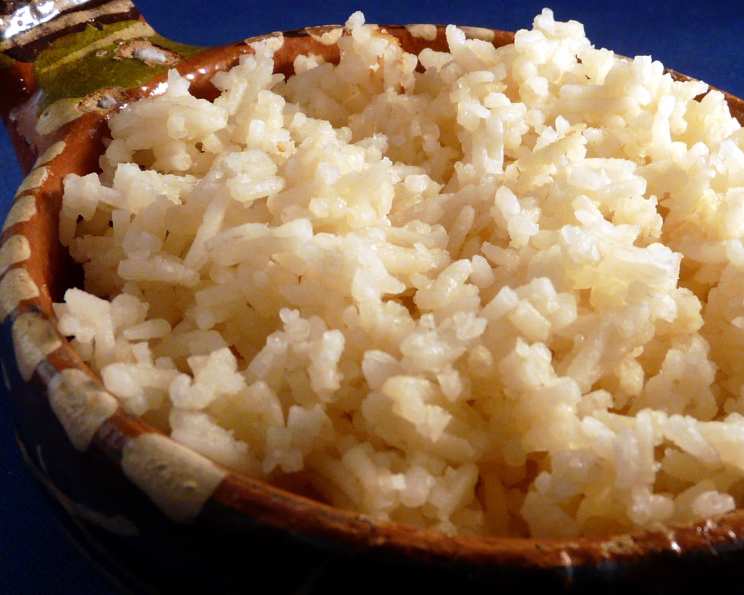
Wali Wa Nazi: A Taste of the Swahili Coast
The scent of coconut milk simmering, infused with the subtle fragrance of grains – it’s a memory that takes me back to bustling coastal markets, where the air hums with a gentle energy and the promise of simple, profound flavors. I recall a particular afternoon in Zanzibar, the humid air clinging to my skin, when I was offered a small bowl of what locals called “Wali Wa Nazi.” It wasn’t a grand, elaborate dish, but this humble rice, cooked to perfection in rich coconut milk and water, was a revelation. Its creamy texture and delicate sweetness, served alongside a vibrant fish curry, spoke volumes about the culinary wisdom of the Swahili coast – how to transform basic ingredients into something truly extraordinary. This dish, a starchy staple that forms the comforting backbone of many East African meals, has stayed with me, a testament to the power of simple, honest cooking.
Recipe Overview
- Prep Time: 10 minutes
- Cook Time: 30 minutes
- Total Time: 40 minutes
- Servings: 4
- Yield: Approximately 6 cups
- Dietary Type: Vegan, Gluten-Free, Dairy-Free
Ingredients
- 2 cups rice
- 2 cups coconut milk
- 2 ¾ cups water
- 1 teaspoon salt
Equipment Needed
- Medium saucepan with a tight-fitting lid
- Measuring cups and spoons
- Optional: Rice cooker
Instructions
-
Begin by meticulously cleaning and washing the rice. This crucial step removes excess starch, preventing the rice from becoming clumpy and gummy, ensuring a lighter, fluffier final texture. You can do this by placing the rice in a fine-mesh sieve and rinsing it under cool running water until the water runs clear, or by rinsing it in a bowl of water, gently swirling the rice with your hand, then draining and repeating until the water is no longer cloudy.
-
In a medium saucepan, combine the coconut milk and water. Place the saucepan over medium-high heat and bring the liquid mixture to a rolling boil.
-
Once the coconut milk and water mixture reaches a boil, carefully pour in the washed rice. Stir it gently to ensure the grains are evenly distributed within the liquid.
-
Next, add the salt to the saucepan. Stir again briefly to incorporate the salt evenly throughout the rice and liquid mixture.
-
Reduce the heat to medium and allow the rice to cook. Keep a watchful eye on the pot as the rice begins to absorb the liquid and cook down.
-
As the liquid level recedes and the rice appears nearly dry on the surface, it’s time to take the next step. Cover the saucepan well with its tight-fitting lid. This traps the steam, which will continue to cook the rice gently.
-
Turn the heat down to its lowest setting, just enough to maintain a gentle simmer. Leave the rice to cook for 10 minutes. This final steaming period is essential for perfectly tender rice.
-
If you are using a rice cooker, the process is even simpler. Put all of the ingredients – the rice, coconut milk, water, and salt – directly into the rice cooker pot and turn it on. Follow your rice cooker’s instructions for its cooking cycle.
-
Throughout the cooking process, particularly in the latter stages, watch the rice closely to make sure it does not burn on the bottom of the saucepan. If you notice it starting to stick or dry out excessively before it’s fully cooked, you can add a little more water (a tablespoon or two at a time) to prevent it from burning and to ensure it finishes cooking to a tender consistency.
Expert Tips & Tricks
The beauty of Wali Wa Nazi lies in its simplicity, but a few seasoned touches can elevate it from good to sublime. For an extra layer of richness and a more pronounced coconut flavor, consider using full-fat canned coconut milk. If you find your rice cooker tends to run hot, the water-adding technique during the stovetop method can be adapted by carefully opening the lid briefly and adding a splash of hot water if needed. When it comes to washing the rice, don’t underestimate its importance; it’s the secret to avoiding that dreaded gluey texture. And for those who love an aromatic touch, a pinch of ground cardamom or a small cinnamon stick added with the liquids can impart a wonderfully fragrant nuance without overpowering the delicate coconut.
Serving & Storage Suggestions
Wali Wa Nazi is at its most delightful served warm, its creamy texture a perfect foil for a myriad of dishes. It’s traditionally paired with flavorful curries, stews, or grilled meats and fish. For a beautiful presentation, scoop the fluffy rice into a serving bowl and garnish with a few toasted coconut flakes or a sprinkle of fresh cilantro. Leftovers can be stored in an airtight container in the refrigerator for up to 3 days. When reheating, it’s best to add a tablespoon or two of water or coconut milk to the rice before gently warming it on the stovetop over low heat or in the microwave. This helps to restore its moisture and creamy consistency. Avoid overcooking when reheating, as this can lead to a mushy texture.
Nutritional Information
| Nutrient | Amount per Serving | % Daily Value |
|---|---|---|
| Calories | 350 kcal | 18% |
| Total Fat | 15g | 23% |
| Saturated Fat | 13g | 65% |
| Cholesterol | 0mg | 0% |
| Sodium | 320mg | 14% |
| Total Carbohydrate | 45g | 16% |
| Dietary Fiber | 2g | 7% |
| Sugars | 5g | 10% |
| Protein | 4g | 8% |
Note: Nutritional values are estimates and can vary based on specific ingredients used.
Variations & Substitutions
While the classic Wali Wa Nazi is a masterpiece in its own right, there’s always room for creative exploration. For a slightly nutty undertone and enhanced nutritional profile, you could experiment with a blend of 1 ½ cups of white rice and ½ cup of basmati or jasmine rice. If you desire a richer, more decadent coconut flavor, you can substitute some or all of the water with additional coconut milk, keeping in mind that this will also increase the fat content. For a touch of sweetness, a tablespoon of sugar or a drizzle of honey can be added during the cooking process, though this moves it slightly away from its traditional savory staple role. A pinch of turmeric, added with the liquids, can impart a beautiful golden hue and a subtle earthy flavor.
FAQs
Q: Why is it important to wash the rice before cooking?
A: Washing the rice removes excess surface starch, which prevents the grains from clumping together and results in a lighter, fluffier texture.
Q: Can I use light coconut milk instead of full-fat?
A: Yes, you can, but full-fat coconut milk will yield a richer, creamier result and a more pronounced coconut flavor.
Q: My rice seems to be burning at the bottom. What should I do?
A: This indicates the heat is too high. Reduce the heat to the lowest setting and ensure the lid is fitted tightly. If it persists, add a tablespoon or two of hot water and stir gently.
Q: Can I make Wali Wa Nazi ahead of time?
A: Yes, it can be made ahead and stored in the refrigerator. Reheat gently with a little added liquid to restore its texture.
Q: What kind of rice is best for this recipe?
A: Medium-grain white rice is ideal for its ability to absorb liquid without becoming mushy. Long-grain rice like basmati or jasmine can also be used for a slightly different texture.
Final Thoughts
Wali Wa Nazi is more than just a side dish; it’s a comforting embrace, a whisper of sun-drenched shores and vibrant culinary traditions. It’s the kind of food that grounds you, that nourishes both body and soul with its inherent simplicity and wholesome goodness. I encourage you to welcome this Swahili classic into your kitchen. Taste its subtle sweetness, appreciate its creamy embrace, and imagine the warmth of the coast it carries. Share it with loved ones, perhaps alongside a fragrant seafood stew or a hearty lentil curry, and savor the journey it takes you on. I’d be delighted to hear how your Wali Wa Nazi turns out – share your experiences and any delicious pairings you discover!