
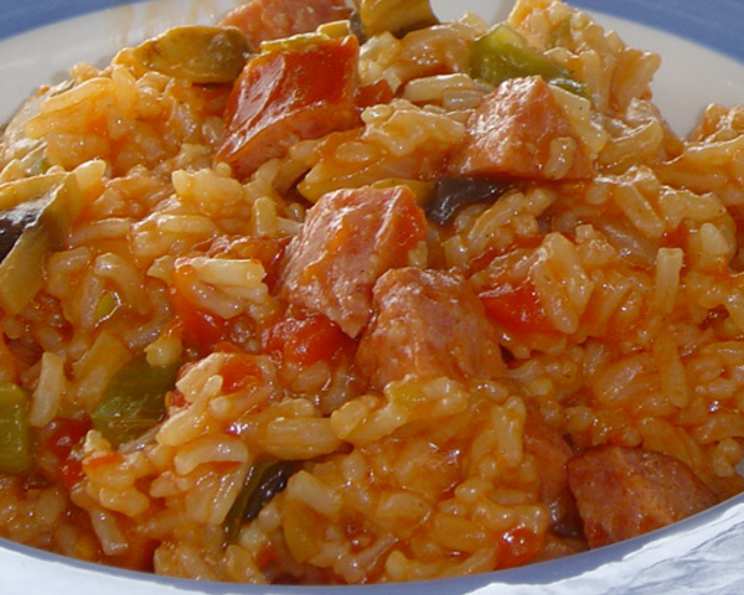
Effortless Flavor: My Go-To Rice Cooker Jambalaya
There’s a certain magic in a dish that can transport you, and for me, jambalaya is one of those culinary conjurors. I remember my first taste of authentic jambalaya, a vibrant explosion of smoky sausage, tender shrimp, and rice infused with a symphony of Creole spices, served in a bustling French Quarter courtyard. But life, as it often does, got busy, and recreating that complex magic felt like a daunting task, especially the part where you try to coax perfectly cooked rice from a stovetop pot without scorching the bottom. Then, one day, a lightbulb flickered: could the humble rice cooker, that modern kitchen workhorse, simplify this beloved classic? The answer, my friends, was a resounding yes, and this recipe is the delicious result.
Recipe Overview
- Prep Time: 20 minutes
- Cook Time: 30-40 minutes (including rice cooker rest time)
- Total Time: 50-60 minutes
- Servings: 4-6
- Yield: Approximately 6 cups cooked jambalaya
- Dietary Type: Adaptable (see variations)
Ingredients
To create this symphony of flavors with minimal fuss, you’ll need these essential components:
- 2 teaspoons butter or margarine
- 1/2 small onion, diced
- 1/2 green bell pepper, cut into chunks
- 1 teaspoon minced garlic clove
- 1 cup mushroom pieces (optional, but highly recommended for earthy depth)
- 1 1/2 cups white rice (I personally love jasmine rice for its fragrant aroma and tender texture, but any long-grain white rice will perform beautifully)
- 1 (15-ounce) can diced tomatoes, undrained
- 3 cups chicken broth (or vegetable broth for a vegetarian option)
- 1/2 lb kielbasa, cut into small pieces, or 1/2 lb fully cooked shrimp (or a combination of both!)
- 1/4 teaspoon cayenne pepper, or to taste (adjust this fiery kick to your preference)
Equipment Needed
The beauty of this recipe lies in its simplicity, requiring only a few common kitchen tools:
- Rice Cooker (at least a 6-cup capacity is recommended to ensure all ingredients fit comfortably)
- Medium frying pan
- Cutting board and knife
- Measuring cups and spoons
- Stirring spoon
Instructions
This recipe is designed to be straightforward, leveraging your rice cooker for perfect results every time.
-
Prepare the Aromatics: If you are using sausage, begin by cutting it into small, bite-sized pieces. In a medium frying pan, melt the butter or margarine over medium heat. Add the diced onion, green bell pepper chunks, minced garlic, and mushroom pieces (if using). Sauté these ingredients for 5 to 10 minutes, or until the onions have become beautifully translucent and the vegetables have softened slightly. If you’re adding sausage, stir it into the frying pan with the vegetables during the last 1 to 2 minutes of sautéing, just to begin rendering its flavor.
-
Assemble the Jambalaya: Now, it’s time to bring everything together in your rice cooker pot. Add the white rice, the cooked sausage (if using) or the fully cooked shrimp, the sautéed vegetables from the frying pan, the entire can of diced tomatoes (including their juices), and the chicken broth. Finally, sprinkle in the cayenne pepper to your liking.
-
Stir and Distribute: Give everything a gentle but thorough stir. The goal here is to evenly distribute all the ingredients within the rice cooker pot. Ensure the rice is submerged in the liquid and that no large clumps of ingredients are stuck to the bottom.
-
Cook to Perfection: Close the lid of your rice cooker and set it to the standard cook setting. The cooking time will vary slightly depending on your specific rice cooker model, but it will typically take around 20 to 25 minutes.
-
Rest and Infuse: Once the rice cooker signals that the cooking cycle is complete, resist the urge to open it immediately! Let the jambalaya sit undisturbed for an additional 10 minutes after cooking is finished. This crucial resting period allows the rice to absorb any remaining moisture, firm up perfectly, and for the flavors to meld together beautifully.
-
Serve and Enjoy: After the resting period, open the rice cooker and stir the jambalaya one last time to ensure everything is well combined and fluffy. Serve hot and savor the rich, satisfying flavors of your homemade jambalaya.
Expert Tips & Tricks
As a chef, I always look for ways to elevate a dish, even a simple one. Here are a few tricks to make your rice cooker jambalaya even more exceptional:
- The Mirepoix Foundation: While the recipe calls for sautéing the aromatics, consider a true Creole “trinity” of finely diced onion, green bell pepper, and celery. Adding finely chopped celery along with the onion and bell pepper will provide another layer of aromatic complexity.
- Spice It Up (or Down): The cayenne pepper is your primary heat source here. For a deeper, more nuanced spice, consider adding a pinch of smoked paprika or a dash of hot sauce along with the cayenne. If you prefer milder heat, simply reduce or omit the cayenne.
- Protein Powerhouse: The beauty of this recipe is its adaptability. If you’re a fan of both sausage and shrimp, use half a pound of each for a delightful surf-and-turf experience. You can also substitute other cooked proteins like diced chicken breast or andouille sausage for a classic taste.
- Broth Brilliance: For an even richer flavor, consider using a good quality low-sodium chicken broth or even a homemade stock. The quality of your broth significantly impacts the final taste of the jambalaya.
- Crisper Veggies: If you prefer your vegetables with a bit more bite, you can skip the sautéing step entirely. Simply add the raw diced onion, green bell pepper, and mushrooms directly to the rice cooker pot with the other ingredients. The cooking process will soften them, but they won’t achieve the same tenderness as the sautéed version.
Serving & Storage Suggestions
Jambalaya is a complete meal in itself, but it pairs wonderfully with a simple green salad tossed with a light vinaigrette to offer a refreshing contrast. For a more robust accompaniment, consider some crusty French bread for soaking up any extra sauce.
Leftovers: Leftover jambalaya can be stored in an airtight container in the refrigerator for up to 3 to 4 days. To reheat, you can gently warm it in a saucepan over low heat, adding a splash of chicken broth or water if it seems a bit dry. Alternatively, you can reheat individual portions in the microwave. While freezing jambalaya is possible, the texture of the rice might become slightly softer upon thawing. If you do choose to freeze it, ensure it’s in a freezer-safe container and consume within 2 to 3 months for best quality.
Nutritional Information
While individual ingredients can vary, here’s an approximate nutritional breakdown for a serving of this delicious rice cooker jambalaya:
| Nutrient | Amount per Serving | % Daily Value |
|---|---|---|
| Calories | 504.4 kcal | |
| Calories from Fat | 171 g | |
| Total Fat | 19 g | 29% |
| Saturated Fat | 6.8 g | 34% |
| Cholesterol | 42.4 mg | 14% |
| Sodium | 1099.7 mg | 45% |
| Total Carbohydrate | 64.8 g | 21% |
| Dietary Fiber | 3.6 g | 14% |
| Sugars | 5 g | 19% |
| Protein | 16.6 g | 33% |
Note: Nutritional values are estimates and can vary based on specific ingredients and brands used.
Variations & Substitutions
The beauty of this recipe lies in its inherent flexibility. Feel free to explore these variations:
- Vegetarian Delight: For a completely vegetarian jambalaya, omit the kielbasa and shrimp. Instead, increase the amount of mushrooms and consider adding other hearty vegetables like diced zucchini, corn, or black beans. Use vegetable broth instead of chicken broth.
- Seafood Extravaganza: If you love seafood, feel free to add other favorites like chopped mussels, clams, or scallops during the last 5-10 minutes of the rice cooker’s cooking cycle, allowing them to steam open.
- Tomato-Free Twist: For those who aren’t fans of diced tomatoes, you can increase the chicken broth to 4 cups and use a 5-ounce can of tomato paste in place of the diced tomatoes. This will create a richer, more concentrated tomato flavor without the chunks.
FAQs (Frequently Asked Questions)
Q: My rice cooker is smaller than 6 cups. Can I still make this recipe?
A: If your rice cooker is smaller than 6 cups, you may need to halve the recipe to ensure all ingredients fit comfortably without overflowing. You can also cook in batches if necessary.
Q: Can I use brown rice instead of white rice?
A: While this recipe is optimized for white rice, you can try using brown rice. Be aware that brown rice has a longer cooking time and absorbs more liquid. You might need to increase the liquid slightly and adjust the cooking time according to your rice cooker’s brown rice setting, if available.
Q: How do I prevent the rice from sticking to the bottom of the rice cooker?
A: Ensuring the ingredients are well-stirred and that the rice is submerged in liquid before cooking usually prevents sticking. Some rice cookers also have non-stick coatings that help. If you notice a slight sticking after cooking, the resting period often loosens it.
Q: Can I add more vegetables to this jambalaya?
A: Absolutely! This recipe is very forgiving. Feel free to add other vegetables like chopped celery, corn kernels, peas, or diced carrots. Add them with the other vegetables during the sautéing stage or directly to the rice cooker.
Q: Is it okay to use pre-cooked sausage?
A: Yes, if you use pre-cooked sausage like fully cooked kielbasa, you can simply add it directly to the rice cooker along with the other ingredients. If you’re using raw sausage, it’s best to sauté it briefly to render some of the fat and release its flavor before adding it to the pot.
A Taste of Home, Anywhere
This rice cooker jambalaya is more than just a recipe; it’s a testament to the fact that incredible flavor doesn’t always require hours of standing over a hot stove. It’s a dish that brings a touch of New Orleans sunshine to your table, with minimal fuss and maximum satisfaction. I encourage you to give it a try, experiment with your favorite proteins and vegetables, and discover the joy of a perfectly cooked, deeply flavorful jambalaya made effortlessly in your trusty rice cooker. It’s a culinary hug in a bowl, and I can’t wait for you to experience it.