
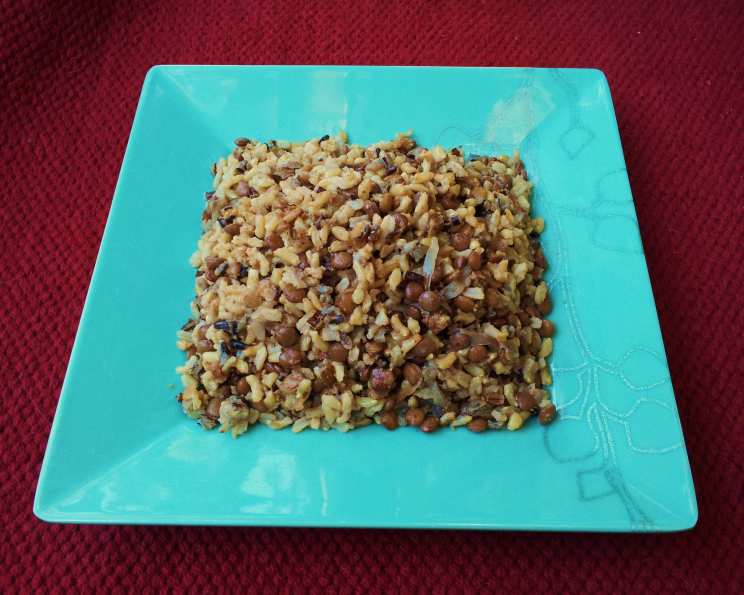
A Symphony of Grains and Legumes: Rice Cooker Pilaf with Brown Rice, Lentils, and Wild Rice
There are those weeknights when the clock seems to tick at an impossible speed, and the idea of elaborate cooking feels like a distant dream. I remember one such evening, staring into my pantry, a familiar pang of hunger mingling with a desperate need for something wholesome and satisfying. I had a hodgepodge of grains and legumes staring back at me, but no grand plan. Then, the humble rice cooker, a silent workhorse in my kitchen, beckoned. With a bit of improvisation, a pinch of spice, and a dash of pantry magic, this pilaf was born – a harmonious blend of earthy brown rice, hearty lentils, and the unique, almost mystical flavor of wild rice, all brought together with the comforting aroma of cardamom. It’s become a go-to, a testament to how simple ingredients, prepared thoughtfully, can create something truly special.
Recipe Overview
- Prep Time: 15 minutes
- Cook Time: 45 minutes (plus optional 5-10 minutes on “warm”)
- Total Time: Approximately 50-55 minutes
- Servings: 4-6
- Yield: Approximately 3 1/2 cups
- Dietary Type: Vegan, Dairy-Free, Gluten-Free
Ingredients
The beauty of this pilaf lies in its simplicity and the incredible synergy of its components. Each ingredient plays a crucial role in building layers of texture and flavor.
- 1⁄2 onion, finely chopped
- 1 1⁄8 cups brown rice
- 1⁄4 cup lentils (any variety will work, though green or brown lentils hold their shape best)
- 1⁄8 cup wild rice
- 4 cups water
- 1 teaspoon ground cardamom (this is the star spice that elevates this dish)
- 3 teaspoons chicken bouillon granules (ensure they are gluten-free if needed; vegetable bouillon granules can also be used for a vegan option)
- Fresh ground pepper, to taste
Equipment Needed
While this recipe is designed for a rice cooker, a few basic kitchen tools will make the preparation seamless:
- Rice cooker (with inner pot)
- Sieve or fine-mesh colander
- Measuring cups and spoons
- Knife and cutting board (for the onion)
- Stirring spoon
Instructions
This pilaf is a testament to the magic of set-it-and-forget-it cooking, thanks to the trusty rice cooker. The process is straightforward, allowing you to attend to other tasks while the flavors meld and the grains cook to perfection.
-
Begin by carefully removing the inner pot from your rice cooker. This ensures you have a stable surface for rinsing and mixing the ingredients.
-
Next, place the brown rice, lentils, and wild rice into a sieve or a fine-mesh colander. Rinse them thoroughly under cool running water. This step is crucial for removing any excess starch, which can make the pilaf gummy, and also washes away any dust or debris. Rinse until the water runs clear.
-
Now, add the rinsed rices and lentils back into the inner pot of the rice cooker.
-
To this, add the finely chopped onion. The onion will soften and release its sweet aromatics as it cooks, infusing the entire dish with depth.
-
Pour in the 4 cups of water. This is the liquid base that will cook the grains and legumes to perfection.
-
Next, add the ground cardamom and the 3 teaspoons of chicken bouillon granules. Don’t forget to season generously with fresh ground pepper to your liking.
-
Stir all the ingredients together gently but thoroughly. Ensure that the bouillon granules are well distributed and that no rice or lentils are clumped at the bottom.
-
Return the inner pot to the rice cooker. Make sure it is seated correctly.
-
Close the lid and press the “cook” button on your rice cooker. The appliance will take care of the rest.
-
The pilaf should be sufficiently cooked after approximately 45 minutes, at which point your rice cooker will likely switch to the “warm” setting. However, cooking times can vary depending on the make and model of your rice cooker. If you find that the pilaf is not yet tender and the liquid is mostly absorbed, re-close the rice cooker lid and keep it on the “warm” setting for an additional 5-10 minutes. This allows any residual moisture to steam the grains and lentils until they reach your desired tenderness.
Expert Tips & Tricks
As a chef, I’m always looking for ways to enhance a dish, even a simple one. Here are a few insights to elevate your Rice Cooker Pilaf:
- The Rinse is Key: I cannot stress enough the importance of rinsing your grains and lentils. It’s not just about cleanliness; it’s about texture. A good rinse prevents a mushy pilaf, allowing each grain and lentil to retain its individual character.
- Cardamom’s Charm: Cardamom is a magical spice. If you’re new to it, start with the recommended amount, but don’t be afraid to experiment with a little more or a little less in future batches. Its floral, slightly citrusy notes are truly unique and pair beautifully with rice and lentils. If you truly don’t have it, the pilaf will still be delicious, but it will lack that distinctive fragrant warmth.
- Bouillon Brilliance: The type of bouillon you use will significantly impact the final flavor. Chicken bouillon provides a savory depth, but vegetable bouillon is an excellent choice for a fully vegan dish and often offers a brighter, more herbaceous note. Always check the sodium content of your bouillon; you might need to adjust the added salt accordingly.
- Onion Sweetness: Chopping the onion finely ensures it disperses evenly and softens beautifully, contributing sweetness without overwhelming the dish. If you prefer a milder onion flavor, you can rinse the chopped onion under cold water for a minute after chopping and then drain it very well before adding it to the pot.
- The “Warm” Finish: The “warm” setting is your best friend for ensuring a perfectly tender pilaf. It’s a gentle heat that allows the grains to finish cooking in their own steam, leading to a much more pleasant texture than if you were to simply serve it right after the “cook” cycle finishes.
Serving & Storage Suggestions
This pilaf is incredibly versatile and makes a fantastic side dish or a light, nourishing main course.
- Serving: Fluff the pilaf gently with a fork before serving to separate the grains. It’s wonderful served alongside grilled or baked chicken, fish, or as a hearty vegetarian main course topped with a dollop of yogurt or a sprinkle of fresh herbs like parsley or cilantro. A squeeze of fresh lemon juice just before serving can brighten the flavors beautifully.
- Storage: Once cooled, transfer any leftovers to an airtight container. This pilaf will keep well in the refrigerator for 3 to 4 days.
- Reheating: To reheat, you can gently warm it in a saucepan over low heat with a splash of water or broth, or microwave it until heated through. Be mindful not to overcook it, as it can become mushy.
Nutritional Information
This pilaf is a good source of fiber and plant-based protein, making it a satisfying and wholesome choice.
| Nutrient | Amount per Serving | % Daily Value |
|---|---|---|
| Calories | 235.8 kcal | |
| Calories from Fat | 7% | |
| Total Fat | 1.9 g | 2% |
| Saturated Fat | 0.4 g | 1% |
| Cholesterol | 0.2 mg | 0% |
| Sodium | 370.1 mg | 15% |
| Total Carbohydrate | 48.3 g | 16% |
| Dietary Fiber | 3.5 g | 13% |
| Sugars | 1.6 g | 6% |
| Protein | 6.4 g | 12% |
Note: Nutritional information is an estimate and can vary based on specific ingredients and portion sizes.
Variations & Substitutions
While this recipe is fantastic as is, it also offers a wonderful canvas for customization.
- Grain Swap: If you can’t find wild rice, or if it’s not your preference, you can substitute it with more brown rice, or even add a small amount of quinoa for a different nutty flavor and texture.
- Lentil Love: While brown or green lentils are recommended for their texture, red lentils can be used, though they tend to break down more and will create a softer, more porridge-like consistency.
- Aromatic Adventures: Feel free to add other aromatics along with the onion, such as a finely minced garlic clove or a pinch of dried thyme, for an extra layer of flavor.
- Spice it Up: For a touch of heat, a pinch of red pepper flakes can be added along with the cardamom.
- Nutty Crunch: For added texture and healthy fats, stir in a handful of toasted slivered almonds or chopped walnuts just before serving.
FAQs (Frequently Asked Questions)
Q: Can I use white rice instead of brown rice?
A: Yes, you can, but you will need to adjust the water and cooking time. White rice cooks much faster and requires less liquid. You would likely use a 1:2 ratio of rice to water and a significantly shorter cooking time.
Q: My rice cooker doesn’t have a “warm” setting. What should I do?
A: If your rice cooker only has a “cook” setting, you can try turning it off once the “cook” cycle finishes and letting it sit, covered, for an additional 10-15 minutes to allow the grains to steam.
Q: Can I add vegetables to this pilaf?
A: Absolutely! Finely diced carrots, celery, peas, or corn can be added along with the onion for a more complete and colorful dish. They should be added when you add the onion and grains.
Q: Is it essential to use chicken bouillon granules?
A: No, it’s not essential. Vegetable bouillon granules are a great substitute for a vegan option, and you can also use homemade broth or even just water if you prefer a more subtle flavor profile, though you might want to increase the salt and pepper.
Q: How can I make this pilaf more substantial as a main dish?
A: You can add cooked shredded chicken, chickpeas, or other beans for added protein. Serving it topped with a fried egg or a dollop of creamy avocado would also make it more filling.
A Culinary Embrace
This humble pilaf, born from a need for speed and simplicity, has blossomed into a staple in my repertoire. It’s a dish that speaks to the heart of good cooking: using quality ingredients, respecting the process, and allowing flavors to develop naturally. It’s a dish that welcomes customization, embraces dietary needs, and, most importantly, delivers pure, unadulterated comfort in every spoonful. I encourage you to try it, to let its fragrant warmth fill your kitchen, and to discover the simple joy of a perfectly cooked pilaf, made effortlessly in your rice cooker. Share your creations, your variations, and your own kitchen stories – that’s where the true magic of food lies.