
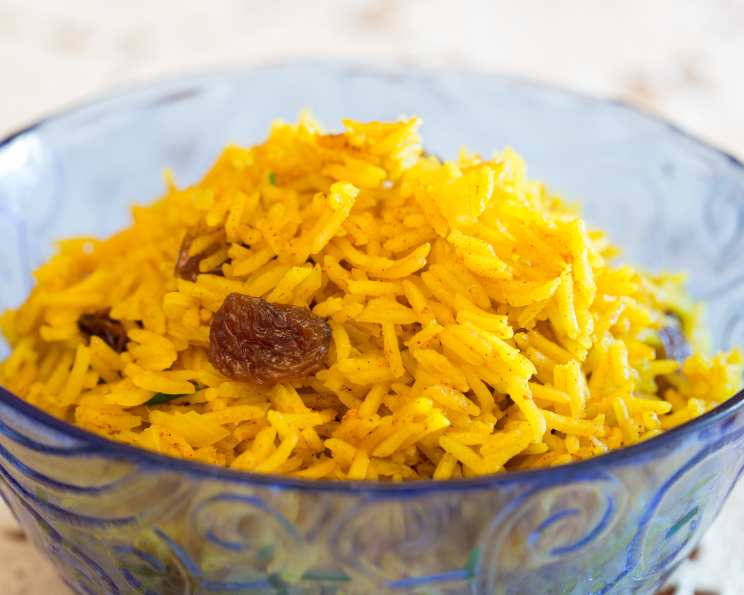
Rice Pilaf with Cinnamon and Golden Raisins: A Fragrant Symphony of Spice and Sweetness
There are certain aromas that, for me, instantly transport me back to my grandmother’s bustling kitchen, a place where laughter mingled with the sizzle of onions and the comforting scent of spices filled the air. This rice pilaf, with its warm embrace of cinnamon and the jeweled sweetness of golden raisins, is one such dish. It’s a deceptively simple recipe, yet it possesses a profound ability to elevate everyday meals into something truly special. I remember one particular evening, a chilly autumn night, when she unveiled a steaming platter of this pilaf alongside roasted chicken. The way the golden raisins plumped up, the subtle warmth of the cinnamon weaving through the fluffy basmati – it was pure magic, a testament to how humble ingredients, treated with care, can create extraordinary flavor. It’s a dish that speaks of comfort, of tradition, and of the joy found in simple, well-executed cooking.
Recipe Overview
- Prep Time: 15 minutes
- Cook Time: 30 minutes
- Total Time: 45 minutes
- Servings: 6
- Yield: Approximately 6 cups
- Dietary Type: Vegetarian adaptable (by using vegetable broth)
Ingredients
- 1 medium onion, finely chopped
- 2 teaspoons olive oil
- 1 cup basmati rice, rinsed thoroughly
- 2 cups chicken stock (or 2 cups broth)
- 1 teaspoon ground turmeric
- ½ teaspoon ground cinnamon
- ½ teaspoon salt
- ¼ cup fresh parsley, chopped
- ⅓ cup golden raisins
Equipment Needed
- A heavy-bottomed saucepan with a tight-fitting lid
- Measuring cups and spoons
- A knife and cutting board for chopping the onion and parsley
- A wooden spoon or spatula for stirring
Instructions
Embarking on the creation of this aromatic rice pilaf is a straightforward yet rewarding journey. The key lies in coaxing the flavors out of each ingredient with patience and a gentle hand.
- Begin by preparing your aromatics. In a heavy-bottomed saucepan, warm the olive oil over medium heat. You want the oil to be shimmering, but not smoking.
- Once the oil is warm, add the chopped onion and the rinsed basmati rice to the saucepan. This step is crucial for developing depth of flavor and ensuring fluffy rice. Cook, stirring constantly, until the onion becomes transparent and the rice grains begin to turn a pale, golden hue and smell slightly nutty. This constant stirring prevents the rice from sticking and encourages even browning.
- Now, it’s time to introduce the liquid and the warming spices. Stir in the chicken stock (or your chosen broth), ground turmeric, ground cinnamon, and salt. The turmeric will lend a beautiful golden color to the pilaf, while the cinnamon will weave its subtle, comforting fragrance throughout.
- Bring the mixture to a boil. Once it reaches a rolling boil, immediately reduce the heat to the lowest setting, cover the saucepan tightly with its lid, and simmer. Allow the pilaf to cook undisturbed until most of the liquid has been absorbed. This will take approximately 20 minutes. Resist the urge to lift the lid during this time, as escaping steam is essential for proper cooking.
- In the final moments of cooking, gently stir in the golden raisins. The residual heat and remaining moisture will allow them to plump up beautifully, infusing their sweet, chewy texture into the pilaf.
- Once the 20 minutes of simmering is complete and the raisins have been stirred in, remove the saucepan from the heat. Stir in the freshly chopped parsley, which will add a bright, herbaceous counterpoint to the warm spices. Cover the pilaf again with the lid and let stand, still covered, for an additional 5 minutes. This resting period allows the grains to finish steaming, ensuring a light and fluffy texture, and allows the flavors to meld beautifully.
Expert Tips & Tricks
To elevate your rice pilaf from good to truly exceptional, consider these professional insights:
- Rinsing the Rice: Don’t skip this vital step! Thoroughly rinsing basmati rice under cold running water until the water runs clear removes excess starch. This prevents the rice from becoming gummy and ensures each grain remains distinct and fluffy.
- The Browning Stage: That initial sauté of onion and rice is where much of the pilaf’s character is built. Take your time and aim for that light golden-brown hue on the rice grains. It develops a depth of flavor that simply simmering won’t achieve.
- Low and Slow Simmer: The key to perfectly cooked rice pilaf is a gentle simmer. Too high heat will scorch the bottom before the rice is cooked through, while too low might not cook it evenly. Once you’ve brought it to a boil, the lowest possible setting is your friend.
- The Power of Resting: That final 5-minute rest is non-negotiable. It’s like letting a steak rest after cooking – it allows the moisture to redistribute evenly, resulting in tender, perfectly cooked grains.
- Spice Grinding: If you have whole cinnamon sticks, toasting and grinding them fresh will yield an even more potent and complex cinnamon flavor.
Serving & Storage Suggestions
This Rice Pilaf with Cinnamon and Golden Raisins is wonderfully versatile. Serve it piping hot as a vibrant side dish alongside roasted meats like lamb or chicken, grilled fish, or even a flavorful vegetarian curry. The sweetness of the raisins and the warmth of the cinnamon provide a delightful contrast to savory main courses.
For storing leftovers, ensure the pilaf has cooled completely. Transfer it to an airtight container. It will keep well in the refrigerator for up to 3-4 days. To reheat, gently warm it in a saucepan over low heat with a tablespoon or two of water or broth to revive the moisture, or microwave it in short bursts, stirring occasionally. Avoid overcooking when reheating, as this can make the rice mushy.
Nutritional Information
| Nutrient | Amount per Serving | % Daily Value |
|---|---|---|
| Calories | 190.5 kcal | |
| Calories from Fat | ||
| Total Fat | 3.5 g | 5% |
| Saturated Fat | 0.7 g | 3% |
| Cholesterol | 2.4 mg | 0% |
| Sodium | 313.6 mg | 13% |
| Total Carbohydrate | 35.3 g | 11% |
| Dietary Fiber | 2 g | 7% |
| Sugars | 7.1 g | 28% |
| Protein | 5 g | 10% |
(Note: Nutritional values are estimates and can vary based on specific ingredients and preparation methods. Calories from Fat information was not explicitly quantified in the original data.)
Variations & Substitutions
While this recipe is a classic for a reason, feel free to experiment and make it your own:
- For a Deeper Spice Profile: Add a pinch of ground cardamom or a whisper of cloves along with the cinnamon for added complexity.
- Nutty Crunch: Incorporate ¼ cup of toasted slivered almonds or pistachios in the final stir-in stage along with the parsley for a delightful textural contrast.
- Citrus Zest: A bit of orange zest, added with the parsley, can brighten the flavors beautifully, complementing the sweetness of the raisins.
- Vegetarian/Vegan Adaptation: Simply swap the chicken stock for a good quality vegetable broth or even water for a delicious vegetarian or vegan version.
FAQs (Frequently Asked Questions)
Q: Why do I need to rinse the basmati rice?
A: Rinsing basmati rice removes excess surface starch, which prevents the grains from clumping together and becoming gummy, ensuring a fluffy pilaf.
Q: Can I use a different type of rice?
A: While basmati is ideal for its long, slender grains and delicate aroma, you could try other long-grain white rice varieties. However, cooking times and water ratios may need adjustment.
Q: My pilaf seems a little dry, what can I do?
A: If your pilaf is too dry after the initial simmer, it likely needed a touch more liquid or a slightly longer cooking time. For future batches, ensure your lid is tightly sealed to trap steam.
Q: How can I make this pilaf ahead of time?
A: You can prepare the pilaf up to the point of adding the parsley. Let it cool completely, then store it in an airtight container in the refrigerator. Reheat gently on the stovetop or in the microwave, adding a splash of liquid if needed. Stir in the parsley just before serving.
Q: Are golden raisins essential? Can I use regular raisins?
A: Golden raisins offer a slightly milder, brighter sweetness and a more appealing chew compared to regular dark raisins. While you can use dark raisins, they will impart a deeper color and a more intense raisin flavor.
Final Thoughts
This Rice Pilaf with Cinnamon and Golden Raisins is more than just a side dish; it’s an experience. It’s the embodiment of simple pleasures, a dish that whispers of comfort and warmth with every fragrant spoonful. I encourage you to bring this recipe into your kitchen, to let its inviting aroma fill your home, and to savor the harmonious blend of sweet, savory, and spice. It’s a perfect companion to so many meals, but don’t hesitate to simply enjoy it on its own, perhaps with a dollop of cool yogurt or a sprinkle of fresh herbs. I’d love to hear how you make it your own!