
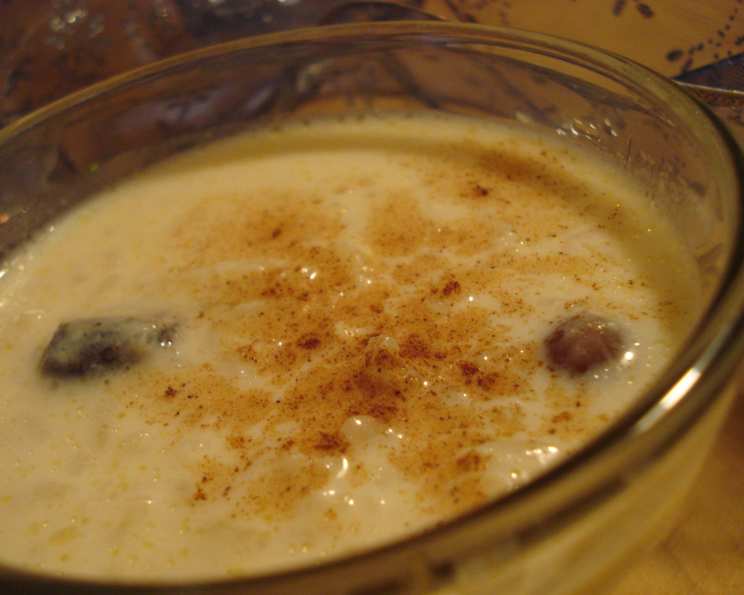
The Comforting Embrace of Rice Pudding: A Journey Back to Childhood
There are certain aromas that instantly transport me back to my childhood kitchen, and the gentle simmer of rice pudding is undeniably one of them. I remember my mother, a whirlwind of domestic grace, often making a batch on chilly afternoons. The scent of warm milk, sweet sugar, and the subtle earthiness of rice would fill our home, a fragrant promise of simple, unadulterated comfort. It wasn’t just a dessert; it was a hug in a bowl, a soothing balm for scraped knees and classroom woes. This recipe, a cherished hand-me-down from a dear friend who navigated the delightful chaos of raising triplets, holds a special place in my heart, a testament to enduring flavors and the power of homemade goodness. Even now, years later, when a loved one needs a touch of nostalgic warmth, this humble rice pudding is my go-to.
Recipe Overview
- Prep Time: 10 minutes
- Cook Time: 35-45 minutes
- Total Time: 45-55 minutes (plus cooling time)
- Servings: 6
- Yield: Approximately 6 cups
- Dietary Type: Vegetarian
Ingredients
- 6 cups milk
- 1/2 cup raw rice (short grain rice is particularly well-suited for its creamy texture)
- 1/2 cup sugar
- 2 tablespoons margarine
- 1/2 cup raisins
- 1 tablespoon vanilla extract
Equipment Needed
- A large, heavy-bottomed saucepan or pot
- A whisk or wooden spoon for stirring
- A lid for the saucepan
- Serving bowls
Instructions
This method for making rice pudding from raw rice is wonderfully straightforward, relying on patience and gentle heat to transform simple ingredients into a luscious dessert.
- Begin by combining the milk, raw rice, sugar, and margarine in your chosen heavy-bottomed saucepan. A heavy bottom is crucial here to help distribute heat evenly and prevent the rice from scorching.
- Place the saucepan over medium heat. Stir the ingredients together well until the margarine has melted and the sugar has begun to dissolve.
- Bring the mixture to a gentle boil, stirring occasionally to ensure nothing sticks to the bottom of the pot.
- Once it reaches a boil, reduce the heat to low. Cover the saucepan with a lid.
- Allow the pudding to simmer gently for 35 to 45 minutes. It’s essential to stir occasionally throughout this simmering period. This stirring is vital for several reasons: it prevents the rice from clumping, ensures even cooking, and helps create that characteristic creamy texture by releasing the starches from the rice. You’ll notice the mixture gradually thickening.
- After simmering, the pudding should have a slightly soupy consistency; this is perfectly normal and indicates it’s ready for the final touches. Remove the saucepan from the heat.
- Stir in the vanilla extract and raisins. The residual heat will gently plump the raisins and infuse the pudding with the fragrant vanilla.
- Cover the saucepan again and allow the rice pudding to cool. This cooling period is important for the pudding to reach its final, ideal texture. As it cools, it will continue to thicken.
Expert Tips & Tricks
Crafting the perfect rice pudding is an art form that benefits from a few subtle techniques. For an even creamier result, consider using whole milk. The higher fat content contributes to a richer, more luxurious mouthfeel. If you find that your pudding is thickening too quickly during the simmer, or if you prefer a looser consistency, you can always add a splash more milk towards the end of the cooking time. When stirring, make sure to scrape the bottom of the pot thoroughly to dislodge any rice that might be settling. Don’t be tempted to rush the simmering process; slow and steady heat is the key to tender, perfectly cooked rice that dissolves into the creamy base.
Serving & Storage Suggestions
This rice pudding is wonderfully versatile in how it can be served. It’s absolutely delicious served warm, straight from the pot after cooling slightly. For a more traditional presentation, allow it to cool completely and serve it chilled. A light dusting of cinnamon is a classic and highly recommended topping that adds a beautiful aroma and a hint of spice that complements the sweetness perfectly. You can also get creative with other toppings like a dollop of fresh whipped cream, a scattering of toasted nuts, or even a drizzle of fruit compote.
Leftovers can be stored in an airtight container in the refrigerator for up to 3 days. The pudding will thicken considerably as it chills. To reheat, gently warm it on the stovetop over low heat, stirring frequently and adding a splash of milk if it has become too firm. Alternatively, you can microwave it in short intervals, stirring between each, until warmed through.
Nutritional Information
While exact nutritional values can vary based on specific ingredients and brands used, here is an estimated breakdown per serving:
| Nutrient | Amount per Serving | % Daily Value |
|---|---|---|
| Calories | 355.3 kcal | N/A |
| Total Fat | 12.9 g | 19% |
| Saturated Fat | 6.2 g | 31% |
| Cholesterol | 34.2 mg | 11% |
| Sodium | 165.6 mg | 6% |
| Total Carbohydrate | 50.8 g | 16% |
| Dietary Fiber | 0.7 g | 2% |
| Sugars | 24.1 g | 96% |
| Protein | 9.5 g | 18% |
(Note: Nutritional information is an estimate and can vary.)
Variations & Substitutions
The beauty of rice pudding lies in its adaptability. For a richer, more decadent experience, you can substitute some of the milk with heavy cream or half-and-half. If you’re looking for a dairy-free option, full-fat coconut milk or oat milk can be excellent substitutes for the milk, though they will impart their own unique flavors. The margarine can be replaced with butter for a richer taste. For those who love a hint of chocolate, stir in semi-sweet chocolate chips after removing the pudding from the heat – the residual warmth will melt them into a luscious chocolate swirl.
FAQs
Q: Can I use a different type of rice, like long-grain rice?
A: While short-grain rice is recommended for its superior starch release and creamy texture, long-grain rice can be used, but it may result in a less creamy pudding and the rice grains will remain more distinct.
Q: Why is my rice pudding still soupy after cooking?
A: Rice pudding continues to thicken as it cools. If it remains excessively soupy after cooling, it indicates it may need a bit more simmering time, or you can try gently reducing it uncovered over low heat for a few extra minutes.
Q: My rice pudding is sticking to the bottom of the pot. What did I do wrong?
A: This often happens if the heat is too high or if the pudding isn’t stirred frequently enough. Using a heavy-bottomed pot and stirring often, especially scraping the bottom, is crucial to prevent sticking.
Q: Can I make rice pudding ahead of time?
A: Yes, rice pudding is an excellent make-ahead dessert. It needs to be cooled completely before storing it in the refrigerator.
Q: Is it okay to skip the raisins?
A: Absolutely! Raisins are a traditional addition, but they are entirely optional. You can omit them or replace them with other dried fruits like cranberries or chopped apricots if you prefer.
A Spoonful of Nostalgia
This rice pudding is more than just a recipe; it’s an invitation to pause, to savor a moment of quiet comfort, and to reconnect with the simple joys of home. It’s a dish that spans generations, a culinary embrace that feels both familiar and utterly delightful. So, gather your ingredients, embrace the gentle simmer, and let the comforting aroma fill your kitchen. Serve it warm or chilled, perhaps with a sprinkle of cinnamon, and share it with loved ones. I promise, each spoonful will be a taste of pure, unadulterated bliss, a sweet reminder that sometimes, the most profound comfort can be found in the simplest of dishes.